African Research and Innovation Partners Synergize to Accelerate Agricultural Knowledge Scaling

African Research and Innovation Partners Synergize to Accelerate Agricultural Knowledge Scaling

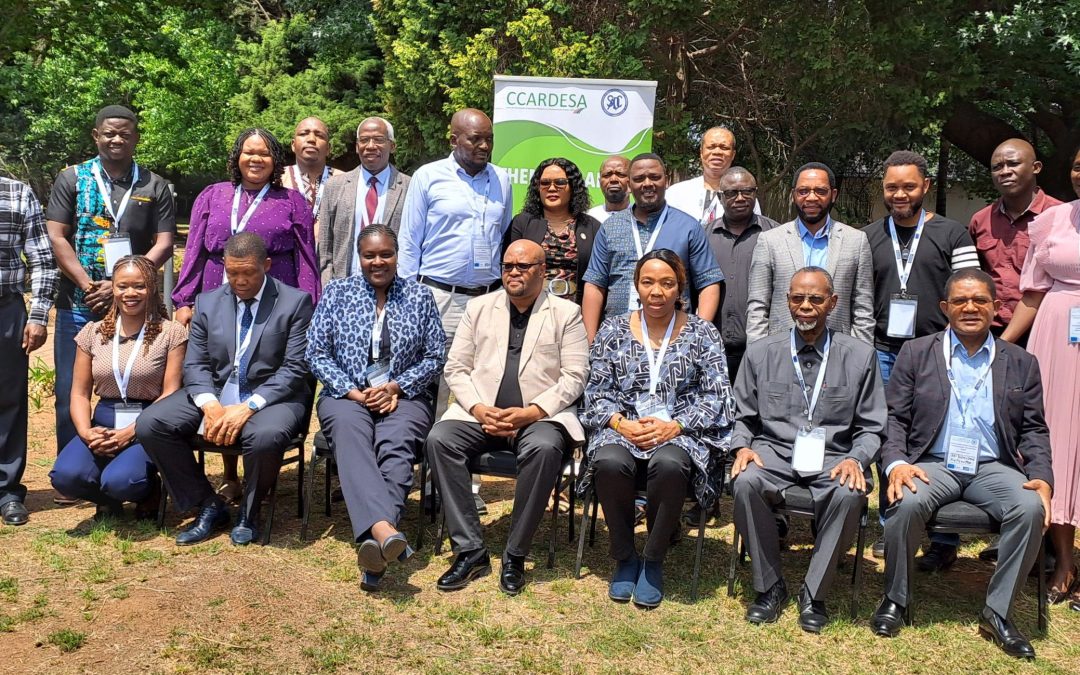
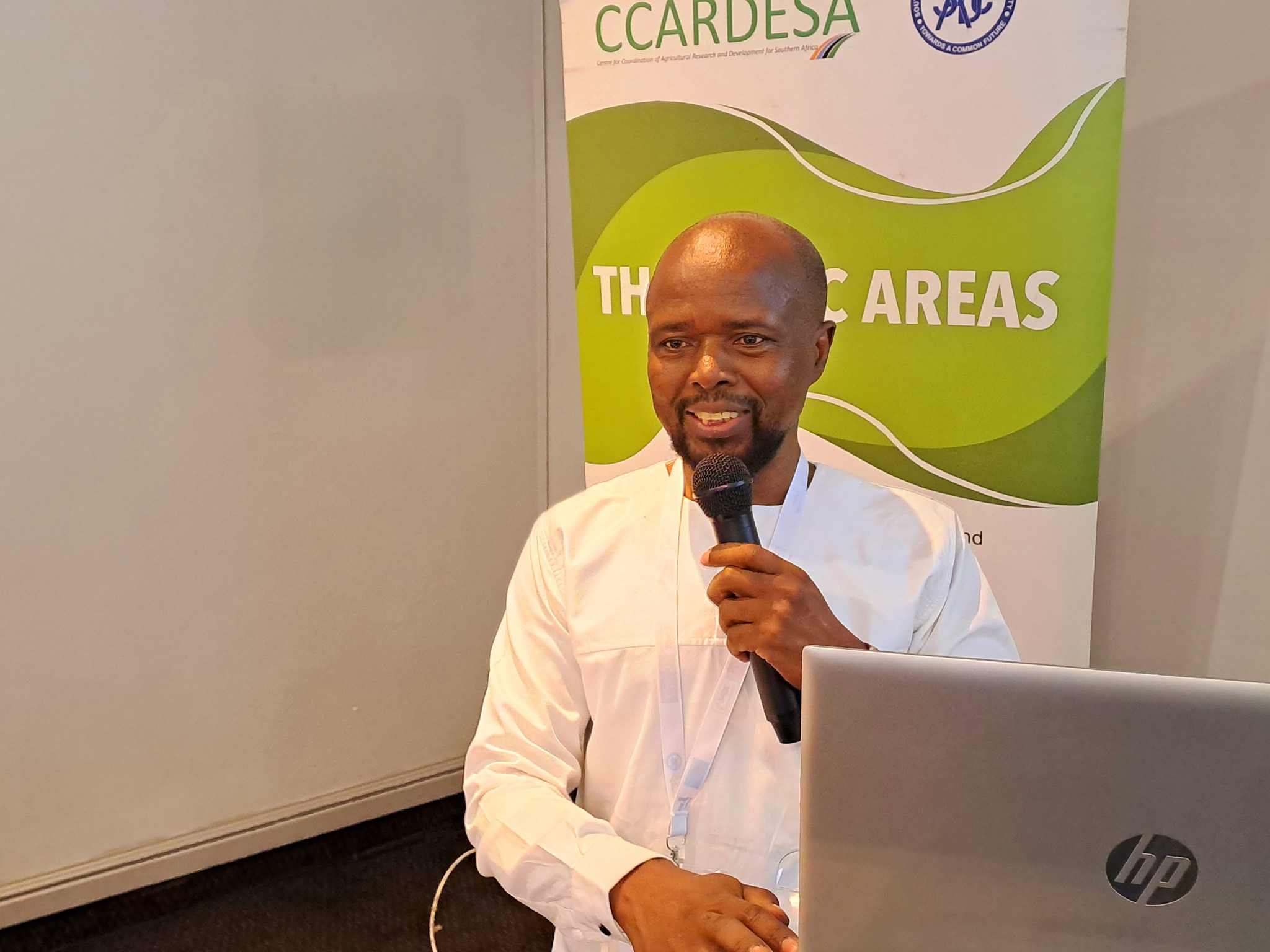
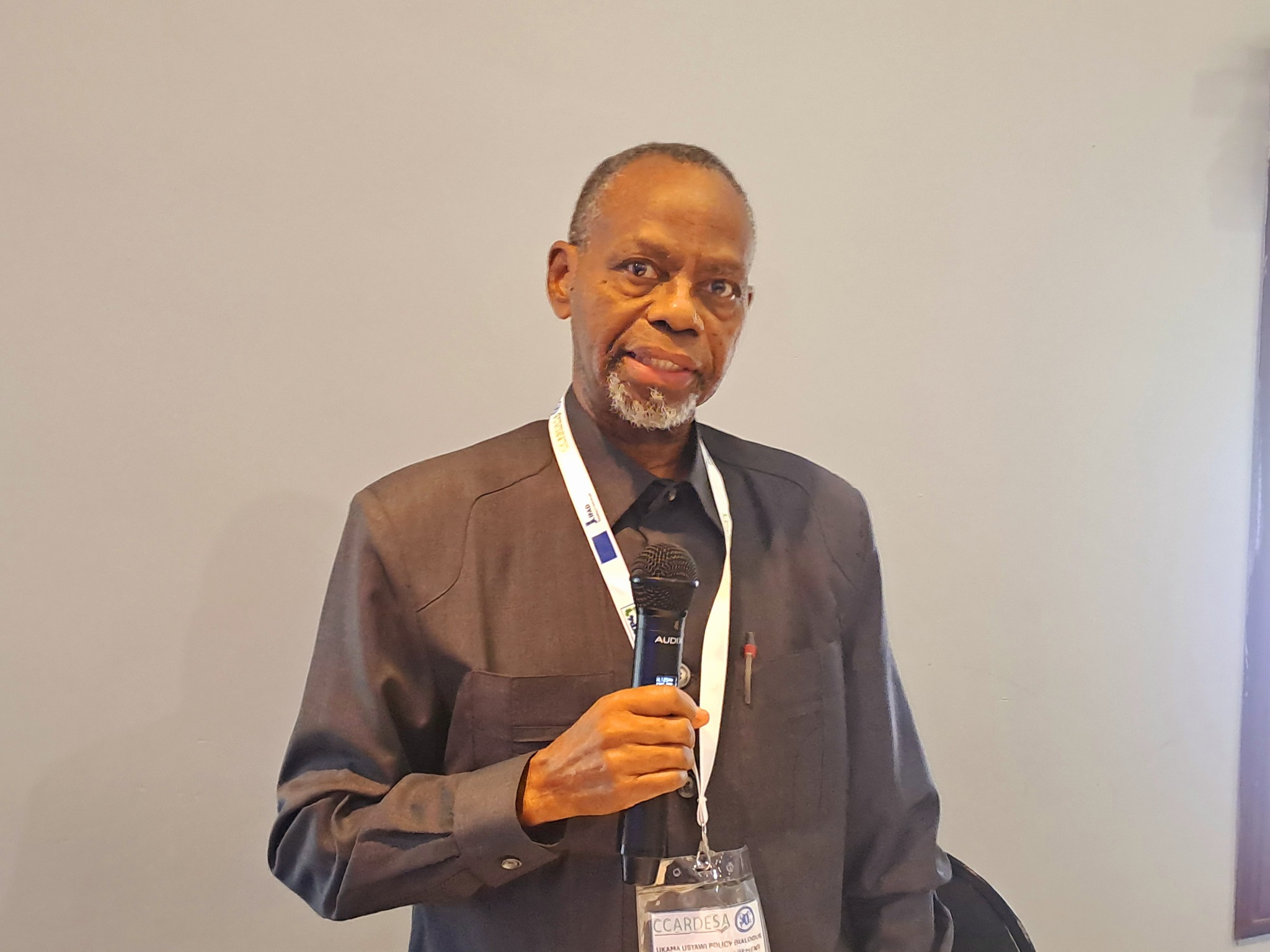
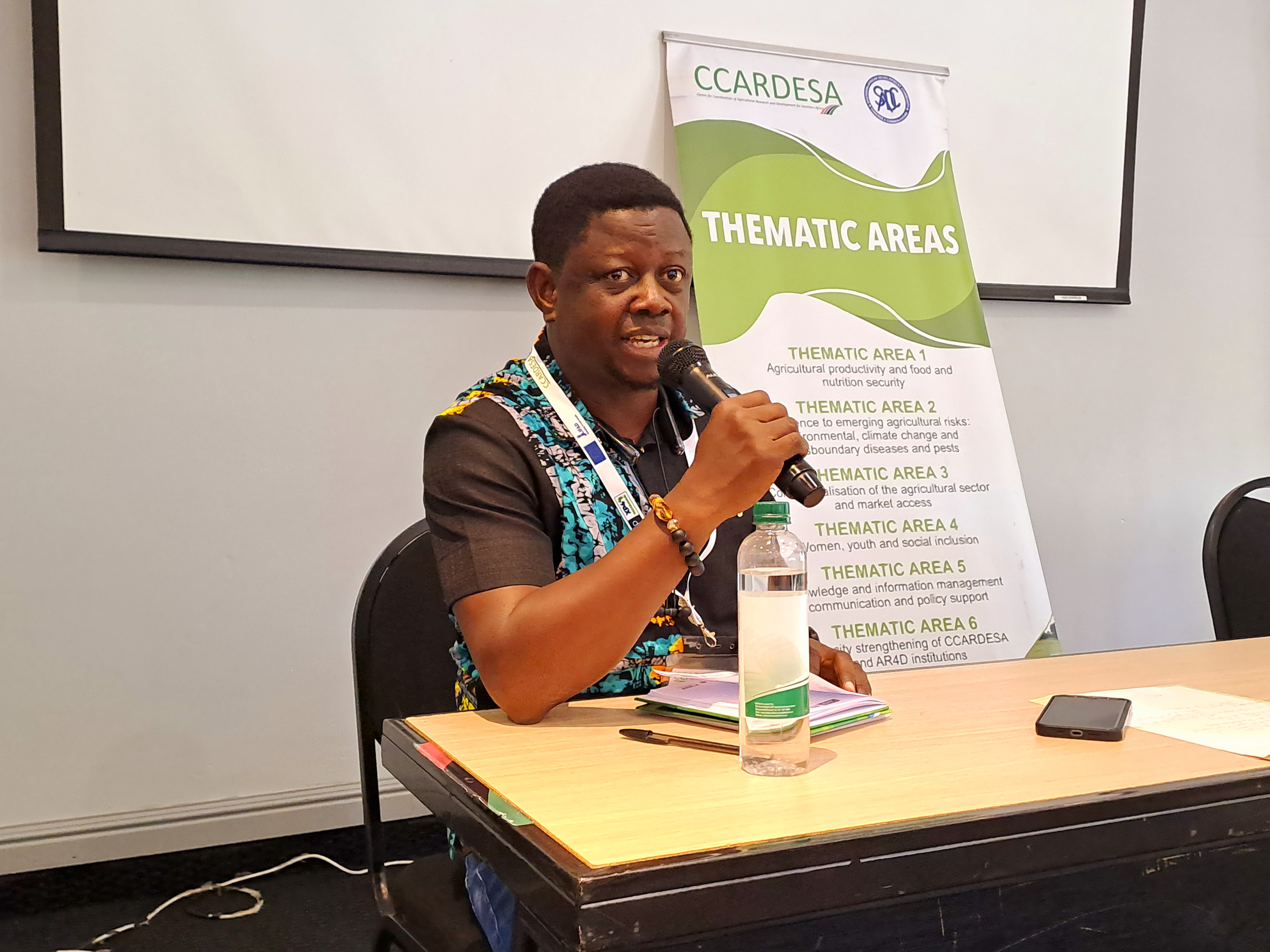
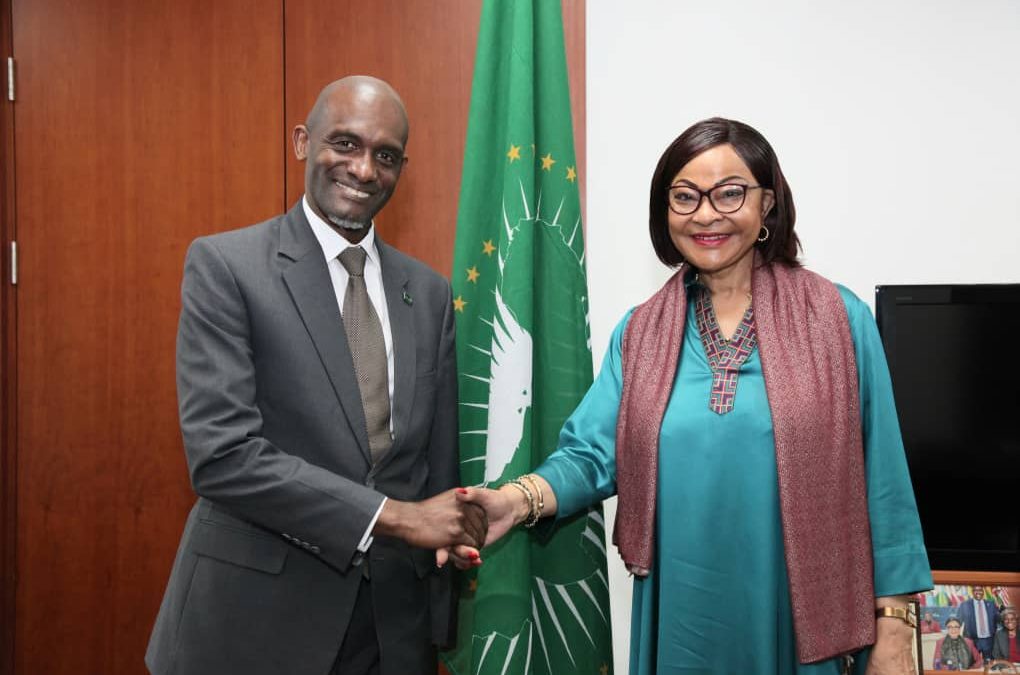
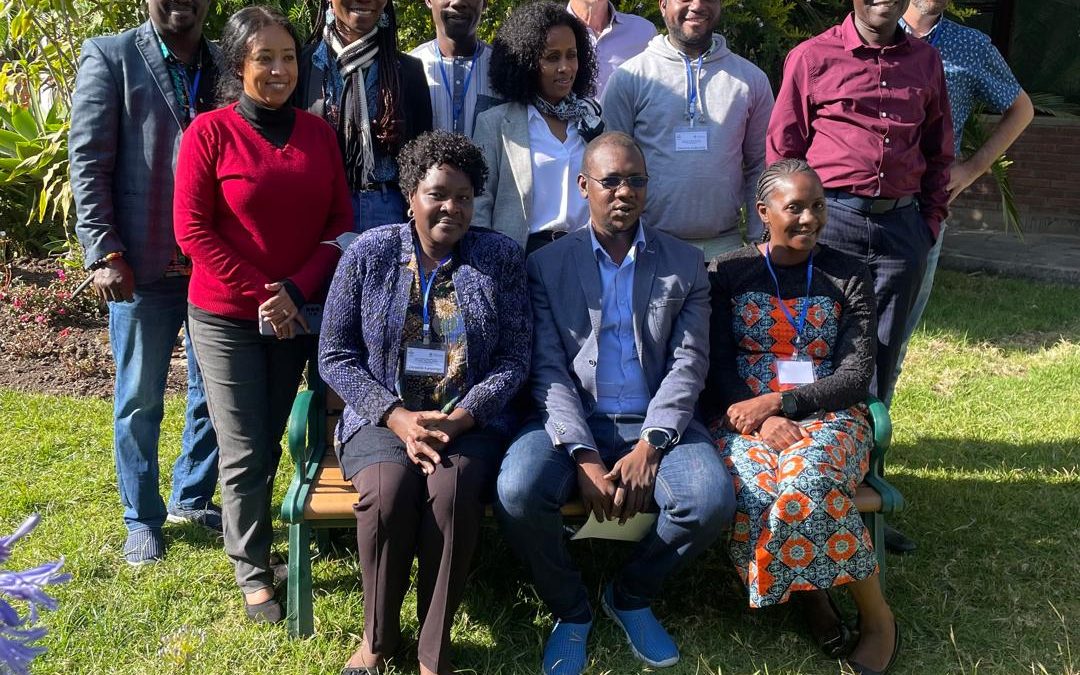
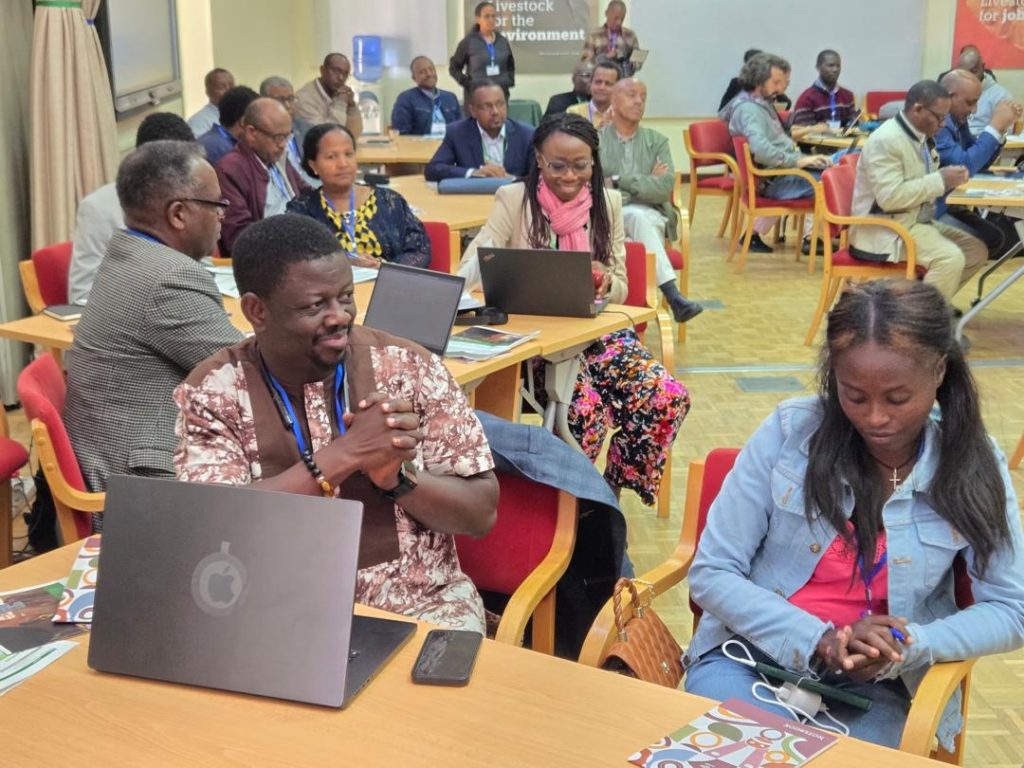
Addis Ababa, Ethiopia — December 13, 2024 — The CGIAR and CAADP-XP4 Partners successfully concluded the “Second Workshop to Operationalize the African Agricultural DSpace Repository” at the ILRI Campus in Addis Ababa, Ethiopia. This three-day event, held from December 11 to 13, brought together Knowledge Management Officers, IT and web developers from CAADP-XP4 Partners (FARA, CCARDESA, AFAAS, CORAF, and ASARECA) alongside CGIAR experts led by the International Livestock Research Institute (ILRI). The workshop reinforced partnerships and took concrete steps toward advancing the African Agricultural Research Information and Innovation Space (AARIISpace).

Key Achievements of the Workshop
The workshop provided an invaluable opportunity to:

  • Take Stock of Collaborative Progress: Participants reviewed achievements and challenges in implementing the Knowledge Management Partnership Framework signed during the AASW8 in Durban.
  • Build Capacity and Share Lessons: The sessions drew on ILRI’s decade-long experience with CGSpace, enabling the integration of Indigenous knowledge, metadata standardization, and AI-driven insights into AARIISpace.
  • Develop Technical Configurations: We discussed common vocabularies and functionalities for the AARIISpace platform, laying the groundwork for operational efficiency.
  • Set Clear Actions: A timeline to configure, launch, and roll out AARIISpace by mid-2025 was agreed upon, ensuring widespread accessibility among regional and national partners.

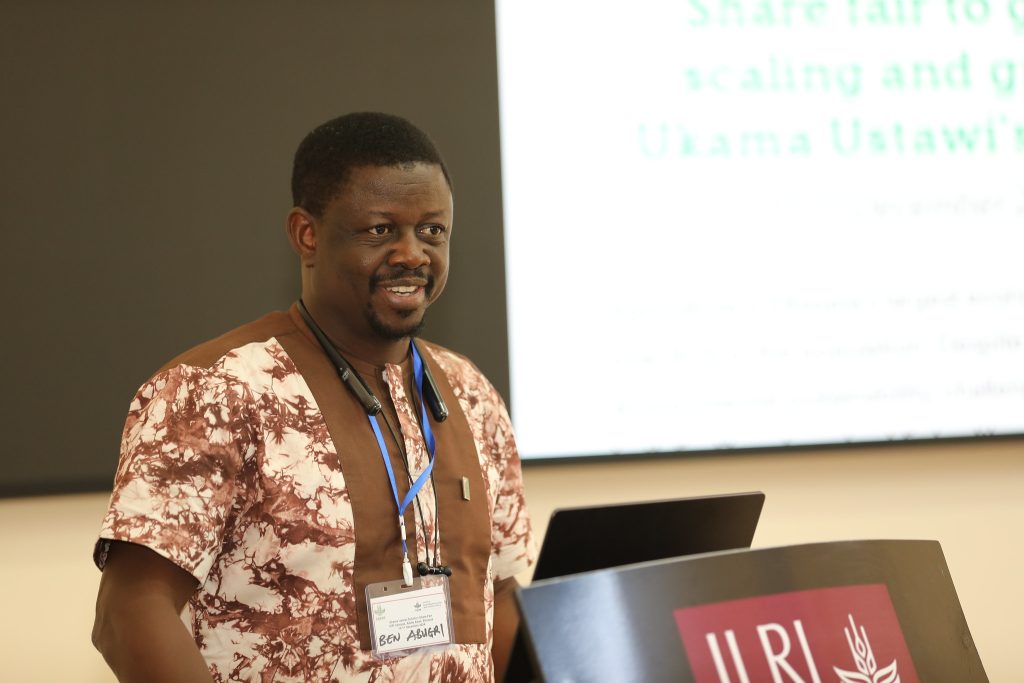
Speaking at the event, Michael Victor, Head of Communications, Advocacy and Knowledge Management at ILRI, and Benjamin Abugri, Knowledge Management, Digitalization and Learning Lead Specialist, speaking on behalf of the partnership, noted, “This workshop underscores our shared commitment to transforming agricultural research and innovation through knowledge management. AARIISpace will be a cornerstone of this effort, ensuring inclusive, sustainable, and scalable impact.”
Strengthening Partnerships and Knowledge Sharing
The collaborative spirit of the workshop was evidenced by the following achievements over the past three years:

  • Active participation in KM4AgD Challenges and conferences, resulting in over 21 certified Knowledge Management practitioners.
  • Engagement in strategic policy dialogues and workshops, including the GESI workshop in Malawi and KM sessions in Johannesburg.
  • Collaborative hosting of knowledge-sharing fairs in Zimbabwe and Ethiopia, showcasing innovative practices and research outputs.
  • Policy validation exercises with regional partners, ensuring alignment with stakeholder needs.

Looking Ahead: Revewed Areas of Collaboration
The workshop concluded with a shared commitment to:

  • Strengthen partnerships under the existing MOU, extending collaboration through 2025.
  • Publish the inaugural Africa Knowledge Management Report in 2025.
  • Expand the KM4AgD Communities of Practice through targeted activities.
  • Promote subsidiarity principles, fostering national-level knowledge management policies and strategies.
  • Jointly develop funding proposal and host a global Knowledge Management Share Fair focused on KM4AgD and AI in Africa.
Appreciation and Call to Action
CGIAR and CAADP-XP4 Partners expressed gratitude to all participants for their dedication and contributions. As AARIISpace moves toward full implementation, the partnership calls for the joint mobilization of financial and human resources to ensure the platform’s success.

For media inquiries, please contact:

Benjamin Abugri – KM, Digitalization and Learning Cluster Leader, FARA – [email protected]

Michael Victor – Communications, Advocacy and KM Lead, CGIAR-ILRI – [email protected]

About CGIAR:
CGIAR (Consultative Group on International Agricultural Research) is a global research partnership for a food-secure future, dedicated to reducing poverty, enhancing food and nutrition security, and improving natural resources and ecosystem services. The CGIAR is made of fifteen (15) Institutes with ILRI coordinating KM in this partnership.

About CAADP-XP4:
The Comprehensive Africa Agriculture Development Programme ex-Pillar 4 (CAADP-XP4) Institutions support African agricultural research and innovation systems in delivering sustainable solutions for improved productivity, resilience, and livelihoods across the continent. It is made of Forum for Agricultural Research in Africa (FARA), the African Forum For Agricultural Advisory Services (AFAAS), Centre for Coordination of Agricultural Research and Development for Southern Africa (CCARDESA), West and Central African Council for Agricultural Research and Development (CORAF) and Association for Strengthening Agricultural Research in Eastern and Central Africa (ASARECA)
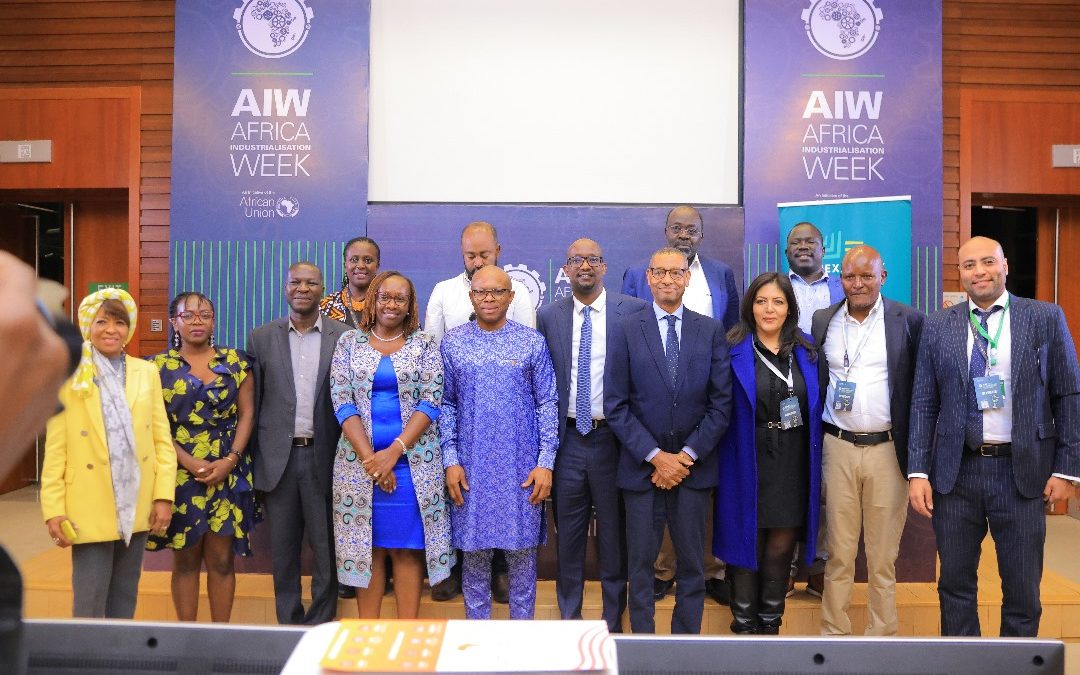
CAAPs Side Event Highlights Agro-Industrialization at Africa Industrialization Week 2024

CAAPs Side Event Highlights Agro-Industrialization at Africa Industrialization Week 2024

Addis Ababa, Ethiopia – December 11, 2024

On the margins of Africa Industrialization Week 2024, a landmark side event titled “Scaling Africa’s Agro-Industrialization through the Common African Agro-Parks (CAAPs): What Role for Green Investments?” brought together high-profile stakeholders to discuss Africa’s agro-industrialization agenda and the transformative role of green investments.

Organized by Afreximbank with the support of the Forum for Agricultural Research in Africa (FARA), the event underscored the strategic importance of the CAAPs initiative in advancing sustainable agro-industrial development. The initiative, closely aligned with Agenda 2063 and the African Continental Free Trade Area (AfCFTA), focuses on establishing agro-parks to enhance value addition, foster regional integration, and promote environmental sustainability.


Mr. Anselme Vodounhessi, Coordinator of CAAPs at FARA,

The event opened with remarks from Mr. Christian Ndikumagenge, a representative of Afreximbank, who emphasized the institution’s commitment to leveraging green financing for industrial growth across Africa. Mr. Anselme Vodounhessi, Coordinator of CAAPs at FARA, followed with an introduction to the initiative, highlighting its transformative potential in addressing food security, job creation, and economic resilience while integrating technologies and circular economy approaches to maximize resource efficiency.

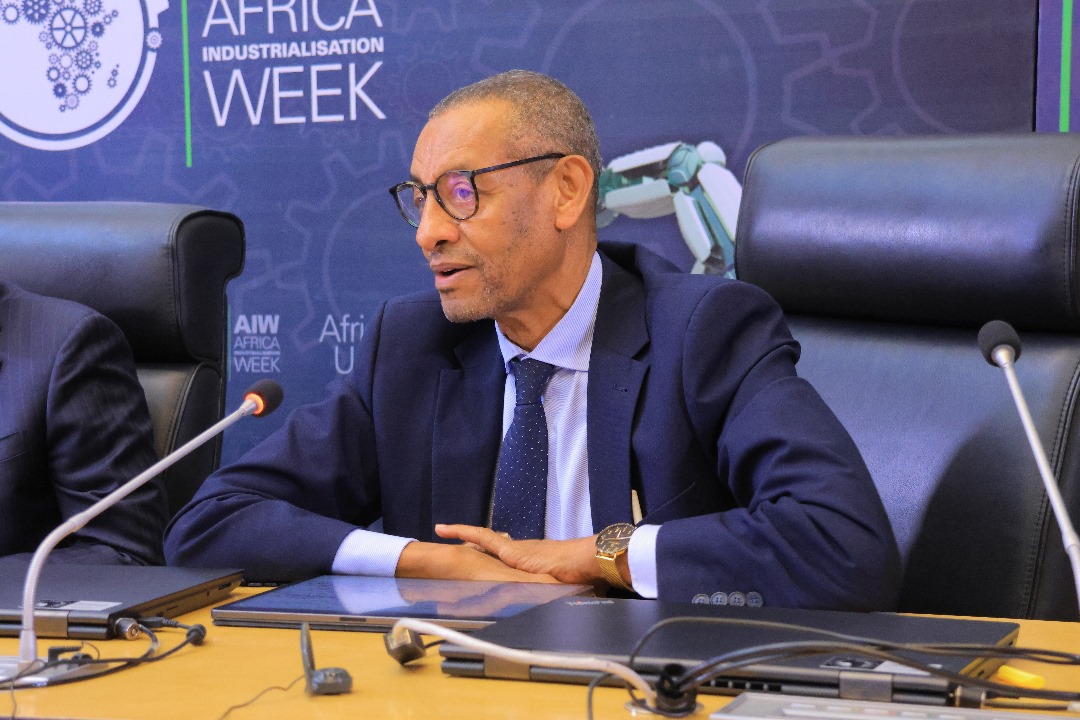
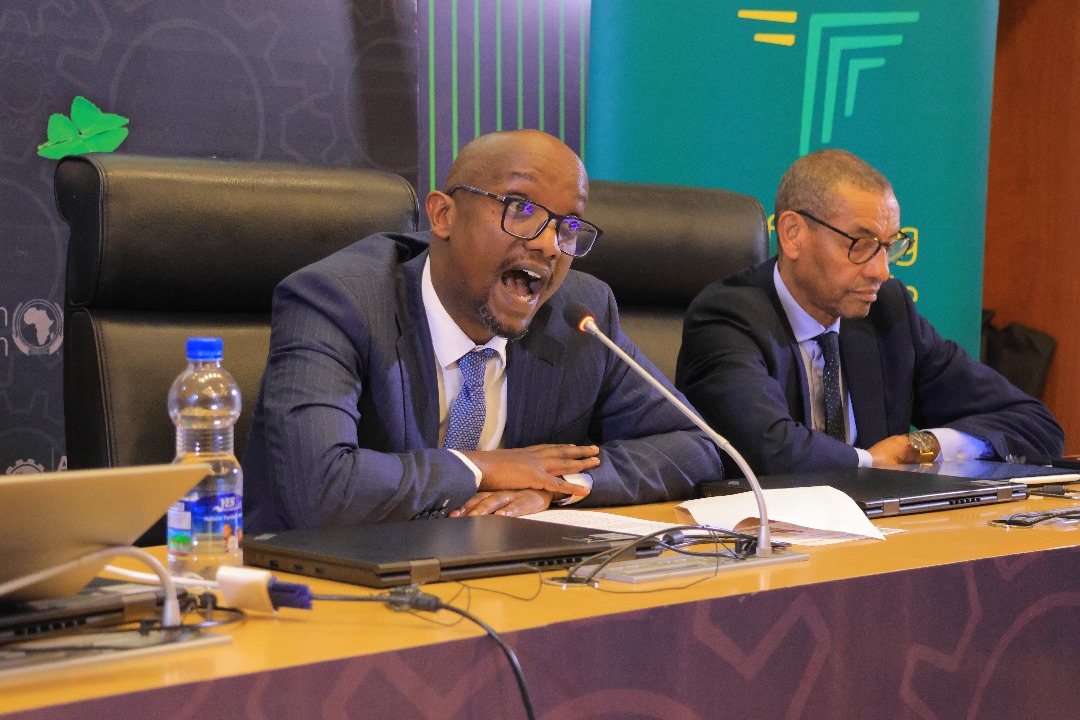
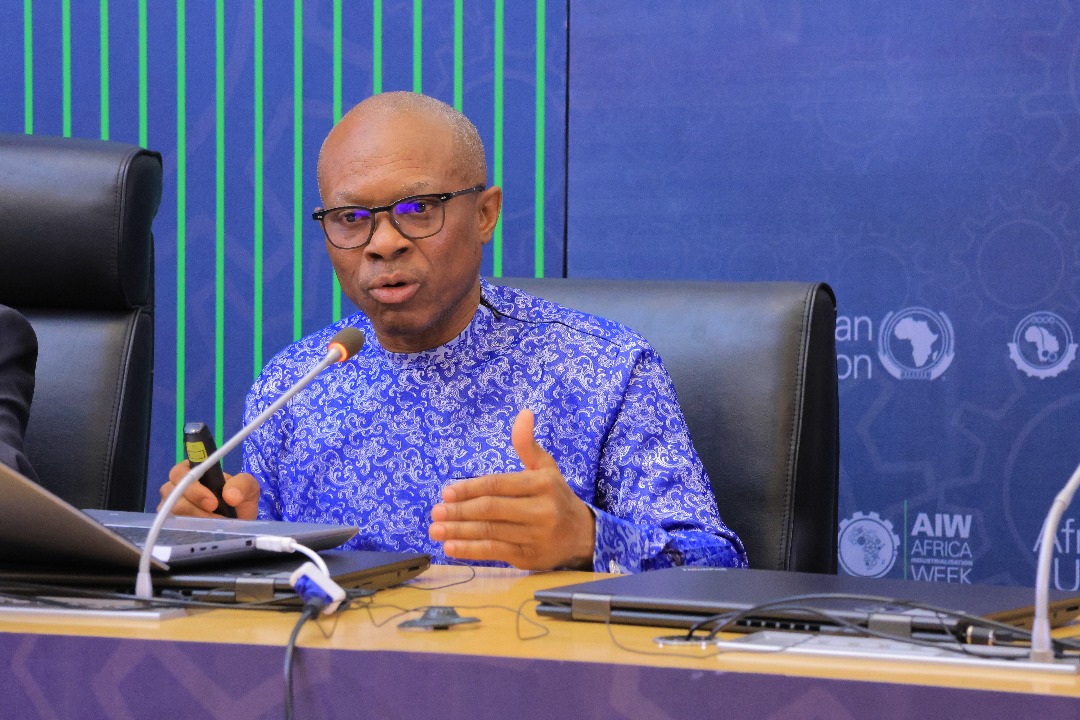
Dr. Dejene Tezera, Director of the Department of Agri-Business at UNIDO

A dynamic panel discussion featured Dr. Dejene Tezera, Director of the Department of Agri-Business at UNIDO, alongside other distinguished experts. The panel explored innovative green financing mechanisms such as blended finance, green bonds, and sustainability bonds. Discussions also emphasized the critical role of policy alignment, technology integration, and public-private partnerships in operationalizing CAAPs zones effectively while leveraging green financing instruments to ensure long-term sustainability.

The event concluded with a compelling call to action, urging stakeholders to prioritize investment in agro-industrial zones, starting with the flagship Zambia-Zimbabwe and Côte d’Ivoire-Ghana corridors. Participants reaffirmed the potential of CAAPs to transform Africa’s agricultural sector into a globally competitive and sustainable economic driver, addressing critical challenges such as food security, unemployment, and environmental degradation.

For more information, please contact:

Anselme Vodounhessi – [email protected]

Benjamin Abugri – FARA – [email protected]

AU’s CAAPs Initiative Drives Cocoa Industry Transformation in Côte d’Ivoire and Ghana

AU’s CAAPs Initiative Drives Cocoa Industry Transformation in Côte d’Ivoire and Ghana

By Benjamin Abugri

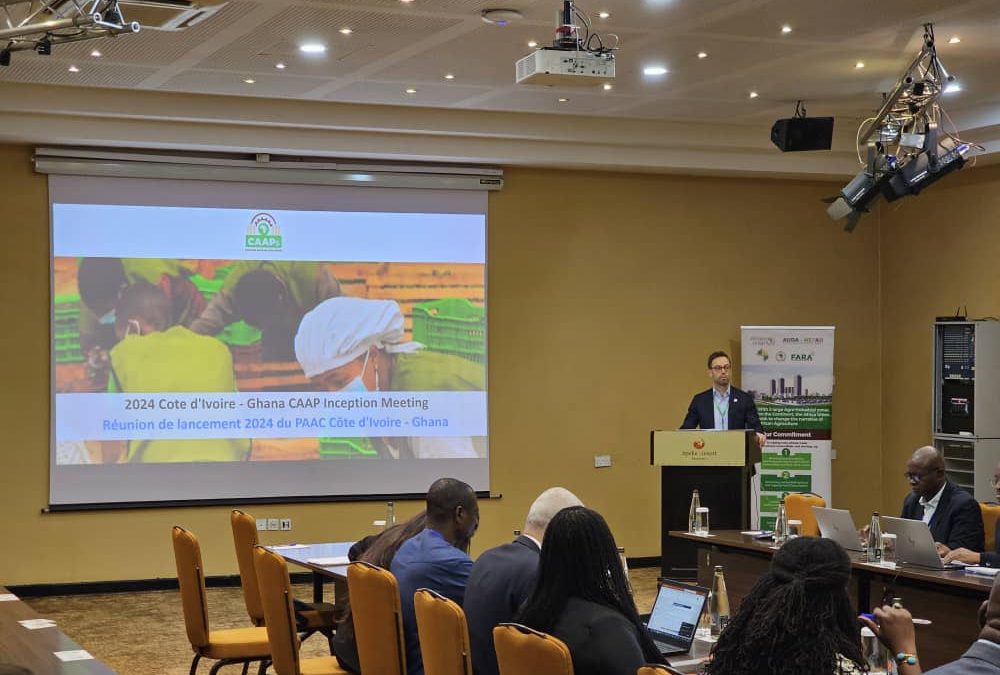
Kampala, Uganda – 11 November 2024: The African Union (AU) has launched the Côte d’Ivoire-Ghana Cocoa Common African Agro-Park (CIG CAAP) under its Agenda 2063, in a bold and strategic initiative aimed at transforming Africa’s cocoa industry. Senior representatives from Côte d’Ivoire, Ghana, the AU, and other key stakeholders convened in Kampala to inaugurate this collaborative milestone, designed to tackle pressing challenges and optimise opportunities in Africa’s cocoa sector through an innovative agro-industrial framework.

Dr. Dejene Tezera of FAO

The CIG CAAP is part of the broader Common African Agro-Parks (CAAPs) initiative, a flagship AU program envisioned to reshape Africa’s agricultural landscape by establishing integrated agro-industrial hubs throughout the continent. As two of the world’s top cocoa producers, Côte d’Ivoire and Ghana jointly supply nearly 60% of the global cocoa market (World Cocoa Foundation). This partnership aims to strengthen both nations by shifting their focus towards value-added production, enhancing competitive market positioning, and promoting sustainable practices while driving forward the AU’s objectives of regional industrialisation and self-sufficiency.

Dr Janet Edeme, Head of the AU’s Rural Development Division, described the CIG Cocoa CAAP as “a powerful statement of our determination to convert Africa’s natural wealth into value-added products that elevate our economies, empower our youth, and transform our societies.”

The Forum for Agricultural Research in Africa (FARA) is actively supporting the initiative through a dedicated and specialised research agenda targeting ten specific areas of study. FARA will engage leading academic and cocoa research institutions across Africa to recruit PhD candidates focused on advancing critical studies in cocoa production and processing, thereby fostering the next generation of African scientists. This focus reinforces FARA’s commitment to the long-term sustainability and competitiveness of the cocoa sector.

The AU, FARA, Afreximbank, and AfCFTA have united efforts to support the CIG CAAP through substantial investments in research, technical guidance, and innovative financing models. Anselme Vodounhessi, CAAPs Coordinator at FARA, emphasised the project’s commitment to a circular economy by repurposing cocoa byproducts such as husks and shells into environmentally friendly products like fertilisers, animal feed, and biofuels, setting new standards for sustainable industrial practices across Africa.

The meeting included a dedicated session on finalising the Terms of Reference (ToR) for the Pre-feasibility Study and Regional Value Chain Study, two pivotal steps in establishing the CIG CAAP. Under the guidance of UNIDO, with technical support from UNECA, IFPRI, and FAO, the ToR will enable detailed project planning, strategic resource mobilisation, and robust stakeholder engagement, paving the way for regional economic growth.

Paul Ntim of the Ghana Cocoa Board

The Côte d’Ivoire-Ghana Cocoa Initiative (CIGCI) and representatives from both countries endorsed the CIG CAAP, recognising it as a transformative strategy to address their shared strengths, weaknesses, opportunities, and threats (SWOT) in the cocoa sector. Despite challenges like price volatility and limited local processing capabilities, Côte d’Ivoire and Ghana are leveraging this partnership to promote local value addition, enhance sustainability, and build resilience against global market fluctuations.

Leading experts emphasised collaborative efforts towards a sustainable, value-oriented cocoa industry, working in coordination with AU, AUDA-NEPAD, AfCFTA, FARA, FAO, and other significant partners to develop a Common African Agro-Parks Cocoa Industrial Zone. Technical experts, including Paul Ntim from the Ghana Cocoa Board, Whatami Vamoussa Coulibaly from Côte d’Ivoire’s Le Conseil du Café-Cacao, and Tawiah Agyarko-Kwarteng, CIGCI Technical Manager, emphasised the importance of cooperative efforts in achieving a sustainable and value-driven cocoa sector.

Lisbon Tropical Summit Highlights Agroecology as a Pathway for Climate Adaptation and Mitigation

Lisbon Tropical Summit Highlights Agroecology as a Pathway for Climate Adaptation and Mitigation

Lisbon, November 6, 2024

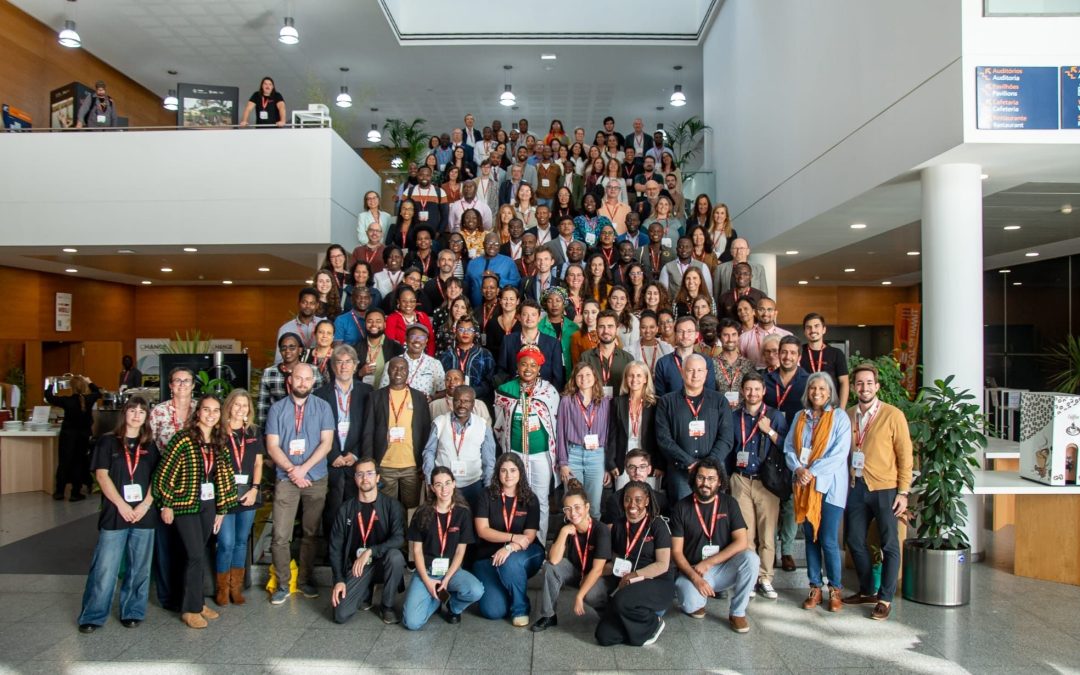
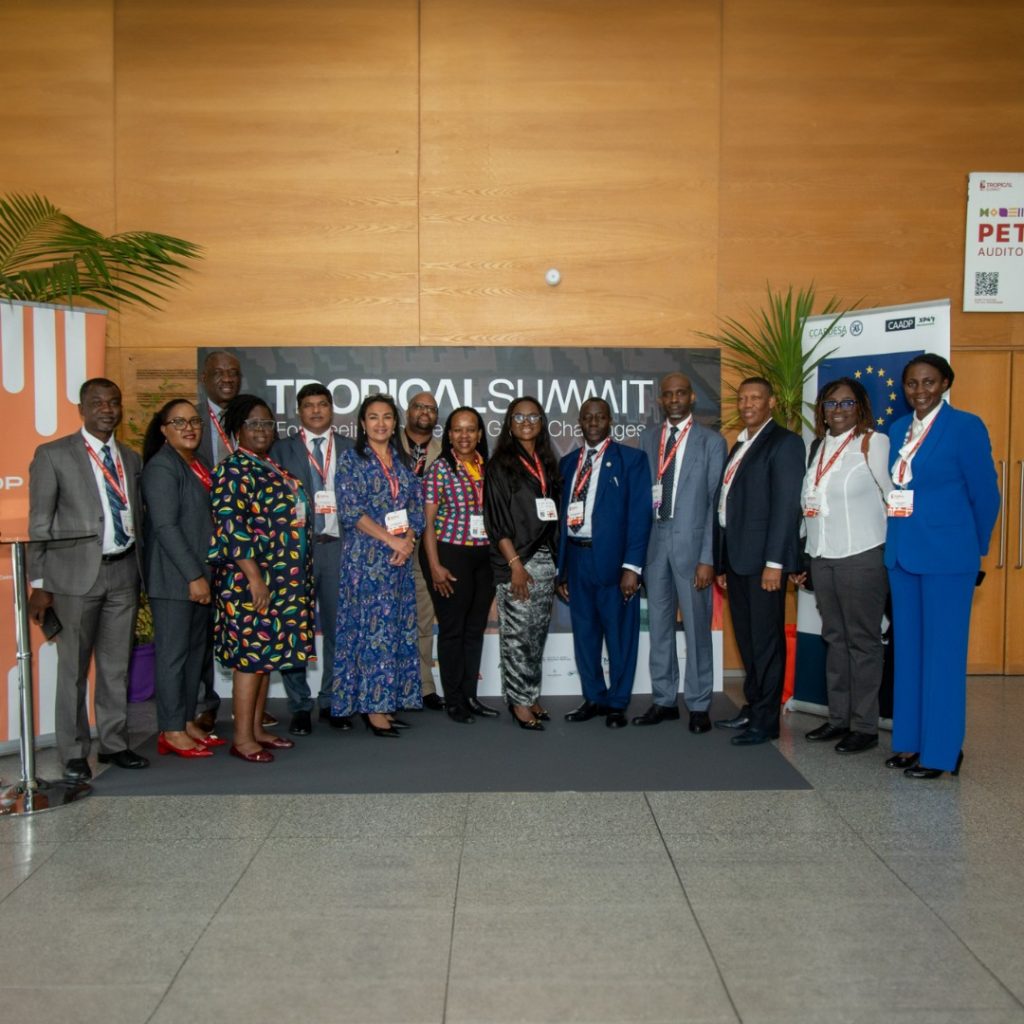
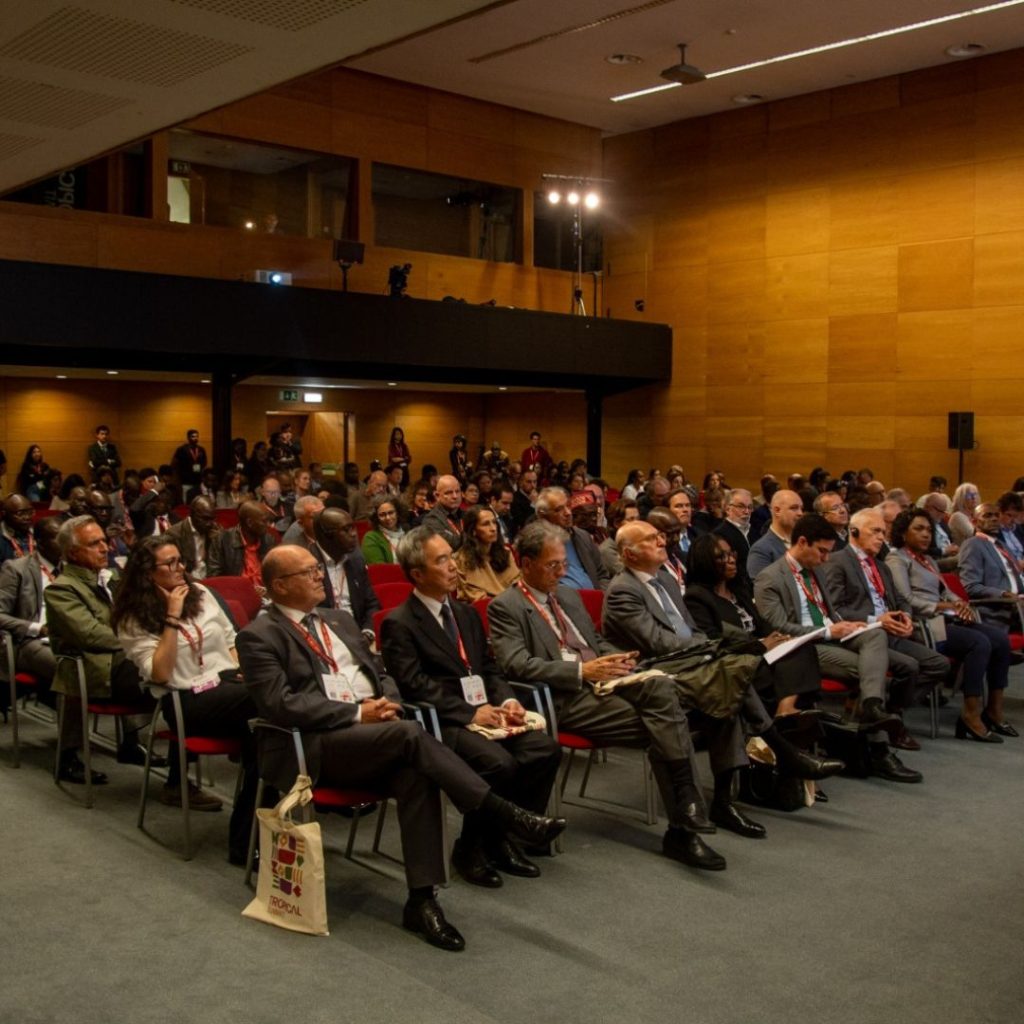
Building on the momentum of earlier discussions, the Forum for Agricultural Research in Africa (FARA), in collaboration with CORAF, CCARDESA, RUFORUM, JRC-ISPRA, AE-TPP, and IFAD, held a follow-up session on the theme “Reflections on Agroecology as a Pathway to Climate Adaptation and Mitigation” during the ongoing Tropical Summit. Held in a hybrid format, the session brought together high-level stakeholders, including FARA Board Chair Ms. Bongiwe Njobe, Prof. Majaliwa Majalolo of RUFORUM, with expert panelists Alex Awiti (CIFOR-ICRAF), Felix Rembold (EC-JRC), Khamis Fathiya (ICiPE), and Irene Kadzere-Forichi (FiBL). The session was moderated by David Amudavi of Biovision Africa Trust.

Lisbon Tropical Summit Highlights Agroecology as a Pathway for Climate Adaptation and Mitigation

In his opening remarks, Prof. Majalolo recognized agroecology’s potential in strengthening the resilience of African food systems amid escalating climate challenges. However, he also highlighted resource limitations and the lack of consensus on agroecology’s comparative advantages over conventional agriculture. According to Majalolo, achieving a food system transformation will require a coalition of diverse stakeholders and a focus on educating future agronomists to adopt agroecological principles.

The expert panellists, each with vast experience in agroecology, delved into several critical issues facing agroecological practice in Africa. Key topics included:

  • Challenges in Agroecological Research and Practice: The panellists discussed the difficulties of balancing the interests of policymakers, researchers, and farmers, adapting research and policies to specific local contexts, and the lack of subsidies or compensation for farmers engaged in agroecological practices that support climate change mitigation.


  • Technological Advances in Agroecology: Panelists emphasized moving beyond outdated input-driven models and promoting a focus on the socio-ecological aspects of agroecology. They stressed the need to empower farmers to play a central role in transforming agroecosystems and highlighted the multi-functional benefits of agroecology.


  • Need for Communication and Dissemination: The session underscored the importance of effectively communicating agroecology’s principles and successes to key stakeholders, including policymakers, farmers, and consumers, to foster broader understanding and support for agroecological practices.

Closing the session, Baitsi Podisi of CCARDESA emphasized the importance of engaging all key players in implementing agroecology. He urged greater collective action to address the varied needs of these stakeholders, ensuring a more integrated and effective approach to agroecological transitions.

Lisbon Tropical Summit Highlights Agroecology as a Pathway for Climate Adaptation and Mitigation

FARA and its partners expressed gratitude to all participants and panellists for their valuable contributions to the session, which marked another step forward in defining agroecology’s role in climate adaptation and food system resilience across Africa.

Institutionalizing Knowledge Management in Organisations

Institutionalizing Knowledge Management in Organisations

November 04, 2024

By Happy Mulolani

Enhancing Knowledge Management in institutions requires enforcing a national policy aimed at influencing knowledge sharing and serving as a repository of knowledge among stakeholders, key players, and the public.  On 25th October 2024, the Centre for Coordination of Agricultural Research and Development for Southern Africa (CCARDESA) and the International Water Management Institute (IWMI), in partnership with the Association for Strengthening Agricultural Research in Eastern and Central Africa (ASARECA), held a Knowledge Management Policy Dialogue at Birchwood Hotel in Johannesburg, South Africa, through the Ukama Ustawi Initiative

The IWMI-led Ukama Ustawi (UU) Initiative is a four-year project worth approximately USD 40 million that promotes diversification for resilient agribusiness ecosystems in East and Southern Africa (ESA). The initiative is set to end in 2024 and targets 12 countries in this region: Eswatini, Ethiopia, Kenya, Tanzania, Malawi, Mozambique, Madagascar, Rwanda, Uganda, South Africa, Zambia, and Zimbabwe. The main goal of the UU Initiative is to address food and nutrition security risks in the region, which stem from an overreliance on maize monoculture. The initiative instead promotes a climate-resilient, water-secure, and socially inclusive approach aimed at helping smallholders diversify and de-risk agri-food systems based on maize in the targeted countries. 

The Knowledge Management Policy Dialogue brought together various agriculturalists, researchers, and knowledge management experts to deliberate on strategies for enhancing knowledge management visibility in East and Southern Africa. The event, held in Johannesburg, South Africa, was organised by the Centre for Coordination of Agricultural Research and Development for Southern Africa (CCARDESA) and the International Water Management Institute (IWMI), with financial support of the CAADP XP4 Programme through the International Fund for Agricultural Development (IFAD).

The meeting’s objectives were to create pathways for policymakers to adopt knowledge-management recommendations to improve regional agricultural resilience and food security. Participants discussed developing actionable recommendations to improve knowledge management practices and their integration into policy frameworks. The meeting also aimed to promote collaboration among institutions and explore potential ways to institutionalize knowledge management strategies within agricultural practices.

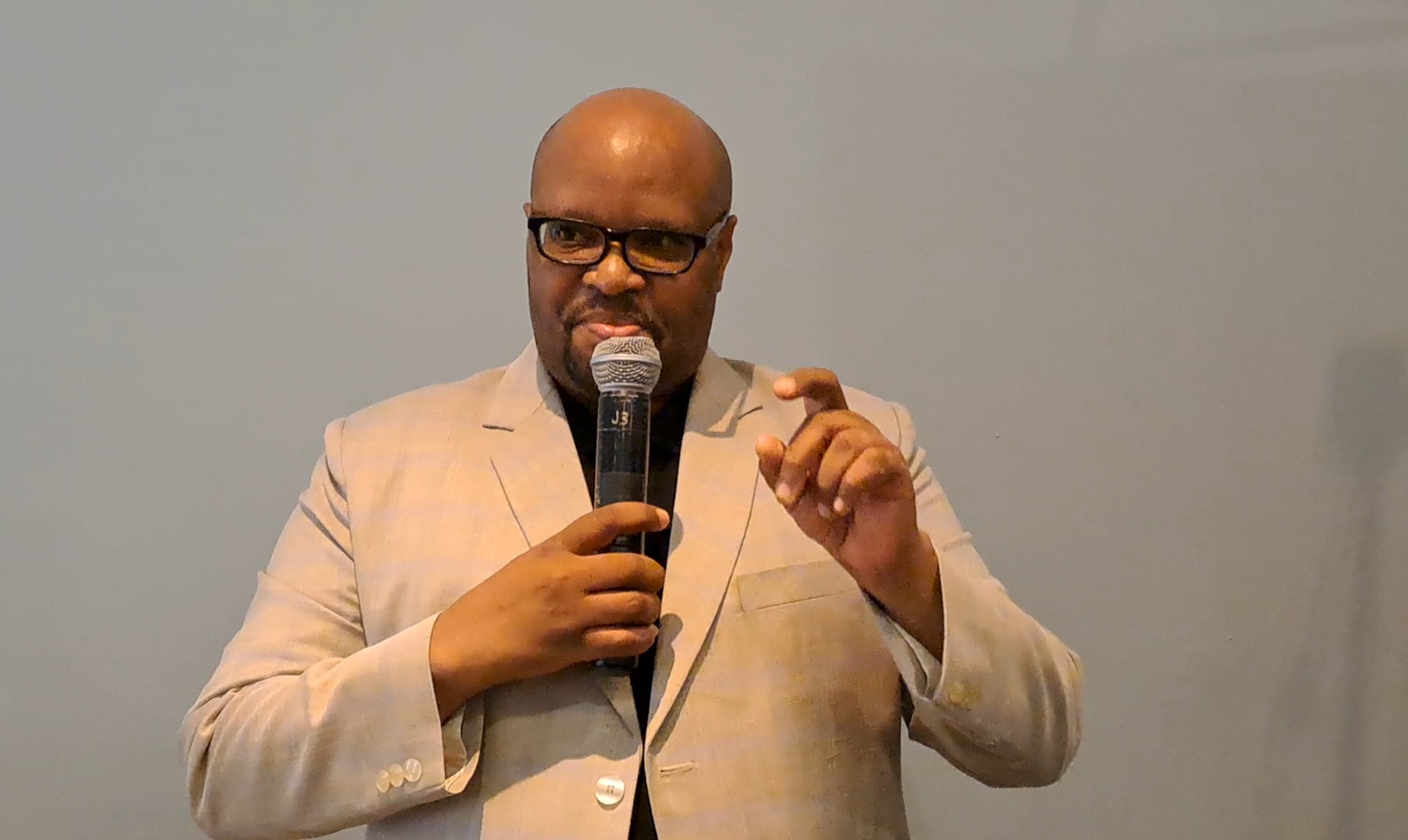
In his official opening remarks, CCARDESA’s Executive Director, Cliff Dlamini, stressed the necessity of assigning roles to bring about policy shifts in agricultural policy and emphasized the importance of generating and managing knowledge as key program outputs.

Professor Dlamini stated that knowledge management is essential for advancing East and Southern Africa’s program goals focused on food resilience and inclusivity. He noted that this can only happen if adequate support for knowledge management is secured.

“Knowledge is power; it can be preserved and be valuable to policymakers. Today’s dialogue is an opportunity to engage in knowledge management efforts,” stressed Professor Dlamini.

Institutionalizing of Knowledge Management In Organisation

Prof. Cliff Dlamini, Executive Director, CCARDESA

He called for more investment in organizational structures to achieve knowledge management goals. “Significant resources must be allocated to ensure visibility,” Professor Dlamini added.

He argued that while substantial knowledge has been generated to transform the agriculture sector, its dissemination to smallholder farmers needs to be more structured and supported.

This calls for a concerted effort to prioritise knowledge management, recognising its role as an institutional memory for future reference.

Professor Dlamini suggested that organisations should prioritise knowledge management roles at senior levels to increase their impact.

“We need strategic positions in knowledge management to amplify the voice of farmers and facilitate knowledge translation,” he said.

Consultant Hannock Kumwenda of Ukama Ustawi’s Learning Alliance, a knowledge-sharing network facilitated through IWMI’s partnership, presented findings from a scoping study. The research findings revealed how knowledge management could be elevated within policy frameworks.

Dr. Kumwenda highlighted the financial challenges, noting that funding for relevant institutions often relies on external sources.

Institutionalizing of Knowledge Management In Organisation

Dr. Hannock Kumwenda, Consultant, Ukama Ustawi

“Financial resources are limited. Each partner funds their activities as long as benefits are clear. This calls for building on existing resources and exploring lead partnerships for effective management,” he explained.

Dr. Kumwenda emphasised that alliances gain strength when they leverage diverse strengths such as knowledge management and monitoring and evaluation—even though dedicated staff may not always be available for these functions.

Regional partner institutions are generally better equipped than national systems. For instance, some use mobile applications that improve visibility. National systems, on the other hand, tend to rely on Facebook and other accessible social media platforms. This situation highlights the need for adequate resources to maintain and update technologies.

Dr. Kumwenda noted that the gap between research and dissemination efforts in national systems continues to widen. Often, pilot projects rely on packages, and uptake slows when projects end. Investing in dissemination centres and in outreach to semi-literate farmers could help bridge this gap.

Knowledge exchange among regional bodies appears more effective, suggesting that more resources should be allocated to foster collaboration.

Dr. Kumwenda also raised the issue of effective learning alliances, explaining that what currently exists is often limited to sharing alliances of existing knowledge.

“Learning Alliances should be focused on building partnerships linked to data hubs and best practices. Models that have been tested and proven functional should be replicated,” Dr. Kumwenda said.

Professor Kingo Mchombu from the International University of Management of Namibia pointed out that a national policy is essential to influence and institutionalize knowledge management and that high-level buy-in is critical.

Institutionalizing of Knowledge Management In Organisation

Professor Kingo Mchombu, International University of Management (IUM), Namibia

Professor Mchombu, a Knowledge Management Expert, cited Namibia as a case where concerted efforts led to the development of a national policy on knowledge management, recently submitted to the Office of the Prime Minister.

“The national policy was reviewed by parliamentarians, who participated in the process and contributed feedback before it was finalized for submission to the Prime Minister’s office,” he confirmed.

Once approved, knowledge management will gain significant recognition and be more easily institutionalised. This Namibian approach serves as a model worth replicating elsewhere.

Ultimately, member countries could benefit from developing national policies to strengthen their positions in knowledge management.

During the panel discussion on “Leveraging Tools for Knowledge Management and Policy Influence in Eastern and Southern Africa Region and Africa as a whole,” Mr. Benjamin Abugri, Knowledge Management, Digitalization, and learning Lead Specialist at FARA, emphasised that Knowledge Management is a vital tool for sustainable development, central to donor-funded initiatives, as agencies increasingly require KM strategies. He intimated that the success of KM depends on tools that enable effective sharing of both tacit and explicit knowledge through either open or restricted access. Therefore, these tools must align with local contexts, integrating Indigenous and traditional knowledge, particularly in Africa, where ignoring this can lead to missed opportunities. He concluded that the continuous evaluation of KM tools is also crucial, ensuring they add value, remain relevant, are timely (considering advancements like AI), and are interoperable.

Institutionalizing of Knowledge Management In Organisation

Mr. Benjamin Abugri, Knowledge Management, Digitalization & Learning Lead Specialist, FARA


The Author is the Principal Agricultural Information Officer for the National Agricultural Information Services (NAIS).

source: CCARDESA

AU Appoints FARA to Lead Soil Health and Fertilizer Initiative for Africa’s Transformation

AU Appoints FARA to Lead Soil Health and Fertilizer Initiative for Africa’s Transformation

Harare, Zimbabwe, October 31st, 2024

The African Union Commission, under the dynamic leadership of H.E. Ambassador Josefa Sacko, has appointed the Forum for Agricultural Research in Africa (FARA) as the official Secretariat for the Soil Initiative for Africa (SIA) and the Africa Fertilizer and Soil Health Action Plan (AFSH-AP). This landmark appointment, announced at the high-level 20th CAADP Partnership Platform (CAADP-PP) meeting in Harare, Zimbabwe, represents a significant advancement toward sustainable soil health and fertilizer solutions across Africa.

African Union Commission Appoints FARA as Secretariat for Soil Health and Fertilizer Initiative

H.E Amb. Josefa Sacko, AUC-DARBE Commissioner

Ambassador Sacko’s visionary leadership and commitment to agricultural transformation through partnerships and strategic coordination are highlighted by this appointment. In her opening remarks, she called for a unified approach among African organizations, emphasizing that the success of the AFSH-AP and SIA depends on collaboration, not competition. She underscored the necessity of collective commitment to achieve the objectives of the 2024 Presidential Declaration on Africa Fertilizer and Soil Health, which sets forth an ambitious ten-year plan to address Africa’s soil and fertilizer challenges.

Ambassador Sacko’s endorsement of the SIA coordination framework—crafted by a dedicated technical working group—establishes a comprehensive structure for regional and national implementation. This framework assigns FARA as the Secretariat, supported by the African Union Development Agency (AUDA-NEPAD) as the lead coordinating entity and Regional Economic Communities (RECs) and Sub-Regional Organizations (SROs) as regional facilitators through designated hubs. This coalition, organized around five thematic areas, will provide focused support at the continental, regional, and national levels to ensure effective implementation of AFSH-AP objectives.

In a powerful keynote, Prof. Richard Mkandawire emphasized the importance of “Coordination, Cooperation, Capacity, and African Leadership” in advancing AFSH-AP. Zimbabwe’s Deputy Minister of Lands, Agriculture, Fisheries, Water, and Rural Development, Hon. Vangelis Haritatos, reaffirmed Zimbabwe’s commitment to agricultural productivity and soil health, announcing new government investments, including funds to revitalize the Africa Center for Fertilizer Development (ACFD) in Harare, a key step in bolstering Africa’s fertilizer production capacity.

African Union Commission Appoints FARA as Secretariat for Soil Health and Fertilizer Initiative

Section of Panelists from the ‘How Not to Implement the AFSH-AP: Learning from Experience’ Panel discussion

A “fireside chat” session, titled “How Not to Implement the AFSH-AP: Learning from Experience,” shed light on critical insights for the successful execution of Africa’s soil health agenda. Panelists, including Deputy Minister Odd Arnesen, Mr. Noel Ujeneza, and Madam Bongiwe Njobe, stressed the urgency of action-oriented leadership, highlighting the need to reduce bureaucracy as other continents advance. They advocated for greater private sector involvement, an enhanced Africa Fertilizer Financing Mechanism (AFFM-II), and a blend of mineral and organic fertilizers to strengthen Africa’s agricultural resilience.

African Union Commission Appoints FARA as Secretariat for Soil Health and Fertilizer Initiative

The appointment of FARA as the SIA Secretariat is a pivotal moment, inspiring stakeholders to unite under this visionary framework to achieve the ambitious goals of the Soil Initiative for Africa and AFSH-AP. Guided by Ambassador Sacko’s leadership, Africa is poised for a transformative journey toward sustainable agricultural development, unity, and a shared commitment to a food-secure future.