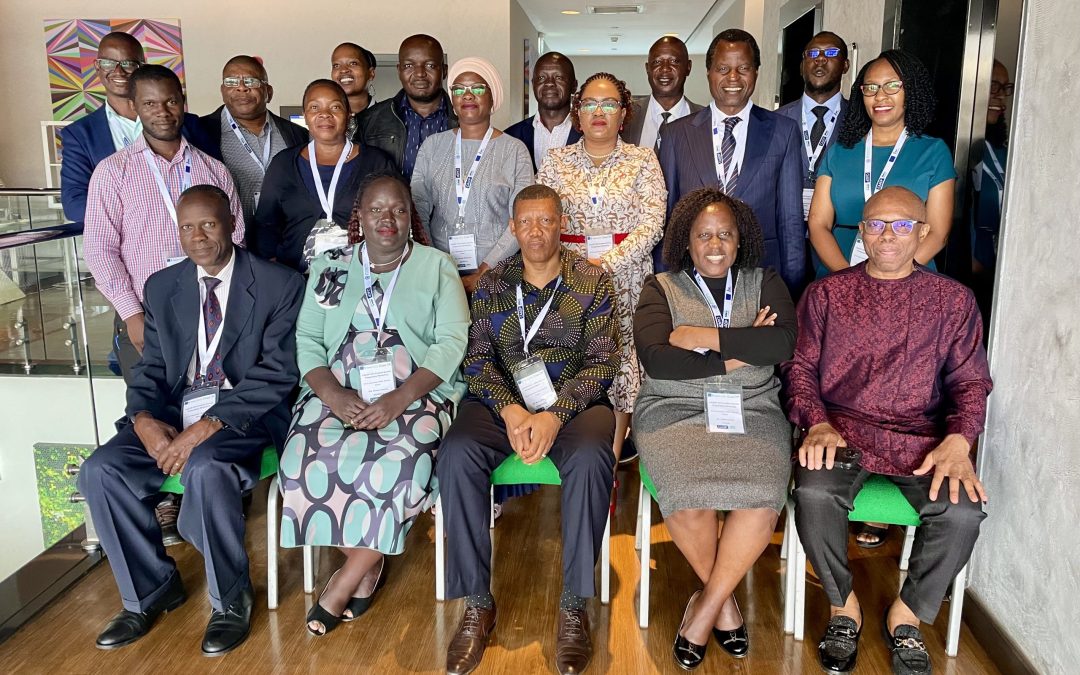
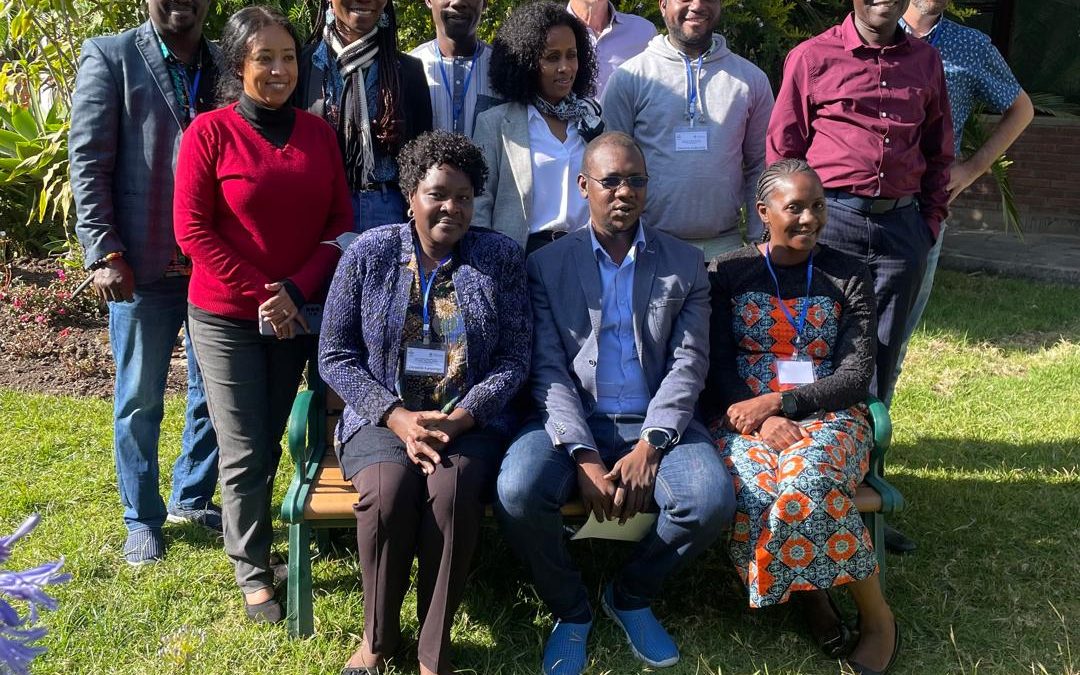
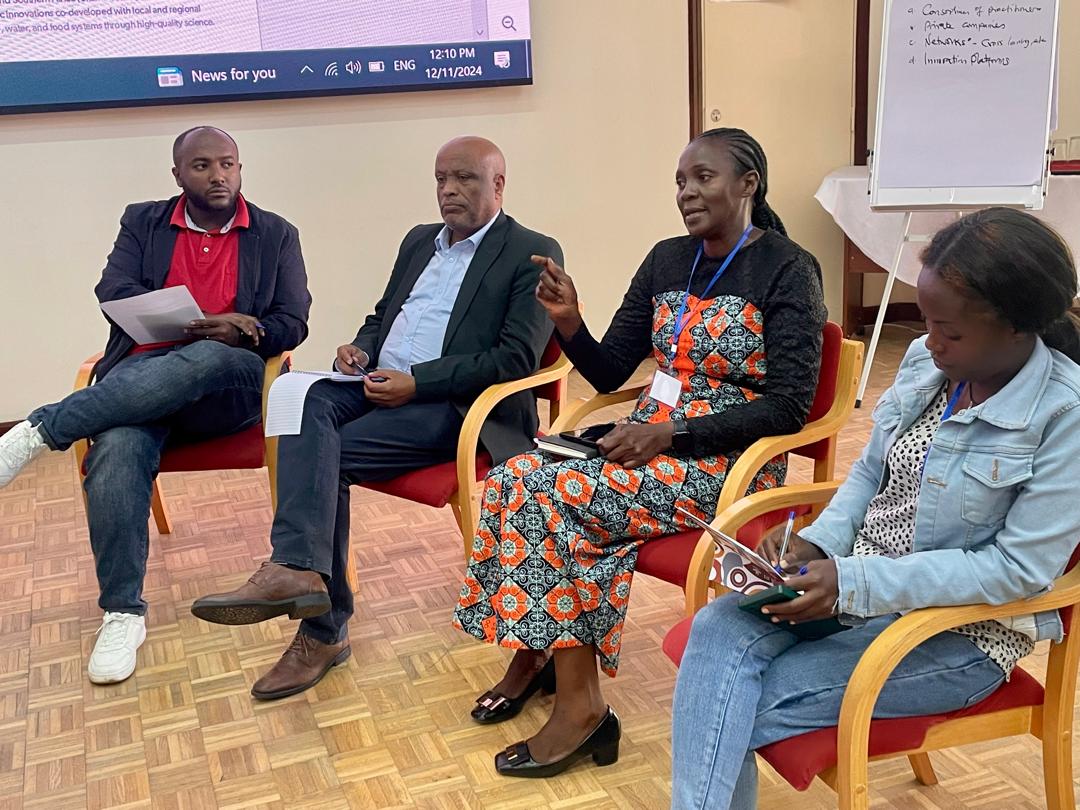
The Comprehensive Africa Agriculture Development Programme Ex-Pillar IV (CAADP-XP4) partners have successfully concluded a five-day preparatory workshop in Nairobi, Kenya, marking a significant step towards finalizing the project’s endline survey and developing critical knowledge management (KM) products that will showcase the initiative’s impact across Africa.
Hosted by CCARDESA, with the participation of FARA, CORAF, AFAAS, and ASARECA, the workshop was instrumental in aligning methodologies, consolidating project learnings, and charting a roadmap for project closure in 2025.
Key Outcomes from the Workshop
✅ 13 Most Significant Change Stories were drafted for finalization and publication, capturing the real-life impact of CAADP-XP4 on agricultural research, innovation, and policy influence.
✅ Sustainability measures were clearly defined to support post-project resource mobilization and ensure continued impact beyond the project’s closure.
✅ The Monitoring, Evaluation, and Learning (MEL) database was updated with refined indicators, allowing for a more robust measurement of project outcomes, particularly in gender equity, youth empowerment, and capacity-building.
✅ Gender-based reporting was recognized as a critical driver in achieving CAADP-XP4’s goals, with survey findings demonstrating how gender-responsive interventions have contributed to progress.
✅ A detailed roadmap was established for conducting the endline survey and preparing for the final project closure in 2025, ensuring compliance with donor requirements and maximizing knowledge dissemination.
Commitment to Sustainable Agricultural Innovation
The workshop participants, who were largely technical leads from CAADP-XP4’s implementing organizations, reaffirmed their commitment to ensuring that the endline survey and KM products effectively capture the program’s achievements. This effort is expected to provide valuable lessons for scaling innovative partnerships and agricultural research models across the continent.
Through structured working sessions, the consortium members developed strategies for strengthening partnerships, mobilizing future resources, and positioning African agricultural research organizations for long-term impact.
Next Steps: Capturing and Showcasing CAADP-XP4’s Legacy
📌 Finalize and publish the Most Significant Change Stories to illustrate key transformations driven by the project.
📌 Conduct the endline survey to assess CAADP-XP4’s impact comprehensively and inform future agricultural initiatives.
📌 Develop strategic knowledge products, including reports, policy briefs, and digital content, to enhance visibility, advocacy, and uptake of best practices.
📌 Leverage findings to mobilize resources and influence continental agricultural policy and innovation frameworks.
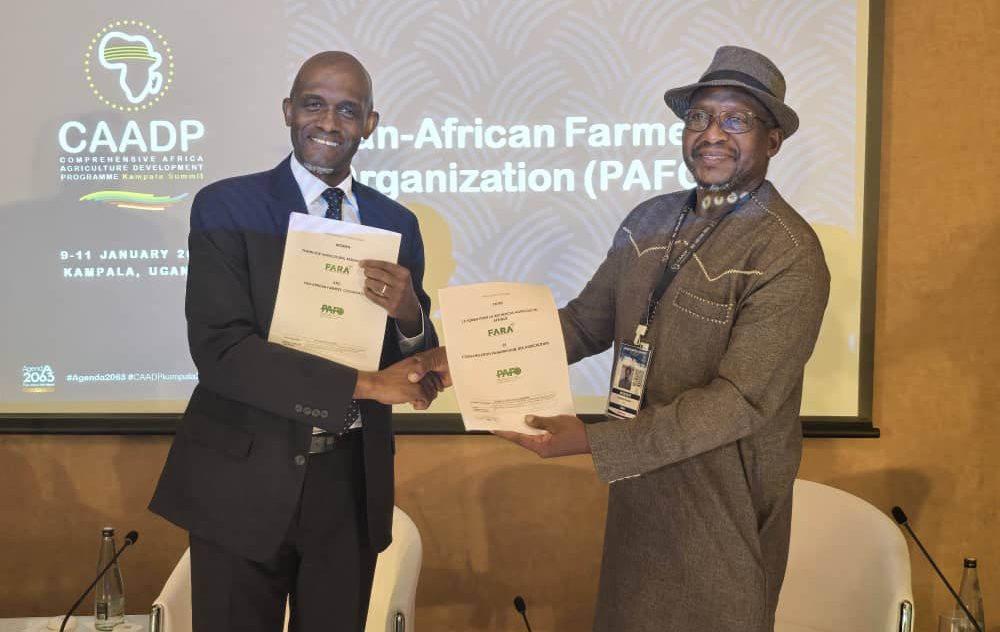
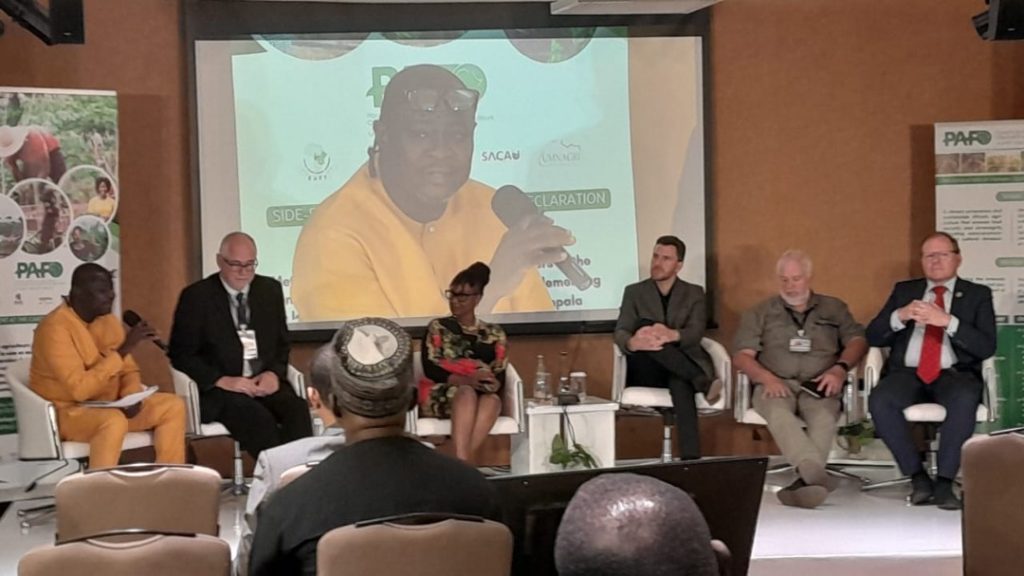
Kampala, Uganda – January 10, 2025: In a significant move to advance African agriculture, the Forum for Agricultural Research in Africa (FARA) and the Pan-African Farmers Organization (PAFO) signed a Memorandum of Understanding (MoU) at the CAADP-3.0 Summit in Kampala. This partnership aims to address key issues in agricultural development, emphasizing the central role of farmers in transforming the continent’s food systems.
The MoU signing ceremony marked the conclusion of a PAFO-led side event titled “Putting Farmers at the Center of CAADP-3.0 Implementation.” The event brought together stakeholders to discuss how to empower farmers and ensure their voices guide agricultural policies and interventions.
Farmers at the Heart of Agricultural Progress
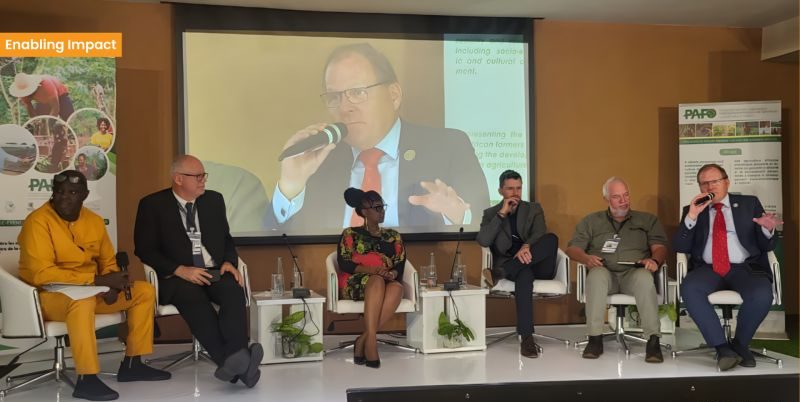
During a panel discussion, Prof. Oluwole Fatunbi, Acting Director of Research and Innovation at FARA, highlighted the pivotal role of farmers in Africa’s agricultural and food systems transformation. Prof. Fatunbi outlined several critical benchmarks for measuring the success of the CAADP-3.0 agenda, including:
Profitability and Sustainability: Enhancing farmers’ business enterprises and livelihoods.
Quality of Life: Improving the overall well-being of farmers.
Proactive Engagement: Encouraging farmers to lead and demand the outputs they need from research and development actors.
“Africa’s farmers must move from being passive participants to proactive leaders in agricultural development,” Prof. Fatunbi asserted. He emphasized the need for farmer organizations to take the initiative in articulating their challenges and driving the agenda for solutions. “Farmers have the right to demand the technologies they need and should not wait to be engaged but should actively engage others.”
Lessons from CAADP’s Past and a Vision for CAADP-3.0
Reflecting on the previous phases of the Comprehensive Africa Agriculture Development Programme (CAADP) agenda, participants called for a more robust and efficient implementation framework for CAADP-3.0. Delays in structuring proper modalities have hindered progress in the past, and stakeholders agreed that Africa’s agricultural challenges cannot afford to wait.
Prof. Fatunbi reiterated that the success of CAADP-3.0 depends on learning from past experiences and ensuring farmers’ needs remain central to the program’s design and execution.
A Partnership for Change
The partnership between FARA and PAFO signals a commitment to building a farmer-centered agricultural future for Africa. By working together, the organizations aim to create actionable pathways to enhance the profitability, sustainability, and quality of life for African farmers while addressing systemic challenges in agriculture.
The collaboration underscores the urgency of transforming Africa’s agriculture and food systems to meet the continent’s aspirations. As CAADP-3.0 takes shape, the active leadership and engagement of Africa’s farmers will be crucial in achieving its vision of a prosperous agricultural sector.
Call to Action
With the signing of this MoU, FARA and PAFO have set the stage for a collaborative approach to addressing the pressing issues in African agriculture. Stakeholders are encouraged to join this movement to ensure that Africa’s farmers are not only at the table but leading the discussions and decisions that will shape the future of the continent’s agriculture.
Kampala, Uganda – January 10, 2025: During a high-profile side event organized by AUDA-NEPAD and the Forum for Agricultural Research in Africa (FARA) at the extraordinary presidential summit for CAADP-3.0, experts underscored the critical role of the private sector in achieving the aspirations of the Soil Initiative for Africa (SIA) and the Africa Fertilizer and Soil Health Action Plan (AFSH-AP).
Prof. Oluwole Fatunbi, Acting Director for Research and Innovation, delivered a poignant message, highlighting that without meaningful engagement with the private sector, these initiatives risk becoming unattainable aspirations. “The private sector operates on profit motives, not charity or development aid frameworks,” Prof. Fatunbi stated. He called for a paradigm shift, urging governments to focus on creating enabling environments rather than direct involvement in fertilizer production, importation, or subsidy schemes.
Addressing Fertilizer Trade Challenges
Prof. Fatunbi revealed a troubling paradox: while much of Africa’s fertilizer production is exported to earn foreign currency, local farmers rely heavily on imported fertilizers. This dynamic poses significant challenges to local manufacturers, particularly due to governments’ inability to provide sufficient hard currency to facilitate fertilizer trade.
Prof. Wole Fatunbi, Acting Director for Research and Innovation, FARA moderating the panel on ‘achieving the aspirations of the Soil Initiative for Africa and the Africa Fertilizer and Soil Health Action Plan
“Fertilizer business is conducted in dollars but sold locally in national currencies,” he noted, emphasizing the financial strain this creates for manufacturers. Moreover, government subsidy programs and payment delays further discourage private sector participation. To address these issues, participants proposed a dual strategy of increasing local fertilizer production and reducing reliance on imports.
Pathway for Sustainable Fertilizer Development
The event highlighted the Africa Fertilizer Finance Mechanism (AFFM) as a vital tool to support local fertilizer manufacturing and promote the use of both organic and mineral fertilizers. Prof. Fatunbi called for the optimization of the AFFM to strengthen Africa’s capacity for self-sufficiency in fertilizer production.
A newly formed Coalition of Private Sector Organizations for Fertilizer Development aims to tackle financing barriers, attract investment, and de-risk fertilizer trade across the continent. This coalition is poised to drive transformative change by ensuring Africa’s fertilizer resources remain on the continent to benefit local farmers, thereby advancing the goals of SIA and AFSH-AP.
A Call for Action
The discussions at the summit reflected a growing consensus: to achieve agricultural sustainability and food security, African governments must facilitate private sector-led fertilizer production while addressing trade and financial barriers. As stakeholders intensify efforts toward implementing the SIA and AFSH-AP, the collaboration between public and private sectors will be critical to ensuring Africa’s soils remain healthy and productive.
The call to action is clear—Africa must seize the opportunity to localize fertilizer production, minimize imports, and empower the private sector to lead the charge for agricultural transformation.
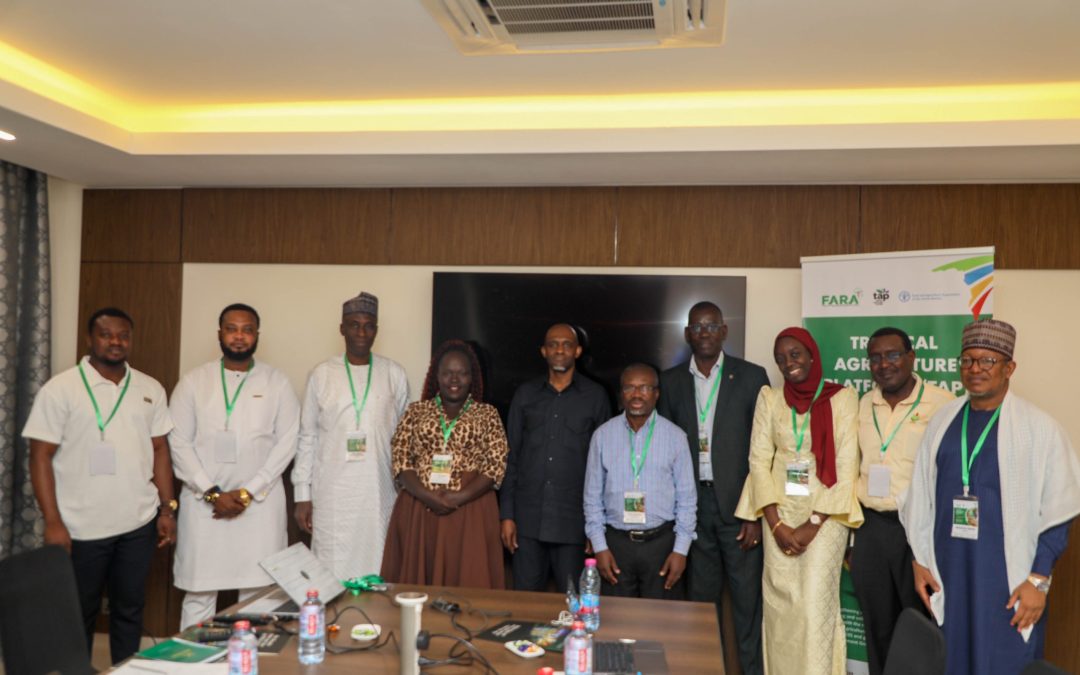
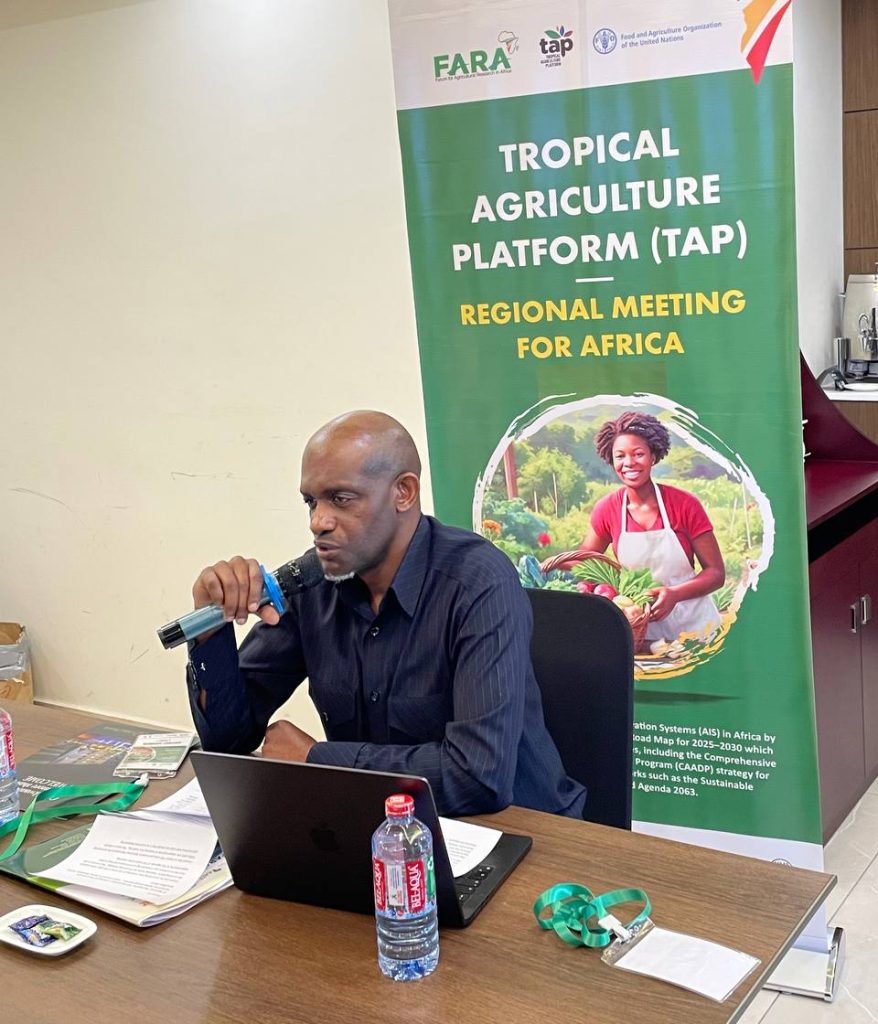
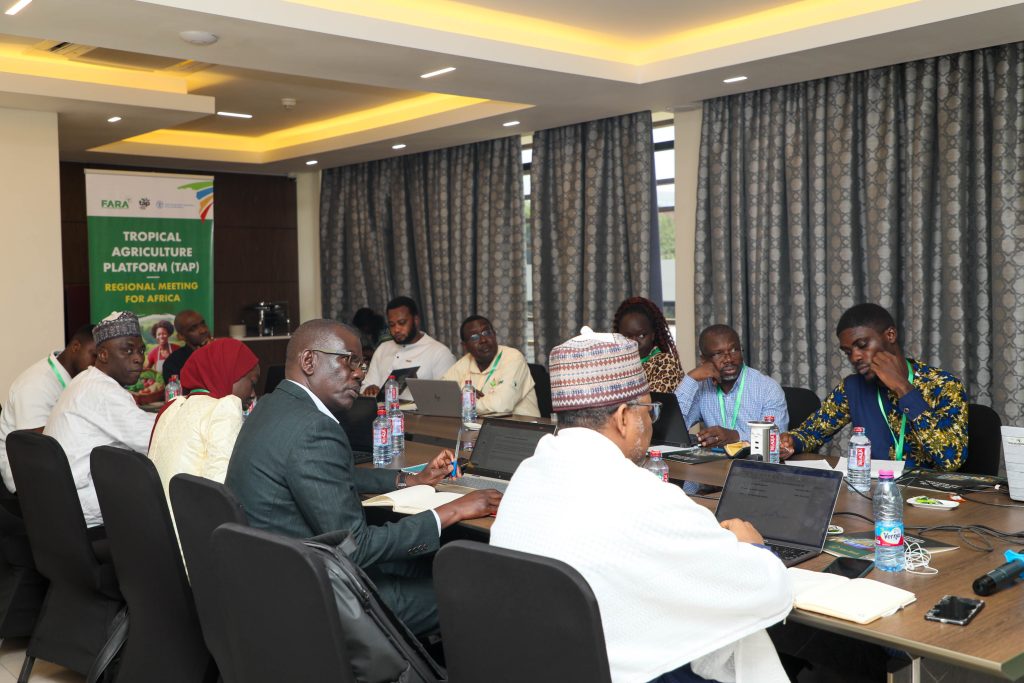
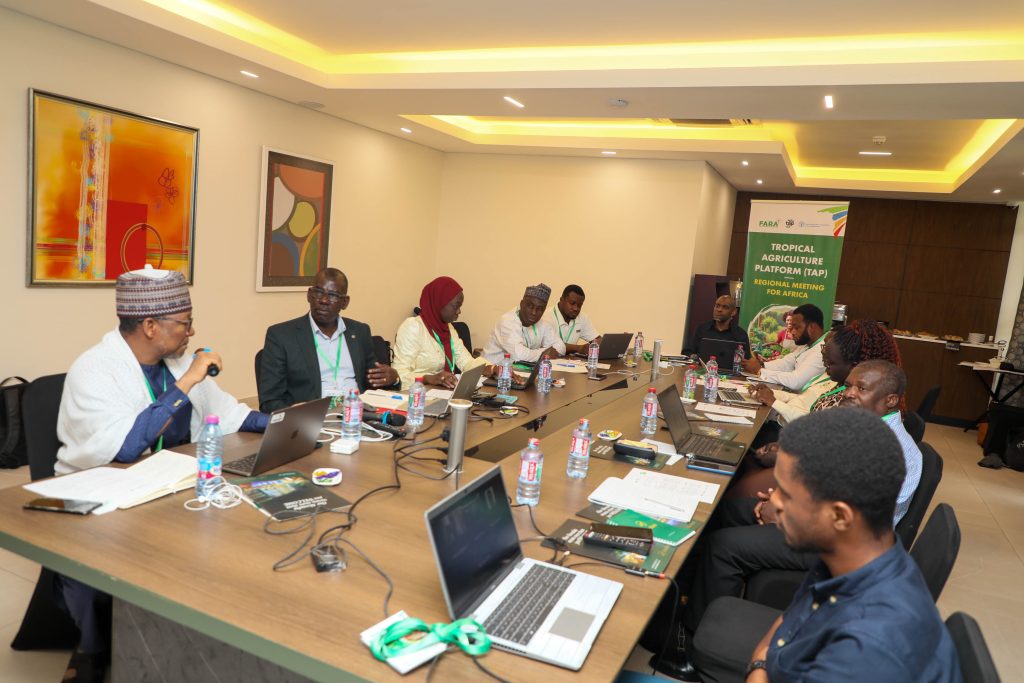
Accra, Ghana – The Forum for Agricultural Research in Africa (FARA) welcomed stakeholders from across the continent to Accra for the Regional Meeting for Africa on the Tropical Agriculture Platform (TAP). The gathering, held under the auspices of the Food and Agriculture Organization (FAO), focused on strengthening capacity development to address Africa’s agricultural challenges.
In his opening remarks, Dr. Aggrey Agumya, Executive Director of FARA, lauded participants for their commitment to advancing TAP’s agenda despite the busy end-of-year season. “Your choice to prioritize this meeting is a testament to your unwavering dedication to improving African agricultural systems,” he remarked.
Dr. Agumya thanked the FAO for partnering with FARA to host the event. He also reflected on his personal association with TAP, tracing its evolution from concept to operationalization. “I was privileged to witness TAP’s journey from its inception at the G20 meeting in Paris in 2011 to its official launch in 2012 during the G20 Chief Agricultural Scientists’ meeting in Guadalajara, Mexico,” he shared. He credited FAO’s leadership for transforming the idea of TAP into a globally recognized initiative.
A central theme of the meeting seeks to address the capacity challenges that hinder agricultural development in Africa. Dr. Agumya highlighted the paradox of underutilized resources in agriculture. “While funding is often cited as a constraint, many countries face difficulty absorbing available resources due to capacity gaps. These gaps are not just about numbers but also about fragmentation within the agricultural sector,” he explained.
He pointed to an imbalance in Africa’s research ecosystem: “National Agricultural Research Institutes (NARIs) receive 75% of research funding but possess only 25% of the research capacity. Meanwhile, universities hold 75% of the capacity but receive just 25% of the funding.” Dr. Agumya called for greater integration between universities and research institutes to unlock Africa’s potential in research and innovation.
The timing of the workshop was noted as particularly significant, coming just ahead of the launch of the CAADP-Kampala roadmap. Dr. Agumya commended TAP for engaging the African Agricultural Research and Innovation Institutes (AARIEIs) in validating the next phase of its strategy. “This roadmap belongs to all of us. Its successful implementation will be crucial in scaling up TAP’s tools and methodologies across the continent,” he emphasized.
He reaffirmed FARA’s commitment to addressing capacity challenges in Africa’s agricultural sector. “By harnessing the research capacity in our universities and aligning it with national priorities, we can drive the transformative change needed to meet Africa’s agricultural goals,” he said.
About TAP
The Tropical Agriculture Platform (TAP) is a G20 initiative aimed at strengthening agricultural capacity development worldwide. Focusing on fostering collaboration and innovation, TAP has become a key partner in addressing the systemic challenges facing agriculture in Africa.
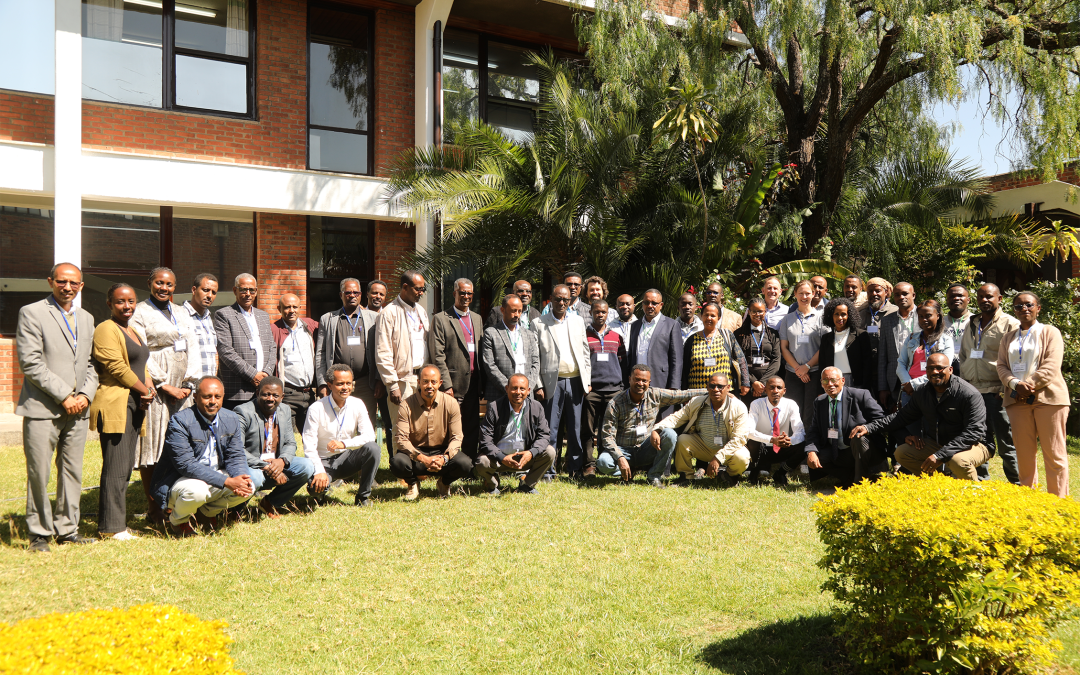
In a move poised to transform the landscape of African agricultural knowledge sharing, leading research and innovation partners concluded the “Second Workshop to Operationalize the African Agricultural DSpace Repository” this week. The three-day workshop, hosted at the International Livestock Research Institute (ILRI) campus in Addis Ababa from December 11 to 13, brought together partners from CGIAR and the CAADP-XP4 network. Representatives from FARA, CCARDESA, AFAAS, CORAF, ASARECA, and CGIAR experts led by ILRI worked in concert to strengthen the African Agricultural Research and Innovation Institutions Space (AARIISpace).
The event was not merely a routine meeting of technical experts. Instead, it signaled an important step in building a robust digital platform for sharing, curating, and disseminating agricultural knowledge. The workshop served as a pivotal checkpoint, enabling partners to gauge their progress since the signing of the Knowledge Management Partnership Framework at the African Agribusiness and Science Week (AASW8) in Durban. It also laid out concrete plans for using metadata standards, integrating Indigenous Knowledge, and applying AI-driven analytics to bolster AARIISpace’s capabilities.
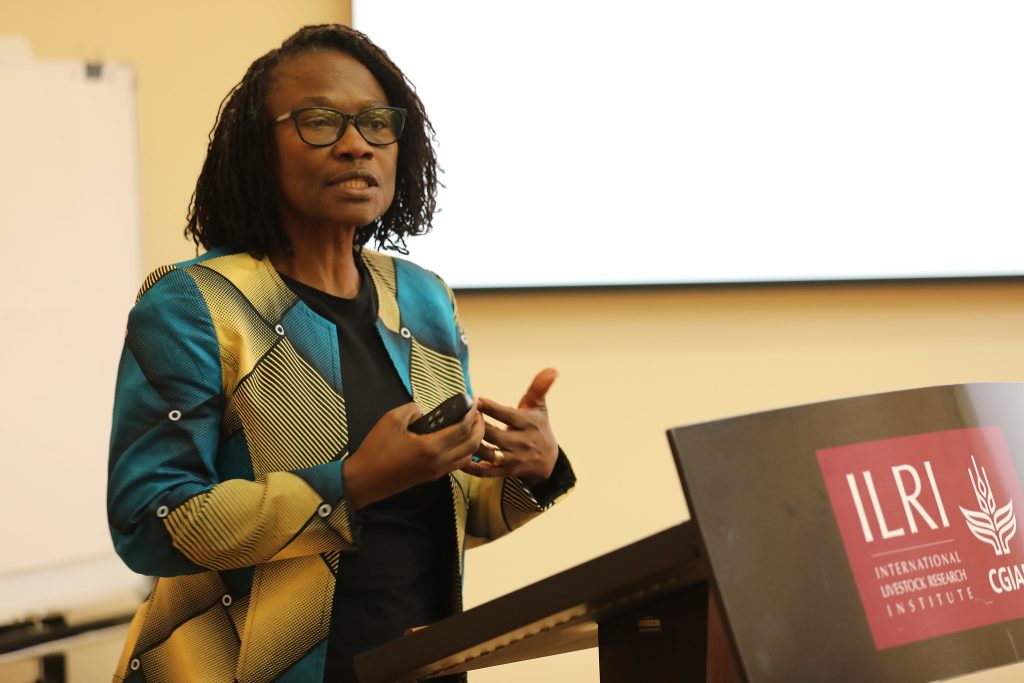
“By mid-2025, we expect to configure, launch, and roll out AARIISpace to a wide array of regional and national stakeholders,” said Michael Victor, Head of Communications, Advocacy and Knowledge Management at ILRI. “This workshop underscores our collective commitment to building a sustainable, scalable, and inclusive platform that democratizes access to agricultural research and innovation.”
Echoing these sentiments, Benjamin Abugri, Knowledge Management, Digitalization and Learning Lead Specialist speaking on behalf of the CAADP-XP4 Consortium, highlighted that AARIISpace “will be a cornerstone of ensuring inclusive, sustainable, and scalable impact” on the continent’s agricultural sector.
The workshop’s successes rest on a strong three-year foundation of partnership and innovation. During this period, over 50 practitioners have obtained Knowledge Management certifications through the Knowledge Management for Agricultural Development (KM4AgD) Challenges and conferences. Strategic policy dialogues and sessions—such as the Gender Equality and Social Inclusion (GESI) workshop in Malawi and knowledge management training in Johannesburg—have honed the partners’ collective expertise. Knowledge-sharing fairs in Zimbabwe and Ethiopia have further spotlighted best practices and cutting-edge research outputs, while policy validation exercises have ensured that emerging strategies remain closely aligned with stakeholder needs.
In short, the workshop was the latest milestone in a vibrant ecosystem of collaborative activities. Participants leveraged ILRI’s decade-long experience with CGSpace, a proven repository platform, to shape the AARIISpace framework. The proposed common vocabularies, standardized metadata, and next-generation functionalities are all geared toward making African agricultural knowledge more accessible and usable than ever before.
Looking forward, the partners have sketched an ambitious roadmap. They have reaffirmed their commitment to the Memorandum of Understanding guiding their collaboration, extending joint activities through 2025. High on the agenda is the publication of the inaugural Africa Knowledge Management Report, as well as expanding KM4AgD Communities of Practice. Embracing subsidiarity principles, the partners plan to encourage national-level Knowledge Management policies and strategies, ensuring that insights flow smoothly from research labs to rural fields.
To cap it off, the partners aim to jointly develop funding proposals and host a global Knowledge Management Share Fair focusing on KM4AgD and AI in Africa. This event would provide a global stage for showcasing how homegrown African innovations in digital knowledge management can accelerate agricultural development.
As the workshop drew to a close, CGIAR and CAADP-XP4 Partners expressed gratitude to all participants for their dedication, expertise, and energy. The stage is now set for AARIISpace to become a beacon of agricultural innovation. However, the initiative’s full realization will require collective effort, including financial and human resources, and the sustained engagement of governments, private sector actors, and farmer organizations.
With the foundation firmly laid, the next phase of collaborative action promises to translate this synergy into tangible improvements for farmers, researchers, and policy-makers across the continent. This will ultimately cultivate a richer, more equitable harvest of knowledge and innovation for Africa’s agricultural future.
Ms. Bridget Kakuwa is Information, Communication and Knowledge Management Officer at the Center for Coordination for Agriculture in Southern Africa (CCARDESA)
Mr. Benjamin Abugri is Lead Specialist for the Knowledge Management, Digitalization and Learning Cluster at the Forum for Agricultural Research in Africa (FARA)
A pressing need for systematic knowledge exchange between CGIAR and African Regional Research Institutions has driven the creation of the Ukama Ustawi’s Learning Alliance (UULA), a dynamic partnership designed to bridge research findings and on-the-ground application. This ambitious initiative took center stage at a recent Solutions ShareFair in Addis Ababa at the ILRI Campus from 10-11 December, 2024 where diverse stakeholders convened to co-create practical solutions and strengthen Africa’s agrifood systems.
The UULA is anchored in the CGIAR-CAADP-XP4 Knowledge Management Framework and aims to enhance information flow among National Agricultural Research Systems (NARS), extension workers, farmers, and policymakers. By ensuring research is not only accessible but also actionable, the Learning Alliance aspires to transform data-rich but often underutilised academic insights into tangible outcomes that address Africa’s pressing agricultural challenges.
The Solutions Share Fair aimed to highlight agricultural innovations introduced by CGIAR and its partners in Ethiopia over the last three years, assemble a targeted portfolio of solutions suited to Ethiopia’s specific agrifood conditions, and strengthen partnerships among stakeholders as CGIAR’s new research agenda takes shape. These objectives underscore the importance of multi-level engagement—from NARS to extension services and from local policymakers to regional authorities. Through the Learning Alliance, partners like CCARDESA, ASARECA, CORAF, AFAAS, and FARA demonstrated how integrated efforts can spur innovation, increase resilience, and promote sustainable development.
“Ukama Ustawi has been instrumental in connecting the CGIAR with the CAADP-XP4 network, including AFAAS, ASARECA, and other regional partners,” said Dr. Namukolo Covic, a CGIAR leader closely involved with the Learning Alliance. “The Learning Alliance serves as a network for improving Knowledge Management and ensuring that valuable research is practical and usable. This approach ensures that agricultural insights are translated into interventions that directly benefit communities.”
Dr Covic also acknowledged Mr Abugri’s recent honour: “I would like to congratulate Benjamin for winning the International Knowledge Management Award 2024., bestowed upon an international organisation as well as an outstanding personality by a jury constituted under the auspice of the Association Knowledge Management Austria. He truly exemplifies the best in knowledge acquisition and sharing.”
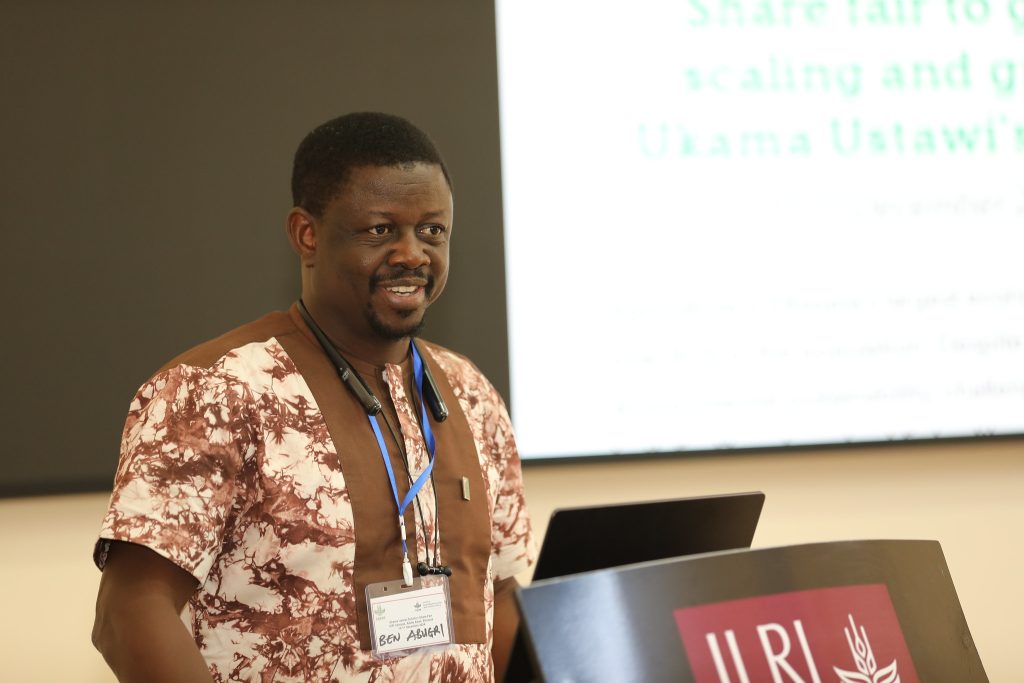
Mr. Benjamin Abugri, a Knowledge Management Specialist from FARA, officially opened the meeting and spoke on behalf of the CAADP-XP4 Consortium, emphasizing the focus on farmers as key drivers of agricultural transformation. He highlighted the adoption of Climate-Smart Agriculture (CSA) technologies, fostering inclusive collaboration, and using platforms like Dgroups to share knowledge. He also underscored strong ties with CGIAR, events like MITA for knowledge exchange, and alignment with the African Union’s CAADP Malabo agenda and Soil Initiative to ensure food security and sustainability.
Ms. Nora Hanke-Louw, Deputy Head of Office for IWMI South Africa, delivered an insightful presentation on the Ukama Ustawi (UU) initiative. She provided an overview of its impact at the initiative level. She highlighted previous Share Fairs in Southern Africa, showcasing UU’s regional reach and commitment to fostering sustainable agricultural practices.
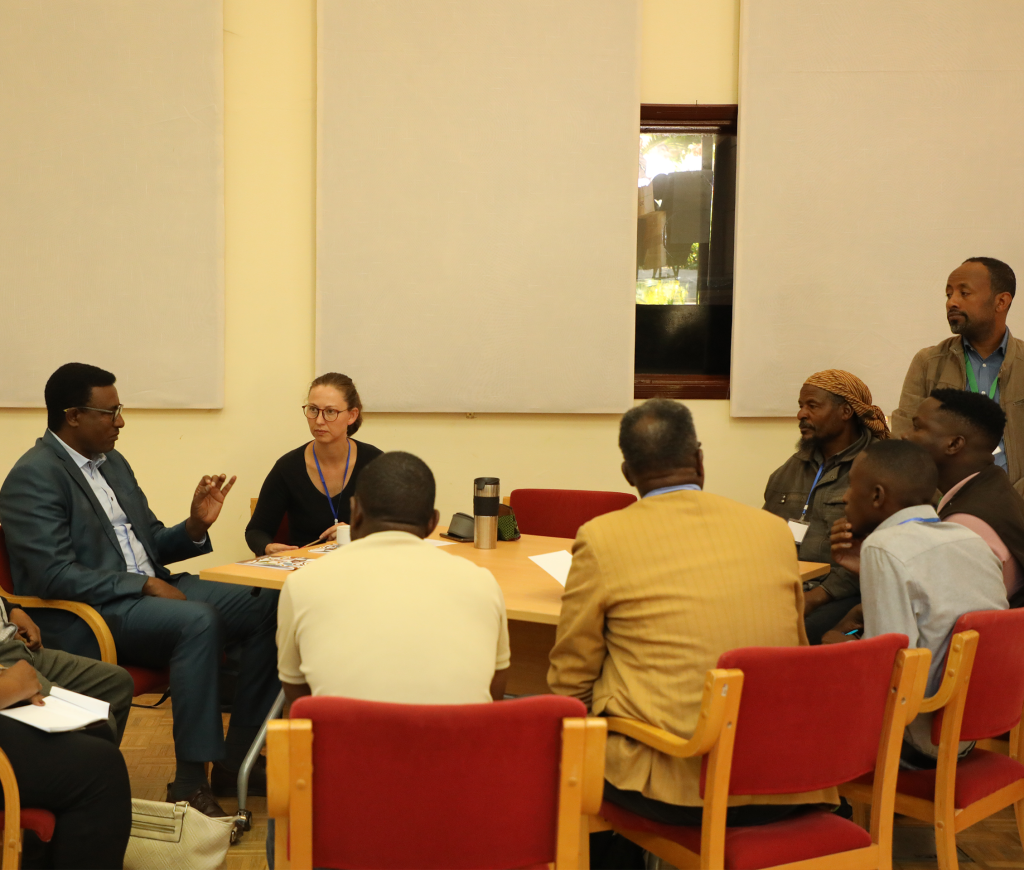
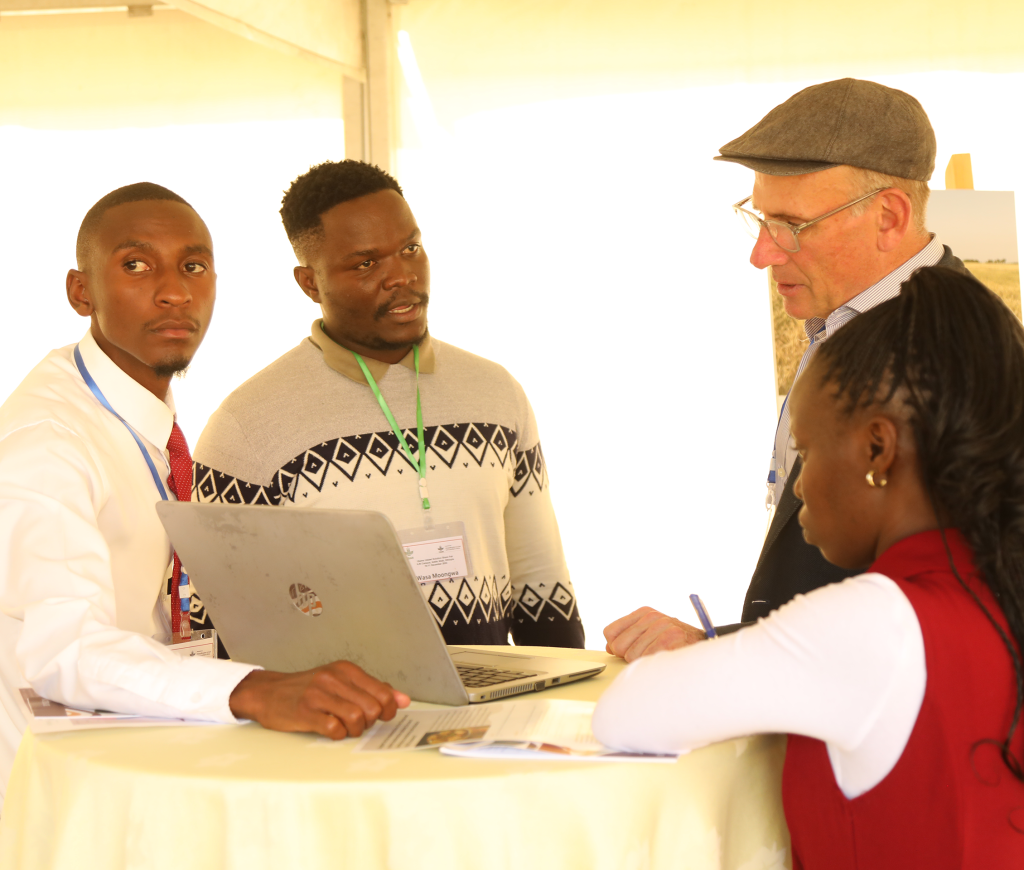
Despite the wealth of agricultural research produced across the continent, much remains confined to academic journals. Recognizing this, the Solutions Share Fair provided a platform for dialogue, enabling stakeholders to discuss and refine innovations that address Ethiopia’s unique agrifood challenges. Participants worked together to curate an evidence-based, context-specific portfolio of solutions, each informed by local knowledge and inclusive of farmers’ voices. The share fair showcased Innovative technologies around Livestock feeds, seed breeding, Climate Smart Friendly and regenerative agricultural equipment and machinery, Innovations around capacity-strengthening efforts to reach women, youth, and the private sector; Gender led innovations on small ruminants such as goats in Ethiopia, a Geo Agro App that tests the Soil PH for Farmers, solar powered innovations that can be purchased in a cooperative or through the bank among others.
In addition to high-level experts, Share Fair’s panel discussions included representatives from government ministries, the private sector, and farmer organizations. Mr. Elias Awol, CEO of Smallholder Irrigation Development at the Ministry of Agriculture, underscored Ethiopia’s dedication to scaling solutions that enable smallholder farmers to adopt new technologies and farming practices. Discussions also touched on issues such as solar panel maintenance for irrigation and gender mainstreaming, as women often provide significant agricultural labor yet face barriers to resource access and decision-making.
As the event concluded, Michael Victor, Head of Communications, Advocacy, and Knowledge Management at ILRI, moderated conversations about the future and how to link current initiatives with the Scaling for Impact Science Program to ensure long-term sustainability and real-world benefits.
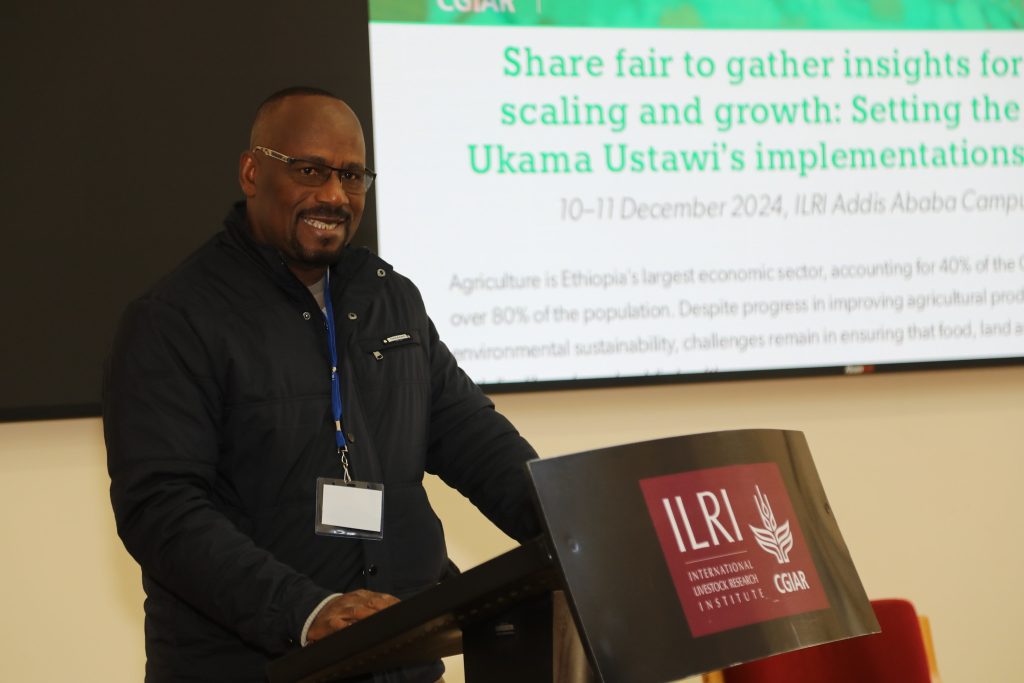
Mr. Michael Victor, Head of Communications, Advocacy, and Knowledge Management, led a panel discussion exploring key strategies to scale impactful science programs. The panel addressed essential questions, including the elements needed to scale impact effectively, how CGIAR can engage partners to assess national innovation demands, pathways for scaling innovations in the CCARDESA region, and a direct request to CGIAR from the demand side. The discussion highlighted the importance of collaboration, robust mechanisms, and strategic pathways to enhance food systems and drive sustainable solutions.
Prof. Nieyidouba Lanien, Programs Coordinator at CORAF, emphasized their region’s focus on sustainability and innovation. “We work on initiatives that support farmers using an innovation platform approach and adopt methods such as TAAT (Technologies for African Agricultural Transformation) to ensure present and future resilience,” he said.
“The principle of subsidiarity, scaling, and reaching the last mile—the farmer—guides our work,” said Mrs Bridget Kakuwa -Kasongamulilo speaking as a panelist. “We focus on farmers because they are the key. It’s not enough to have cutting-edge technologies; we must ensure that these innovations are effectively adopted, integrated into policies, and aligned with African Union initiatives, including CAADP Malabo, to guarantee food security and sustainability.” She appealed to the CGIAR to use the SROs Network as entry points into member states since the AU and Regional Economic Communities (RECs) mandate them to coordinate Agricultural research at the regional level.
Looking ahead, the Ukama Ustawi’s Learning Alliance will continue to foster dialogue, integrate local and indigenous knowledge, and champion the flow of proven technologies to communities that need them most. By harnessing collaborative energy, knowledge, and resources, the Alliance and its partners are laying the groundwork for a robust, equitable, and climate-resilient African agrifood system.
For the farmers whose livelihoods depend on timely, accurate, and context-specific information, and for the research institutions seeking to make an impact beyond the laboratory, the UULA and events like the Solutions Share Fair offer renewed hope that knowledge can—and will—be transformed into action.
Ms. Bridget Kakuwa is Information, Communication and Knowledge Management Officer at the Center for Coordination for Agriculture in Southern Africa (CCARDESA)
Mr. Benjamin Abugri is Lead Specialist for the Knowledge Management, Digitalization and Learning Cluster at the Forum for Agricultural Research in Africa (FARA)