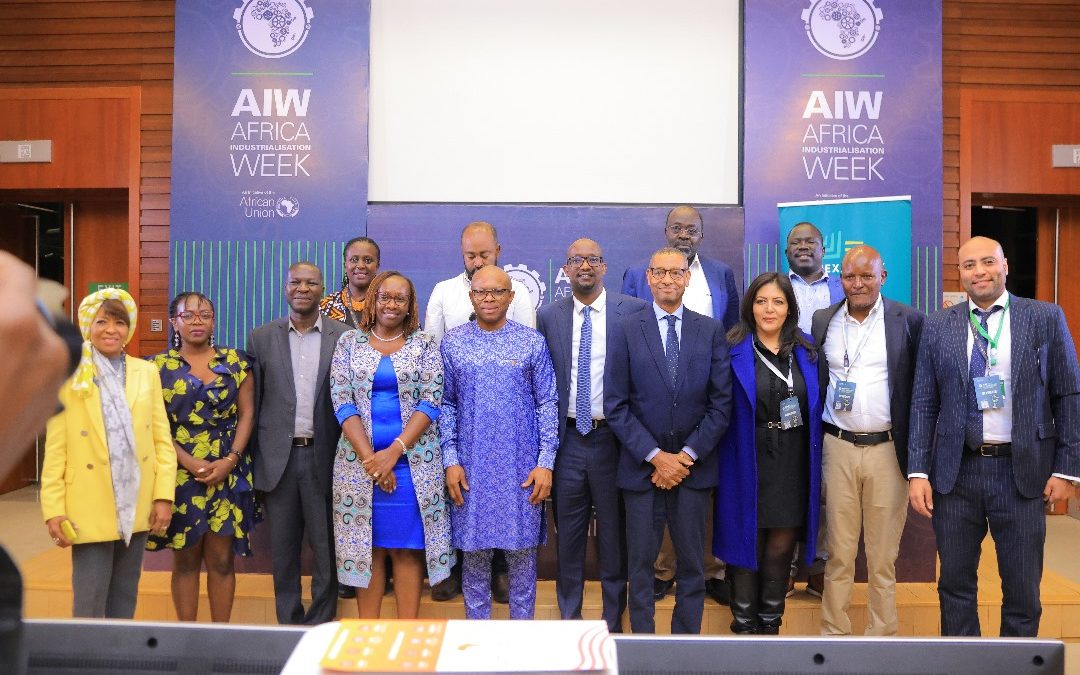
On the margins of Africa Industrialization Week 2024, a landmark side event titled “Scaling Africa’s Agro-Industrialization through the Common African Agro-Parks (CAAPs): What Role for Green Investments?” brought together high-profile stakeholders to discuss Africa’s agro-industrialization agenda and the transformative role of green investments.
Organized by Afreximbank with the support of the Forum for Agricultural Research in Africa (FARA), the event underscored the strategic importance of the CAAPs initiative in advancing sustainable agro-industrial development. The initiative, closely aligned with Agenda 2063 and the African Continental Free Trade Area (AfCFTA), focuses on establishing agro-parks to enhance value addition, foster regional integration, and promote environmental sustainability.
Mr. Anselme Vodounhessi, Coordinator of CAAPs at FARA,
The event opened with remarks from Mr. Christian Ndikumagenge, a representative of Afreximbank, who emphasized the institution’s commitment to leveraging green financing for industrial growth across Africa. Mr. Anselme Vodounhessi, Coordinator of CAAPs at FARA, followed with an introduction to the initiative, highlighting its transformative potential in addressing food security, job creation, and economic resilience while integrating technologies and circular economy approaches to maximize resource efficiency.
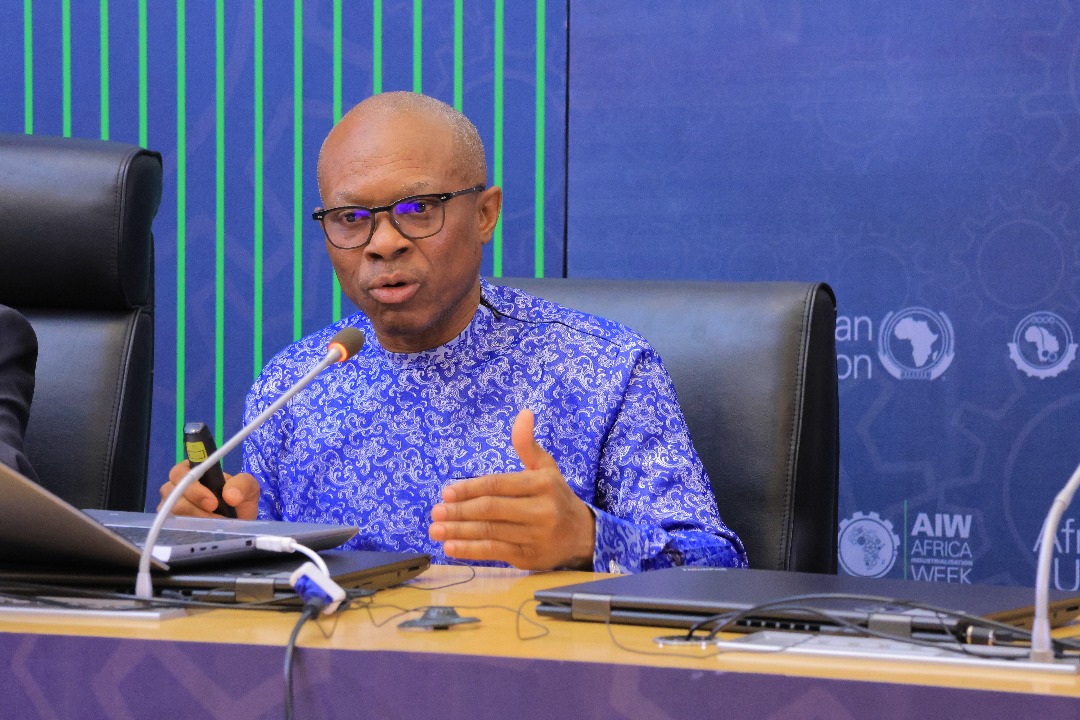
Dr. Dejene Tezera, Director of the Department of Agri-Business at UNIDO
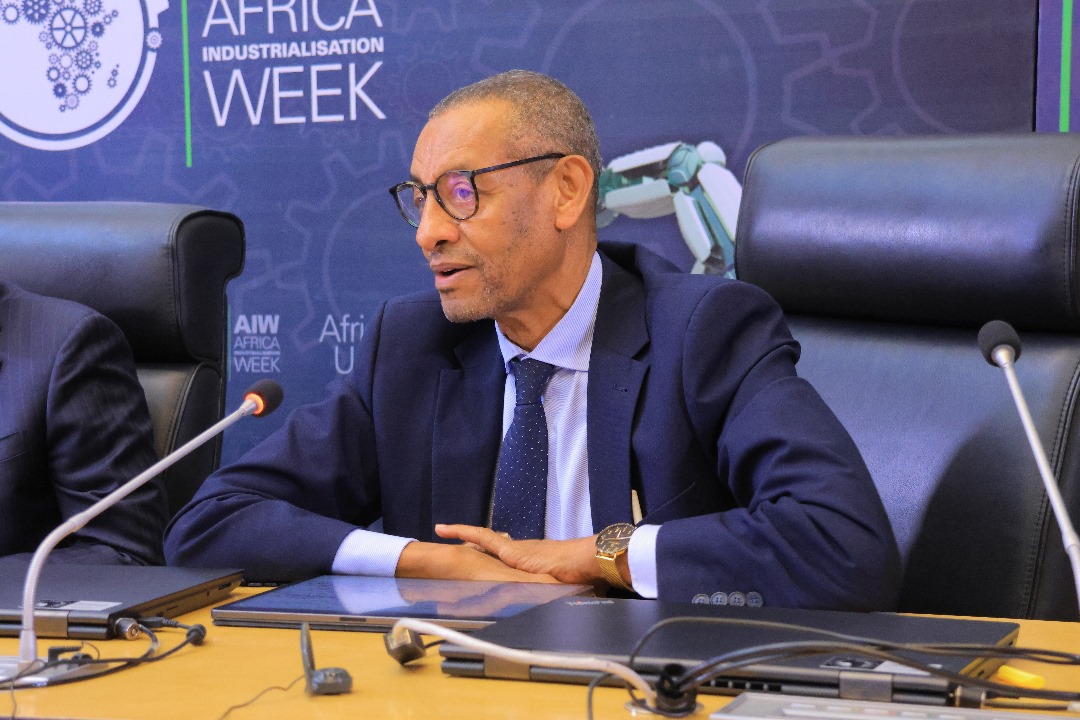
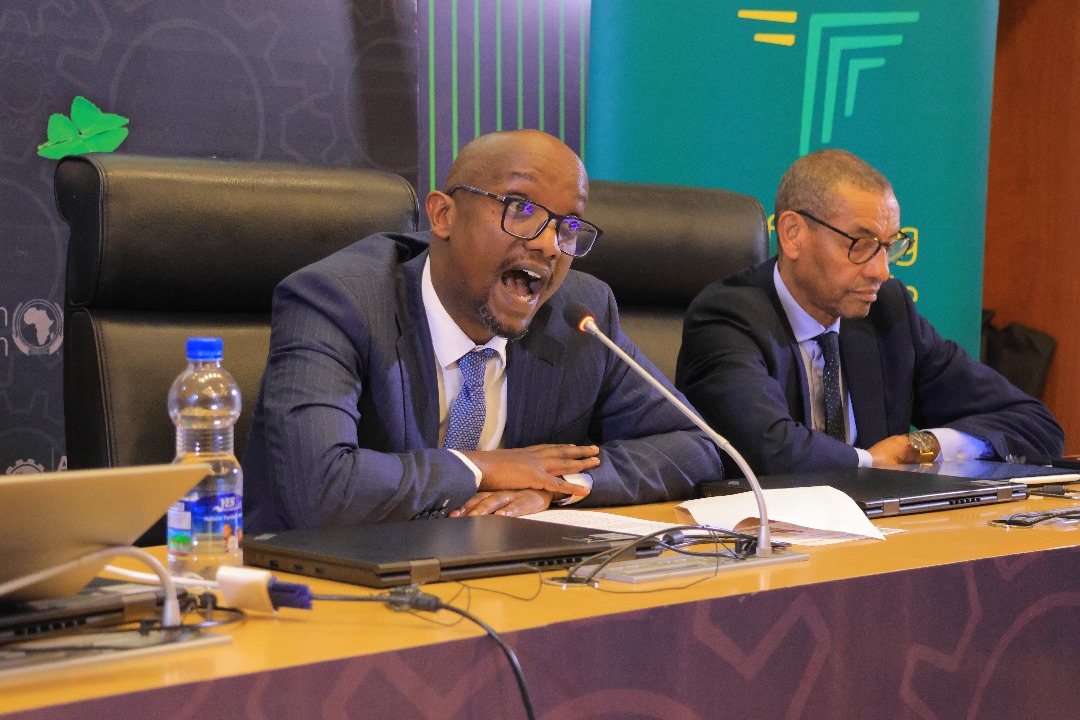
A dynamic panel discussion featured Dr. Dejene Tezera, Director of the Department of Agri-Business at UNIDO, alongside other distinguished experts. The panel explored innovative green financing mechanisms such as blended finance, green bonds, and sustainability bonds. Discussions also emphasized the critical role of policy alignment, technology integration, and public-private partnerships in operationalizing CAAPs zones effectively while leveraging green financing instruments to ensure long-term sustainability.
The event concluded with a compelling call to action, urging stakeholders to prioritize investment in agro-industrial zones, starting with the flagship Zambia-Zimbabwe and Côte d’Ivoire-Ghana corridors. Participants reaffirmed the potential of CAAPs to transform Africa’s agricultural sector into a globally competitive and sustainable economic driver, addressing critical challenges such as food security, unemployment, and environmental degradation.
Addis Ababa, Ethiopia – November 8 2024: Leaders of Sierra Leone and Guinea have vowed to replicate Ethiopia’s success story of agricultural transformation in their endeavors to ensure food security.
Following the conclusion of a three-day World Without Hunger Conference, the leaders visited the successful achievements gained in household farms in the East Showa zone of Oromia region.
Sierra Leone’s President Julius Maada Bio and Prime Minister Mamadou Oury Bah of the Republic of Guinea said that they have been desirous to emulate the achievements of Ethiopia, where it has tremendously embarked on activities of agricultural transformation.
The commitment of Sierra Leone and Guinea aligns closely with the CAAPs agenda, which aims to transform Africa’s agricultural sector through regional agro-industrial hubs. The CAAPs initiative, like Ethiopia’s agricultural reform, focuses on leveraging Africa’s natural resources, modernizing agriculture, and increasing food production to achieve food security, economic growth, ecological preservation and job creation.
ABOUT The CAAPs
The Common African Agro-Parks Programme (CAAPs) was initiated in 2019 as one of the concrete initiatives of the Comprehensive African Agricultural Programme (CAADP) to be implemented within the framework of the African Union (AU) Agenda 2063 in order to achieve the CAADP Malabo commitments, particularly the commitment to “triple intra-African trade in agricultural commodities and services.”
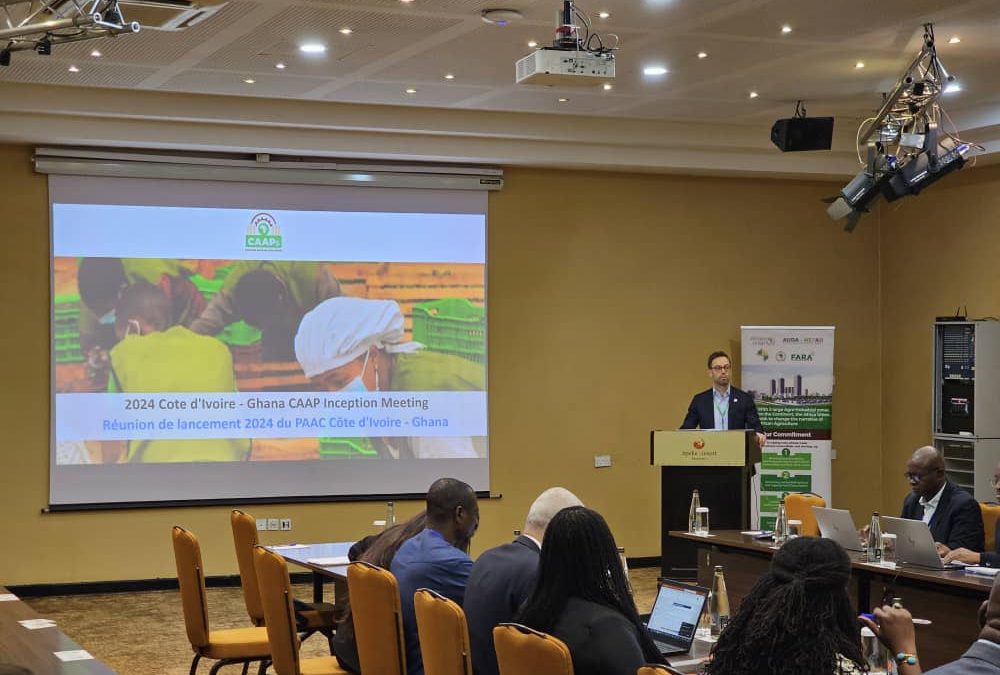
Kampala, Uganda – 11 November 2024: The African Union (AU) has launched the Côte d’Ivoire-Ghana Cocoa Common African Agro-Park (CIG CAAP) under its Agenda 2063, in a bold and strategic initiative aimed at transforming Africa’s cocoa industry. Senior representatives from Côte d’Ivoire, Ghana, the AU, and other key stakeholders convened in Kampala to inaugurate this collaborative milestone, designed to tackle pressing challenges and optimise opportunities in Africa’s cocoa sector through an innovative agro-industrial framework.
Dr. Dejene Tezera of FAO
The CIG CAAP is part of the broader Common African Agro-Parks (CAAPs) initiative, a flagship AU program envisioned to reshape Africa’s agricultural landscape by establishing integrated agro-industrial hubs throughout the continent. As two of the world’s top cocoa producers, Côte d’Ivoire and Ghana jointly supply nearly 60% of the global cocoa market (World Cocoa Foundation). This partnership aims to strengthen both nations by shifting their focus towards value-added production, enhancing competitive market positioning, and promoting sustainable practices while driving forward the AU’s objectives of regional industrialisation and self-sufficiency.
Dr Janet Edeme, Head of the AU’s Rural Development Division, described the CIG Cocoa CAAP as “a powerful statement of our determination to convert Africa’s natural wealth into value-added products that elevate our economies, empower our youth, and transform our societies.”
The Forum for Agricultural Research in Africa (FARA) is actively supporting the initiative through a dedicated and specialised research agenda targeting ten specific areas of study. FARA will engage leading academic and cocoa research institutions across Africa to recruit PhD candidates focused on advancing critical studies in cocoa production and processing, thereby fostering the next generation of African scientists. This focus reinforces FARA’s commitment to the long-term sustainability and competitiveness of the cocoa sector.
The AU, FARA, Afreximbank, and AfCFTA have united efforts to support the CIG CAAP through substantial investments in research, technical guidance, and innovative financing models. Anselme Vodounhessi, CAAPs Coordinator at FARA, emphasised the project’s commitment to a circular economy by repurposing cocoa byproducts such as husks and shells into environmentally friendly products like fertilisers, animal feed, and biofuels, setting new standards for sustainable industrial practices across Africa.
The meeting included a dedicated session on finalising the Terms of Reference (ToR) for the Pre-feasibility Study and Regional Value Chain Study, two pivotal steps in establishing the CIG CAAP. Under the guidance of UNIDO, with technical support from UNECA, IFPRI, and FAO, the ToR will enable detailed project planning, strategic resource mobilisation, and robust stakeholder engagement, paving the way for regional economic growth.
Paul Ntim of the Ghana Cocoa Board
The Côte d’Ivoire-Ghana Cocoa Initiative (CIGCI) and representatives from both countries endorsed the CIG CAAP, recognising it as a transformative strategy to address their shared strengths, weaknesses, opportunities, and threats (SWOT) in the cocoa sector. Despite challenges like price volatility and limited local processing capabilities, Côte d’Ivoire and Ghana are leveraging this partnership to promote local value addition, enhance sustainability, and build resilience against global market fluctuations.
Leading experts emphasised collaborative efforts towards a sustainable, value-oriented cocoa industry, working in coordination with AU, AUDA-NEPAD, AfCFTA, FARA, FAO, and other significant partners to develop a Common African Agro-Parks Cocoa Industrial Zone. Technical experts, including Paul Ntim from the Ghana Cocoa Board, Whatami Vamoussa Coulibaly from Côte d’Ivoire’s Le Conseil du Café-Cacao, and Tawiah Agyarko-Kwarteng, CIGCI Technical Manager, emphasised the importance of cooperative efforts in achieving a sustainable and value-driven cocoa sector.
Abidjan, Cote d’Ivoire – November 7, 2024: The fisheries and aquaculture sector in Côte d’Ivoire is set to benefit from substantial financial backing from the African Development Bank over the period 2025-2029.
The Board of Directors of the African Development Bank Group approved a loan of €24.63 million to Côte d’Ivoire to boost the development of fisheries and aquaculture value chains. This funding will enable the country, which has been undergoing rapid growth, to increase the sector’s contribution to the blue economy, both nationally and locally.
Courtesy of this new project, fishing activities in coastal towns such as Sassandra will be able to expand significantly. In addition, the project plans to improve fishing methods by supporting public and private fish farms in the west and south of the country.
This initiative aligns strongly with the CAAPs agenda, as it prioritizes sustainable economic growth, infrastructure development, job creation, and enhanced local and national value chains within Africa’s natural resource sectors.
Through these shared goals, the projects support Africa’s ambition to harness its natural resources for sustainable growth, laying the groundwork for a more resilient and prosperous continent.
ABOUT The CAAPs
The Common African Agro-Parks Programme (CAAPs) was initiated in 2019 as one of the concrete initiatives of the Comprehensive African Agricultural Programme (CAADP) to be implemented within the framework of the African Union (AU) Agenda 2063 in order to achieve the CAADP Malabo commitments, particularly the commitment to “triple intra-African trade in agricultural commodities and services.”
In a move to strengthen Africa’s agricultural sector, Afreximbank, the African Continental Free Trade Area (AfCFTA) Secretariat, and the World Food Programme (WFP) have signed a three-year Memorandum of Understanding (MoU) to support African farmers, agro-processors, and commodity traders with a minimum of $2 billion in financing by 2025.
Benedict Oramah, president/chairman of the Afreximbank board, announced this during the Farm, Food and Allied Technologies (FARMATECH) Expo 2024 in Abuja. According to him, the initiative aligns with AfCFTA’s objectives to bolster intra-regional trade and enhance food security across the continent.
This partnership, aligns with the CAAPs’ goals to promote agricultural productivity, enhance intra-regional trade, and support sustainable economic growth across Africa.
These initiatives aim to strengthen agricultural productivity and value addition, reducing Africa’s dependence on unprocessed commodity exports and enhancing its global competitiveness.
Afreximbank’s commitment to aligning with AfCFTA’s goals for intra-regional trade parallels CAAPs’ goal of creating efficient, interconnected agro-industrial zones that facilitate trade within Africa.
CAAPs prioritize capacity-building within agro-industrial parks, offering farmers and local entrepreneurs the tools, knowledge, and financial support needed to scale up their businesses and generate economic value. This is adequately addressed in the MoU.
ABOUT The CAAPs
The Common African Agro-Parks Programme (CAAPs) was initiated in 2019 as one of the concrete initiatives of the Comprehensive African Agricultural Programme (CAADP) to be implemented within the framework of the African Union (AU) Agenda 2063 in order to achieve the CAADP Malabo commitments, particularly the commitment to “triple intra-African trade in agricultural commodities and services.”
The president of the African Development Bank Group Dr. Akinwumi Adesina and his counterpart at The World Bank Bank Ajay Banga, stressed the need for more global action against hunger, a goal slipping further away due to the combined effects of conflict, economic challenges and climate change.
“There is nothing more important than feeding the world. Multilateral Development Banks (MDBs) play an important role in that,” Adesina declared. He stressed the crucial role of international financial institutions in helping achieve this task.
Addressing the topic of climate change and farmers’ livelihoods Banga noted that in Africa, only 4% of global climate financing goes to agriculture.
He stressed the need for scalable solutions to support Africa’s small farmers. “The focus must be on scale and ecosystems,” he said, pointing to the World Bank’s efforts to enhance farmers’ access to energy, internet, and credit guarantees, creating a comprehensive support network.
Both leaders highlighted the urgency of engaging Africa’s youth in agriculture. The African Development Bank’s “Enable Youth” program and the World Bank’s focus on youth employment initiatives, reflect a shared commitment to harnessing Africa’s demographic dividend for agricultural transformation and economic prosperity.
“If we don’t put finance behind young people’s ideas, that’s the biggest risk,” Adesina warned.
ABOUT The CAAPs
The Common African Agro-Parks Programme (CAAPs) was initiated in 2019 as one of the concrete initiatives of the Comprehensive African Agricultural Programme (CAADP) to be implemented within the framework of the African Union (AU) Agenda 2063 in order to achieve the CAADP Malabo commitments, particularly the commitment to “triple intra-African trade in agricultural commodities and services.”