Abuja, Nigeria, October 22, 2024, | by Abbas Jimoh
The Economic Community of West African States (ECOWAS), Alliance for Agroecology in West Africa (3AO), West Africa Organic Network (WAfrONet) and ActionAid Nigeria (AAN) have reached an agreement to develop a sustainable security system for food sovereignty in West Africa.
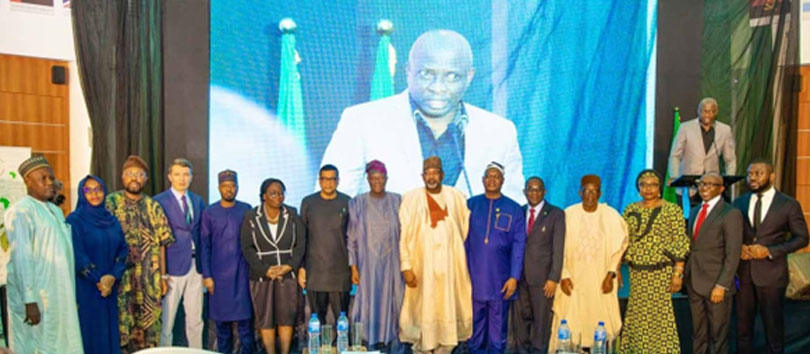
The organisations at a Stakeholders ‘Forum on Agroecology and Organic Agriculture in West Africa’, on Monday in Abuja said the collaboration is through the implementation of public policies and interventions that value the structural solutions provided by resilient practices derived from agroecology, organic farming and climate-smart agriculture.
President of the ECOWAS Commission, Dr Omar Alieu Touray, said the collaboration became necessary because food systems in West Africa are currently facing several and severe crises, including the effects of climate change.
He lamented that the conventional models of agricultural production adopted to date have shown little resilience to the effects of climate change and sometimes contribute to soil impoverishment, thereby exacerbating food insecurity, income depletion and the vulnerability of populations.
He said despite contributing very little to global warming, with just
1.8% of global greenhouse gas emissions, ECOWAS countries are at the heart of the climate change challenges facing the first half of the 21st century.
He also said the most pessimistic scenarios, between now and 2060, West Africa will experience a temperature rise of +2.3°C, i.e., a warming of +0.6°C per decade.
“The number of days of potentially lethal heat could reach 50 to 150 per year for a global warming of 1.6°C and 100 to 250 per year for a global warming of 2.5°C, with the greatest increases in coastal areas.
The risk of heat-related mortality is now 6 to 9 times higher than the 1950-2005 average at 2°C global warming,” Touray said.
The Country Director of ActionAid Nigeria, Mr Andrew Mamedu, said the forum was of strategic importance, especially as it provided an opportunity to share and analyse, with all the agricultural and political players in the region.
“The Strategic Partnerships for Agroecology and Climate Justice in West Africa (SPAC-West Africa) project, which spans three countries-Liberia, Nigeria, and Senegal- is currently demonstrating the power of agroecology in transforming the lives of women and young people across the region.
“This three-year project, funded by ActionAid International’s Transformative Impact Fund (TIF), seeks to improve the lives of 250,800 smallholder women farmers and young people, reaching over 1.5m household members. Its ultimate objective is to deliver food and nutrition security, climate-resilient livelihoods, and a transformed agricultural landscape across West African communities,” Mamedu said.
He noted the importance of the mechanisms and opportunities for increasing funding for the three approaches to sustainable agriculture, instruments that can be mobilised, their effectiveness and efficiency; and pragmatic support policies in the region.
ABOUT The CAAPs
The Common African Agro-Parks Programme (CAAPs) was initiated in 2019 as one of the concrete initiatives of the Comprehensive African Agricultural Programme (CAADP) to be implemented within the framework of the African Union (AU) Agenda 2063 in order to achieve the CAADP Malabo commitments, particularly the commitment to “triple intra-African trade in agricultural commodities and services.”
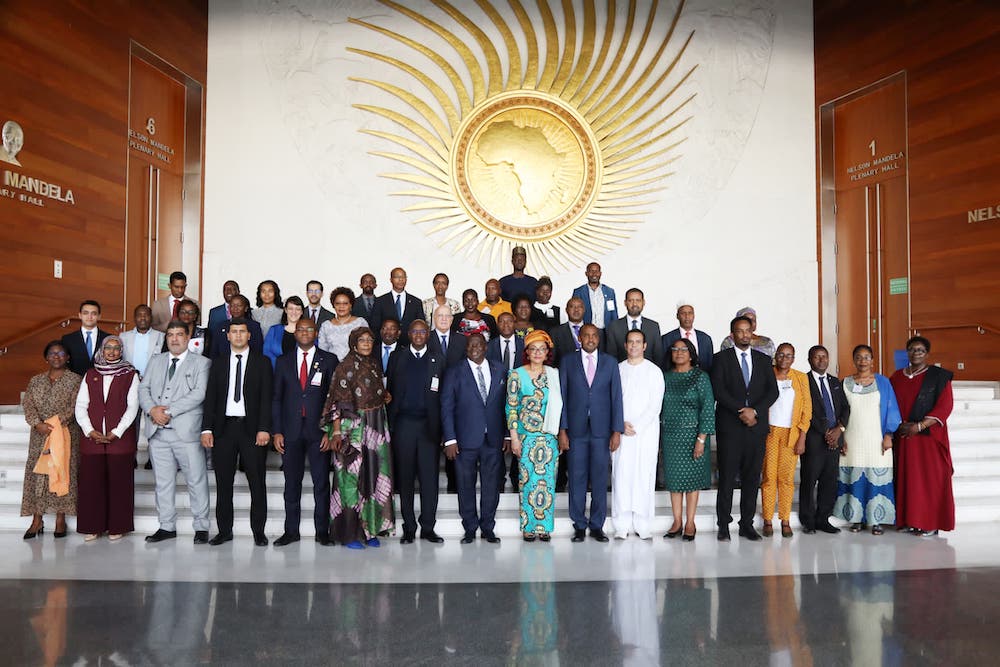
The Extraordinary Session of the African Union‘s Specialized Technical Committee (STC) on Agriculture, Rural Development, Water, and Environment (ARDWE) commenced with a gathering of AU leaders and prominent partners to discuss Africa’s agricultural future. Central to the session is the post-Malabo agenda, which includes initiatives such as the Common African Agro-Parks (#CAAPs) and the Soil Health Initiative for Africa (SIA).
In her opening address, H.E. Amb. Josefa Sacko, AU Commissioner for Agriculture, Rural Development, Blue Economy, and Sustainable Environment, called for urgent action to tackle challenges like food insecurity, climate change, and economic instability across Africa. “We are falling short of the Malabo Declaration targets and the Sustainable Development Goals on hunger and nutrition,” she remarked, urging for leadership and collaboration to realign Africa’s agricultural trajectory.
Representing the Regional Economic Communities (RECs), Dr. TABUNA Honoré, ECCAS Commissioner for the Environment, Natural Resources, Agriculture, and Rural Development, praised Amb. Josefa Sacko’s leadership. He underscored the need for a united African-led approach to meet the continent’s agricultural goals, emphasizing that many member states lag in achieving the Malabo Declaration’s aims.
Uganda’s Minister for Agriculture, Animal Industry, and Fisheries, Hon. Frank Tumwebaze, Chair of the STC, stressed the importance of a focused, action-oriented post-Malabo agenda. “We need actionable commitments from all member states to ensure food security and agricultural transformation for all Africans,” he stated.
A major point of discussion was the Africa Food Safety Agency, proposed for endorsement during this session. Amb. Josefa Sacko highlighted its importance to the African Continental Free Trade Area (AfCFTA), ensuring that African agricultural products meet global standards.
The session will continue with critical discussions among African Ministers, development partners, and stakeholders, with outcomes setting the stage for the African Union Special Summit in January 2025 in Kampala, Uganda.
_________________
ABOUT The CAAPs
The Common African Agro-Parks Programme (CAAPs) was initiated in 2019 as one of the concrete initiatives of the Comprehensive African Agricultural Programme (CAADP) to be implemented within the framework of the African Union (AU) Agenda 2063 in order to achieve the CAADP Malabo commitments, particularly the commitment to “triple intra-African trade in agricultural commodities and services.”
The Ministerial Segment of the Extraordinary Session of the Specialized Technical Committee (STC) on Agriculture, Rural Development, Water, and Environment (ARDWE) opened today with powerful interventions from African Union leaders and partners, as they gathered to deliberate on the future of Africa’s agricultural transformation. With a strong focus on post-Malabo initiatives, including the Common African Agro-Parks #CAAPs and the Soil Health Initiative for Africa (SIA), the session also paid tribute to the leadership of H.E. Amb. Josefa Sacko, AU Commissioner for Agriculture, Rural Development, Blue Economy, and Sustainable Environment.
AUC-DARBE Commissioner H.E Amb. Josefa Correia Sacko
In her opening address, Amb. Sacko emphasized the urgent need for Africa to address critical challenges such as food insecurity, climate change, and economic shocks. “We are not on track to meet the targets of the Malabo Declaration or the Sustainable Development Goals related to hunger and nutrition. However, with the right leadership and continued collaboration, we can reverse this trajectory,” she stated. Amb. Sacko also celebrated the collaborative spirit of African leaders, expressing optimism that the continent can realize its agricultural potential through strong political will and partnerships.
Dr. Honore Tabuna,Commissioner for the Environment, Natural Resources, Agriculture and Rural Development of the Economic Community of Central African States (ECCAS)
In an impassioned statement, Dr. TABUNA Honoré, Commissioner for the Environment, Natural Resources, Agriculture and Rural Development of the Economic Community of Central African States (ECCAS), spoke on behalf of all the Regional Economic Communities (RECs) of the African Union. He lauded Amb. Sacko for her dynamic leadership and enormous contributions during her tenure, noting her courage and commitment to driving Africa’s agricultural agenda forward. Dr. TABUNA also voiced concerns about the poor progress of many African member states in achieving the goals of the Malabo Declaration. He emphasized the need for a more coordinated, African-led approach to ensure the successful realization of the targets outlined in the post-Malabo agenda.
“The RECs are concerned by the slow progress in meeting the continental goals enshrined in the Malabo Declaration. We call for stronger cooperation and leadership from African states to ensure that the post-Malabo framework achieves its intended goals,” Dr. TABUNA stated, urging for deeper collaboration between national governments, RECs, and the African Union to drive more tangible results.
Hon. Frank Tumwebaze, Minister for Agriculture, Animal Industry and Fisheries of Uganda
The Chair of the STC, Hon. Frank Tumwebaze, Minister for Agriculture, Animal Industry and Fisheries of Uganda, echoed these sentiments, stressing the importance of an actionable post-Malabo process. “The post-Malabo agenda must not remain a set of aspirations on paper; we need actionable plans and commitments from every member state to drive agricultural transformation and ensure food security for all Africans,” Hon. Tumwebaze remarked.
Amb. Sacko also reflected on the critical importance of the Africa Food Safety Agency, which is being considered for final endorsement during this session. “The operationalization of the Africa Food Safety Agency is integral to our goals under the Africa Continental Free Trade Area (AfCFTA),” she said. “It will play a pivotal role in ensuring that our agricultural products meet international standards, opening doors for global market access.”
As the conference continues, African Ministers, development partners, and key stakeholders will deliberate on key policy decisions that will shape the future of Africa’s agricultural landscape, paving the way for the AU Special Summit in January 2025 in Kampala, Uganda.
Nigerian ministers gathered in Abuja with state representatives and other stakeholders to push for accelerated delivery of the SAPZ program in Nigeria. October 2024
The African Development Bank Group has reached an agreement with participating Nigerian state governments to speed up implementation of a program designed to develop eight new agro-industrial zones in the country. The agreement emerged from a two-day meeting in Abuja, on 7 – 8 October, attended by senior government and bank officials and representatives of financing partners and the private sector.
The Nigeria Special Agro Industrial Processing Zones (SAPZ) program, launched in 2022, aims to create new hubs that integrate the production, processing and distribution of targeted crops and livestock to achieve food security, increase incomes, improve livelihoods, and support economic diversification. By significantly reducing dependence on food imports and boosting exports, SAPZs are expected to boost the country’s foreign exchange reserves.
To implement the first phase of the SAPZ project in seven states and the Federal Capital Territory, the program has mobilized $538m in co-financing from the African Development Bank Group, the International Fund for Agricultural Development (IFAD), the Islamic Development Bank (IsDB) and the Federal Government of Nigeria.
Nigeria’s Minister of Finance and the Coordinating Minister of the Economy, Wale Edun who attended the meetings, said, “With inflation coming down, the reserves growing and the exchange rate stabilizing, success is being seen under the macroeconomic stabilization efforts of President Bola Tinubu. That is why the SAPZ program cannot and must not disappoint.”
Minister of Agriculture and Food Security, Abubakar Kyari, said, “The need to align all our efforts at the federal and state levels as well as with our development partners is germane, so that the momentum we gain here translates into tangible outcomes for the target beneficiaries, particularly those in rural areas where the SAPZs will have their greatest impact.”
According to the Director General of the African Development Bank’s Nigeria Country Department, Dr. Abdul Kamara, the meetings were aimed at strengthening collaboration among key stakeholders, including the private sector. Participants shared ideas and lessons learned, goals, and agreed on practical next steps to accelerate the implementation of Phase 1 of the program. The next phase of the programme will expand to include other state governments.
Emphasising the urgency of overcoming delays that have dogged program implementation, the Senior Special Adviser to the Bank President on Industrialisation, Prof. Banji Oyelaran-Oyeyinka, said the rapid implementation and take-off of SAPZs provides a solution to the declining contribution of manufacturing and manufacturing exports to Nigeria’s GDP.
The second day of the meeting featured a workshop that brought together officials from the federal and state governments, representatives of partner institutions, and private sector investors to discuss the program’s financial, procurement and operational processes, as well as an accelerated implementation plan. The federal and state governments committed to implementing transparent and competitively driven procurement processes, including the independent selection of vendors.
The sessions, moderated by Dr. Victor Oladokun, Senior Advisor on Communications and Stakeholder Engagement to the president of the African Development Bank, also provided a platform to highlight the complementary roles of stakeholders. While governments and financing institutions are expected to play a catalytic role, the private sector will focus on investing in the construction and operation of the key components of the zones: Agro Industrial Processing Hubs (AIHs) and Agricultural Transformation Centres (ATCs).
The first phase of the Nigeria SAPZ program is expected to unlock about $1 billion in private sector investments, benefiting an estimated 1.5 million households, including private agribusinesses, agro-processors, smallholder farmers, agripreneurs, and agrodealers, and creating a minimum of 400,000 direct jobs and 1.6 million indirect jobs, especially for women and youth.
ABOUT The CAAPs
The Common African Agro-Parks Programme (CAAPs) was initiated in 2019 as one of the concrete initiatives of the Comprehensive African Agricultural Programme (CAADP) to be implemented within the framework of the African Union (AU) Agenda 2063 in order to achieve the CAADP Malabo commitments, particularly the commitment to “triple intra-African trade in agricultural commodities and services.”
African Export-Import Bank (Afreximbank) has approved a US$20.8 million financing facility for Nigeria-based Starlink Global & Ideal Limited to enable the company construct and operate a 30,000-metric tonne per annum cashew processing factory in Lagos.
According to the facility agreement signed in on July 22, 2024, Afreximbank will provide the funds in two tranches with the first tranche of US$7.48M going toward capital expenditure for the construction of the factory and the second, totalling US$13.25M to be deployed as working capital for the operations of the factory.
The facility is expected to promote value addition which will guarantee increased earnings to the company while also fostering the creation of about 400 new jobs once the factory becomes operational. It is also expected to support about 40 small and medium-sized enterprises.
Commenting on the transaction, Mrs. Kanayo Awani, Executive Vice President, Intra Africa Trade and Export Development, Afreximbank, said that by supporting Starlink Global to establish a modern processing facility, Afreximbank is making it possible for Africa to add value to its agro-commodities, thereby facilitating exports and subsequent inflow of much-needed foreign exchange into the continent.
“We are delighted at this partnership which promises to deliver significant impact on employment in Nigeria. It will contribute to value creation and to the development of the local community while also improving the lots of smallholder farmers and small business suppliers that will work with Starlink across the value chain,” Mrs. Awani added.
ABOUT The CAAPs
The Common African Agro-Parks Programme (CAAPs) was initiated in 2019 as one of the concrete initiatives of the Comprehensive African Agricultural Programme (CAADP) to be implemented within the framework of the African Union (AU) Agenda 2063 in order to achieve the CAADP Malabo commitments, particularly the commitment to “triple intra-African trade in agricultural commodities and services.”
The need for Uganda to increase investments in agro-based industries to spur economic growth came into sharp focus at the Regional Industrialization Conference held from 24th to 25th September in Kampala, Uganda.
In a keynote address at the conference, the AGRA Uganda Country Director, Mr. David Wozemba, highlighted the important role of agro-industrialization in promoting economic development in the country. He noted that AGRA’s areas of work are integrated, allowing it to contribute to fostering a sustainable food system that creates long term impact.
The two-day conference brought together policymakers, development partners, and industrialization experts to explore climate smart solutions for sustainable industrialization.
He noted that despite agriculture’s declining contribution to GDP, now at 24% compared to 50% in 1995, the sector remains crucial to the economic growth of the country as it employs about 70% of Uganda’s working population. Mr. Wozemba noted that agro-industrialization has the potential to address unemployment, boost exports, and ensure food security. This requires investment in food processing and packaging industries to address shifting consumer demands to capture emerging market opportunities.
The conference comes at a time when the government has begun implementing the Parish Development Model (PDM), an initiative aimed at stimulating economic growth, by channelling resources to the parish level to empower local communities to identify and develop their own ventures based on local resources and market demands.
The Minster of State for Investment and Privatization, Hon. Evelyn Anite, who was the chief guest at the conference, noted that, PDM is designed to provide local communities at parish level with increased access to credit, improved inputs, and training on modern farming practices to improve livelihoods and create employment opportunities at a local level. “PDM is expected to boost agricultural production and encourage value addition at the local level which will increases farmers’ incomes and strengthen the agricultural value chains, in the long run,” Hon. Anite said.
However, Mr. Wozemba noted that PDM is still facing challenges, including data gaps and the need for comprehensive community and market profiling that requires adequate funding.
He observed that the key to Uganda’s economic strategy is diversifying agricultural exports beyond primary commodities to enhance the country’s economic resilience and competitiveness on a global scale.
He emphasized the importance of skills development, entrepreneurship promotion, and a supportive policy environment to actualize the employment opportunities.
Mr. Wozemba called for collaboration between policymakers, private sector actors, and development partners to address challenges such as inadequate infrastructure and market access. “As development partners, we seek strategic alignment between national plans and investments that foster job creation, poverty reduction, and food security,” he noted.
As a call to action, he asked stakeholders to urgently rationalize and prioritize the value-chains that are the focus of the future national agro-industrialization efforts under the 4th National Development Plan (NDP IV). “Large and persistent agricultural productivity gaps, in almost all agricultural enterprises, must be narrowed if adequate raw materials are to be made available to existing and planned agro-industries,” Mr Wozemba said.
He called for clarity on the appropriate role of Government of Uganda in promoting agro-industrial sector growth. “There is need for increased budgetary support to create a more-enabling environment, including electricity grid expansion, land tenure security, effective regulatory environment for agricultural inputs, cost-effective agricultural research and extension, testing facilities”. He also emphasized the need to urgently address the uncertain state of agricultural and agro-industrial sector statistics.
ABOUT The CAAPs
The Common African Agro-Parks Programme (CAAPs) was initiated in 2019 as one of the concrete initiatives of the Comprehensive African Agricultural Programme (CAADP) to be implemented within the framework of the African Union (AU) Agenda 2063 in order to achieve the CAADP Malabo commitments, particularly the commitment to “triple intra-African trade in agricultural commodities and services.”