Joint Press Release by AUC, AUDA, FARA, COMESA, & FAO
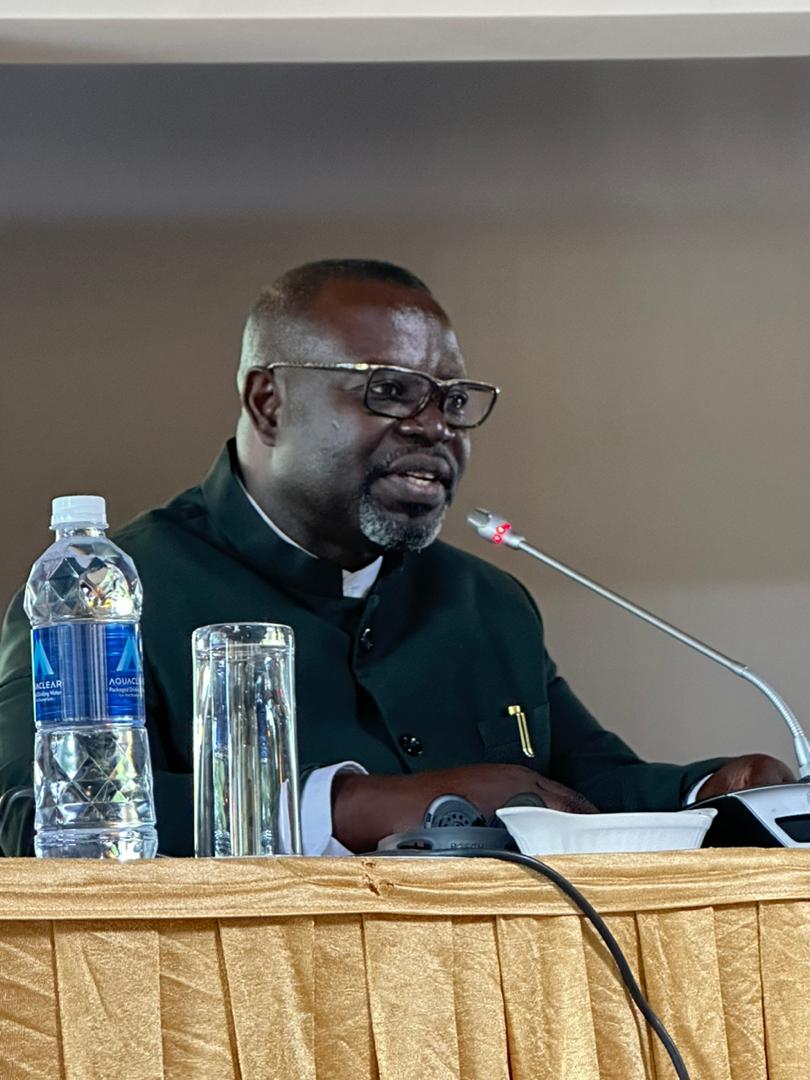
Lusaka, Zambia – October 17, 2023: Regional Economic Communities in Africa are set to meet this week to drive forward a proposal for mega agro-industrial hubs across the continent that would boost agricultural development. The Common African Agro-Parks (CAAPs) are aimed at boosting regional trade for agricultural commodities, increasing local processing of key agricultural products and reducing food import. This significant event will occur from October 18 to 21, 2023, at the COMESA headquarters in Lusaka, Zambia, with support from the Food and Agriculture Organization of the United Nations (FAO) through its Technical Cooperation Programme (TCP).
Partners participating in the meeting include the Africa Union Commission, the African Union Development Agency, the Common Market for Eastern and Southern Africa, the Food and Agriculture Organization, United Nations Industrial Development Organization, United Nations Economic Commission for Africa, the Pan-African Agribusiness Chamber, the Pan-African Farmers Organisation, the Africa Business Council, IFPRI, African Continental Free-Trade Area, Afreximbank, African Development Bank and the CAAPs Secretariat hosted by the Forum for Agricultural Research in Africa. The rest are country representatives from Zambia and Zimbabwe, key private sector players such as Bühler Group, Grüner, BRICS as well as the World Food Programme.
The Third Ordinary Session of the Specialized Technical Committee (STC) on Agriculture, Rural Development, Water and Environment, held on 21-25 October 2019 in Addis Ababa, widely discussed the benefits of agro-industrialization to the continent and resolved to adopt the Common African Agro-Parks (CAAPs) as a programme contributing to the implementation of the African Continental Free Trade Area (AfCFTA). The CAAPs Programme was finally ratified as a flagship initiative of the AU Agenda 2063 during its 36th Summit in February 2023.
The CAAPs initiative aims to create transboundary mega agro-industrial hubs across Africa. This ambitious endeavour falls within the Comprehensive African Agricultural Programme (CAADP) framework and the AU Agenda 2063. Its overarching objective is to drive the industrialization strategy of African governments and RECs, transforming economies from traditional raw material exporters to agro-industrial powerhouses.
Despite Africa’s abundant fertile land and a burgeoning young workforce, the continent spends approximately USD 50 billion ($50b) annually importing food commodities.
The CAAPs program seeks to reverse this trend by promoting cross-border agriculture value chains, attracting private sector investments in agro-industrialization, and establishing sustainable cross-border policies within the context of the African Continental Free-Trade Area (AfCFTA).
Over four days of intensive interaction, the Directors of RECs and CAAPs Technical Working Groups (CAAPs-TWG) Experts will strengthen collaboration, build synergies and draw actions to accelerate the implementation of this initiative.
Firstly, they will raise awareness among RECs about CAAPs, facilitating subsequent sensitization of AU Member States and fostering a knowledge exchange regarding regional agro-industry development within the AfCFTA framework.
Also, they will solicit feedback from RECs regarding the CAAPs process, necessary infrastructure, governance, and legal models, and the AfCFTA instruments vital for creating a conducive business environment for transboundary Public-Private Partnerships (PPPs) in CAAPs.
Again, they will deliberate on the mapping exercise for future agro-industrial development in Africa, with a practical case study of the ZimZam CAAPs location. RECs are expected here to propose locations for the 10 CAAPs Demonstration Projects ( 2 per region) and for the 5 larger CAAPs (one per region) envisioned by the African Union.
Finally, they will forge a harmonized process for RECs’ engagement with countries and stakeholders within their respective regions, including the private sector and regional banks, to prepare for CAAP implementation.
At the end of the four days meeting, participants would have (i) compiled feedback from RECs on the CAAPs process, infrastructure models, and the required legal instruments for joint governance and PPPs in transboundary settings within the AfCFTA context; (ii) agreed on a harmonized process for engagements with countries; (iii) compiled and validated feedback of criteria for mapping future transboundary agro-industrial development zones in Africa; (iv) developed a joint roadmap for rolling out CAAPs in AU Member States; and (v) developed action plans for joint resource mobilization and partnership engagement among RECs to develop CAAPs.
This Inaugural Coordination Meeting marks a pivotal moment in Africa’s agricultural and industrial transformation pursuit. By fostering collaboration and knowledge sharing among regional economic communities, this event lays the foundation for a sustainable, prosperous, and food-secure future for the continent.
The African Union Development Agency-NEPAD (AUDA-NEPAD) is the development agency of the African Union, promoting partnerships for the transformation of Africa as an integrated, prosperous, and peaceful continent.
The Common Market for Eastern and Southern Africa (COMESA) is a regional economic community of 21 member states. It brings together over 600 million people into a cooperative framework for sustainable economic growth and prosperity through regional integration.
The Common African Agro-Parks Programme (CAAPs) is an African Union Commission (AUC) initiative to establish transboundary mega agro-industrial hubs across Africa to drive industrialization and food security. It is hosted by the Forum for Agricultural Research in Africa (FARA), an apex continental technical institution of the AUC headquartered in Accra, Ghana.
The Food and Agriculture Organization (FAO) is a specialized agency of the United Nations that leads international efforts to defeat hunger. FAO currently provides institutional support to the CAAPs Secretariat, hosted by FARA, to coordinate stakeholders’ consultations and leadership engagement for greater ownership of the CAAPs; formalize partnerships with the technical partners for the design and establishment of the CAAPs; and to build the capacity of stakeholders to support the decision-making process at the various African Union organs.
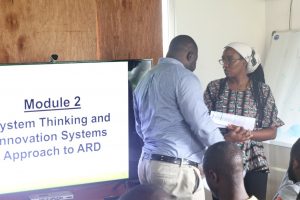
The Forum for Agricultural Research in Africa (FARA) as lead institution of the Capacity Development and Technology Outreach (CDTO) compact and the Cassava Compact led by the International Institute of Tropical Agriculture (IITA), within the context of the Technologies for African Agricultural Transformation (TAAT) Programme, funded by the African Development Bank (AfDB), are currently building the capacity of key stakeholders in the Cassava Value chain in the DR Congo in a three-day Training of Trainers on Innovation Platforms and outreach strategies for scaling proven agricultural technologies. As the Cassava Compact trains participants on key technologies, including the Semi-Autotrophic Hydroponics (SAH) technology of cassava, the CDTO mainstreams Innovation Platform (IP) and outreach strategies for technology delivery and business development.
Participants are drawn from the National Agricultural Study and Research Institute (INERA), the Ministry of Agriculture (MiNAGRI). The in-country facilitators of existing innovation platforms will be equipped with the knowledge and skills needed to facilitate the growth of the cassava industry in the Democratic Republic of Congo. These include technologies and opportunities for scaling to the last mile using tools and approaches developed by FARA over the past decade. According to the FAO, the DR Congo is the second largest producer of Cassava in Africa, only next to Nigeria. Therefore, there is a need to strengthen this comparative advantage to enable the country to sustain the gains made over the years.
At the end of the workshop, the TAAT initiative would have strengthen capacities of a network of digitally connected farmers with Innovation Platform thinking and enabling farmers adopt best practices and improve their productivity and profitability; fostered collaboration, knowledge exchange, and innovation within the relevant cassava sector, especially the SAH technology; reviewed Innovation Platforms, their market readiness and development of an inclusive business model; and mainstreamed the Agri-Business Learning Alliance (ABLA) instruments within agriculture innovation system.
Facilitators from FARA include Dr. Abdulrazak Ibrahim, Institutional Capacity and Futures Cluster Leader and TAAT-CDTO Coordinator, Mr. Benjamin Abugri, Knowledge Management, Learning and Communications Cluster Leader and Ms. Karen Munoko, Agribusiness and Gender Expert. Dr. Adebayo Abass, the TAAT Cassava Compact Leader, Dr. Najimu Adetoro, and Ms. Angelique Kajibwami, both experts in the SAH technology, facilitated the training from the IITA side.
(Gbarnga City Bong County)–Liberian fish farmers are undergoing training in better management practices in aquaculture and aqua-business. The two- day Agribusiness Workshop is gear towards strengthening Aquaculture Innovation platforms and market-Led Growth.
The training which is taking place at the Central Agriculture Research Institute in Bong County is being facilitated by WorldFish and the Forum for Aquaculture Research in Africa, (FARA).
Making remarks at the start of the two days technical training Thursday October 5, 2023, the Deputy Director General for Technical Services at the Liberian Fisheries Authority (NaFAA) says the government of Liberia will at all times develop the technical skills of fish farmers to enable them become productive and bring about marketable transformation within the aquaculture sector.
Photo Caption: Karen Munoko Agribusiness Specialist from FARA lecturing aquaculture stakeholders at the Central Agriculture Research Institute CARI in Bong
The NaFAA Deputy Director General for Technical Services informed the participants that, there are robust legal regime to adequately address the needs of establishing and operating Aquaculture & Inland Fisheries in Liberia.
Hon. Boeh mentioned that technical innovation in fish farmingas well as Inland fishery sector has the potential to link farmers to the various markets to supply fish and earn profits.
He also encouraged the stakeholders to fully utilize the knowledge and skills that would be acquired within the next two days for the benefit of individual participants and fish farmers in general.
At the same time, the Director of Aquaculture and Inland Fisheries, Mr. Zizi A.S. Kpadeh has cautioned the participants to focus on fish feed as it is the single most expensive operational cost. Mr. Kpadeh declared, “if you want to make money, you should buy quality feed and have a well-trained and dedicated feeder.”
Photo Caption: Director of Aquaculture and Inland Fisheries, Mr. Zizi A.S. Kpadeh and Karen Munoko Agribusiness Specialist of FARA
Moreover, the workshop is being financed by the African Development Bank through WorldFish and the Forum for Agricultural Research in Africa, (FARA) under the program Transformation of Africa Agricultural Technology, (TAAT) and it is also facilitated by WorldFish and FARA.
Facilitators from WorldFish at the two days workshop include Prof. Bernadette Fregene (TAAT Fish Compact Leader), Babatunde Mercy (Account Assistant) and Akuwa Elizabeth (M$E).
At the same time, the Forum for Aquaculture Research in Africa (FARA) is represented at the two days Aquaculture workshop by Karen Munoko Agribusiness Specialist and Johnson Ukpong Finance Manager as facilitators.
Meanwhile, the participants at the Aquaculture stakeholders’ workshop are from Montserrado, Margibi, Bong, Bomi, Lofaand Nimba counties respectively. They are also from several institutions and organizations including the Central Agricultural Research Institute (CARI), The Bong County Aquaculture and Inland Fisheries Federation , the University of Liberia,Department of Aquaculture and Fisheries Science, Bong County Aquaculture Cooperative Society, Lofa County Aquaculture Cooperative Society , Nimba County Aquaculture Cooperative Society, Cottington University College of Agriculture and Sustainable Development, Faimaba Fisheries Development Cooperatives, BRAC Liberia and other private farmers.
FARA participated in a capacity-building workshop on domesticating the African Union (AU) strategic framework for holistic aflatoxin control from 02-03 October 2023 in Lusaka, Zambia.
Convened by the African Union Commission (AUC), the meeting was part of the activities of the Partnership for Aflatoxin Control in Africa (PACA), a program of the AUC, which was launched in October 2012 as endorsed by the African Union Executive Council through Decision No. EX.CL/768 (XXII), to coordinate and support aflatoxin mitigation and management across Africa’s health, agriculture, and trade sectors.
The objective of the meeting was to raise awareness of the PACA aflatoxin country-led model and the tools within the Strategic framework for implementation at the regional and country levels. It also served as a platform for taking stock of successes and challenges in implementing the country-led model.
Member States, including Malawi, Nigeria, Senegal, and Tanzania, shared lessons and good practices as experiences in scaling the model across the continent were shared.
The two-day meeting saw interventions from research, academia, parliamentarians, and the private sector, with participants recognizing the problem of aflatoxin contamination as a major challenge for agricultural productivity, trade and public health in Africa.
Significant highlights of the meeting include the presentation of conceptual framework and econometric models for economic impact assessment of aflatoxins by Dr Chibundu Ezekiel and Data collection, analysis and sampling for aflatoxin surveillance in Africa by Prof. Limbikani Matumba of LUANAR. Participants were exposed to the spate of aflatoxin contamination in Africa and its debilitating impact on the agri-food system based on findings from Country-led Situation Analysis and Action Planning (C-SAAP). An outline of a Pan-African analysis and harmonization protocol leveraging FAO’s mycotoxin sampling tool was also discussed for adoption and utilization.
Speaking during a panel discussion in the meeting, Hon. John Frimpong Osei, Chair, Agriculture Committee, Select Committee on Food, Agriculture and Cocoa Affairs in Ghana, shared experience on the role of parliamentarians and their engagement with government in the control of Aflatoxin.
Building on a presentation on lessons from the country by Mrs. Faustina Atupra, Ag. Director, Food Safety and Consumer Education Directorate, Food and Drugs Authority, Ghana, Hon. John Frimpong Osei, encouraged the AUC and PACA to deepen their engagement with sector ministries to facilitate the adoption of a holistic approach to controlling Aflatoxin.
Through research, science and technology, and collaborative efforts, significant progress has been made in mitigating the risks of aflatoxin contamination. However, much more needs to be done. Practical action plans should include a combination of technical solutions, policy interventions, and awareness-raising efforts to ensure sustained success in aflatoxin control.
From 25 to 29 September 2023, a CORAF delegation, consisting of the Head of Knowledge Management, Ms Poko Alida Nadinga and the Head of IT Mr Ababacar Diouf, embarked on a benchmarking mission to learn about FARA’s knowledge management system. The team was welcomed to the FARA Secretariat in Accra, Ghana, by the Head of Human Resources and Administration, Ms Ama Pokuah Asenso, on behalf of the Executive Director, Dr Aggrey Agumya.
Mr Ababacar DIOUF and Ms Poko Alida NADINGA
The FARA team, consisting of the Lead specialist from the Knowledge, Learning and Communication Management Unit, Mr Benjamin Abugri, the IT Manager, Mr Francis Kpodo and the Web Designer, Mr Gabriel Quansah, provided an overview of FARA and its role as a continental institution. The technical sessions focused on the operational infrastructure and products of the FARA knowledge management system, including the virtual knowledge hub christened FARADataInformS, the directory of experts, the digital archiving system, and the community of practice. The team also seized the opportunity to examine the technological architecture supporting these different knowledge management platforms.
It is important to note that as part of the implementation of the CAADP XP4 programme, FARA is responsible for developing the continental Agricultural Research for Development (AR4D) directory of experts and transferring the West and Central Africa’s management of experts to CORAF and the lead Sub-Regional Agricultural Organization. In addition, FARA intends to work with CORAF to revitalize its knowledge management system through experience sharing and technical assistance.
CORAF has affirmed its commitment to support FARA in strengthening data security and integrity to ensure the protection of key knowledge generated over the years. To this end, a FARA delegation will visit Dakar to inspect CORAF’s entire technological infrastructure, including the data centre and security platforms. This mission will also serve as a framework for presenting and validating the expert directory tool and training the CORAF team in its use.
A team of Knowledge Management and IT Experts from FARA and CORAF
The two teams have developed a joint action plan to ensure better follow-up of the actions and recommendations resulting from this knowledge-sharing mission.
The two organizations, through a letter of agreement signed, will continue to leverage each other’s strengths in Knowledge Management, Information technology and monitoring and evaluation to accelerate the achievement of the CAADP Malabo targets and support the African farmer and related actors, to realize their highest potentials.
Join the Continental Experts Directory
This mission is made possible mainly through the vision of the two eminent leaders of FARA and CORAF, Dr Aggrey AGUMYA, Executive Director of FARA, and Dr Abdou TENKOUANO, Executive Director of CORAF, who are committed to improving knowledge management in the agricultural research sector for a better future for the people of Africa.
This Request for Expression of Interest (REOI) follows the General Procurement Notice for this Project that appeared on the African Development Bank Group’s Internet Website(www.afdb.org) 12th August 2022.
The International Institute for Tropical Agriculture (IITA) has received financing from the African Development Fund toward the cost of the Technologies for African Agricultural Transformation (TAAT) Phase II and intends to apply part of the agreed amount for this grant to payments under the contract for TAAT CDTO Compact Accountant who will be based in Accra, Ghana.
The Consultant will be a member of the CDTO Compact Team shall oversee the preparation and maintenance of timely and accurate financial statements and reports per the bank regulations and accounting principles; maintain complete record of all-important project documents and coordinate with project leaders to ensure adherence to the financial implementation aspects of the project agreement, clarify financial issues, answer queries, and give updates on the financial status of the project; monitor funds utilization of projects and schedule of instalments to ensure readily available up to date funding status information necessary for management decision-making; in collaboration with the project Coordinator, draw up quarterly, semi-annual or annual budgets in line with the overall project activities, operational and procurement plans as per grant’s requirements and monitor expenditure to avoid over-expenditure of allocations; participate in the annual budgeting and planning process; handle accounting treatment and financial transaction with respect to disbursements to project collaborators and partners, as needed; review and verify adherence to budgetary requirements of expenditure of projects and ensure proper recording of valid transactions during the month-end and year-end closing of books; produce reports, statements and schedules for audit purposes; in close collaboration with the TAAT CDTO Coordinator, manage cash-flow and prepare cash-flow forecasts in line with the workplan; provide bank reconciliation status as required; maintain advances and asset registers related to the project; analyse the variances against approved budgets monthly and determine the main reasons for major variations and discuss corrective steps with the Budget-holder and Finance Manager; document project procurement of goods and services and management of property and equipment in keeping with donor rules and procedures; prepare, to the satisfaction of the donor, initial advance to the Special Account and subsequent replenishments and justification for expenditure from special account required for the smooth implementation of the project; facilitate collection of financial and technical supporting documents during audit and respond to queries in relation to financial documents; liaise with Contracts and Grants Unit on donor report deadlines and submission; responsible for the Risk Management of area of activities; develop and maintain a system for evaluating/ monitoring contracts and ensure strict compliance with AfDB financial contractual obligations; coordinate the transfer of funds per established agreements and schedules; perform any other duties which may be assigned from time to time by the immediate supervisor.
The selected candidate will report to the Coordinator TAAT CDTO Compact and the assignment shall be for an initial period of One (1) year and subject to renewal with satisfactory performance.
The consultant is expected to commence work on 1st November 2023.
The selected candidate should possess a Bachelor’s degree or equivalent in accounting or related fields; full Professional accounting qualification i.e. CPA, ACCA or CA; 5 Years of working experience on AfDB or a related multilateral development project and donor project financial management; familiarity with the AfDB funding mechanisms; international development and current issues in international aid and finance mechanisms; excellent knowledge of fund accounting, including reporting requirements of development partners; demonstrable skills in the development, monitoring and evaluation of finance and accounting policies and procedures; excellent organizational and communication skills.; demonstrable experience in planning and strategic thinking with strong analytical and problem-solving skills; highly professional in outlook and approach, tenacious and results focused with a commitment to and passion for quality and integrity; experience in multi-cultural environment with proficiency in English and/or French with a working understanding of the other; good knowledge of agricultural research for development in Africa is desirable.
FARA now invites eligible individual candidates to indicate their interest in providing these services. Interested consultants must provide information indicating that they are qualified to perform the services (including their detailed CV and letter of motivation detailing past related experience similar to this assignment.).


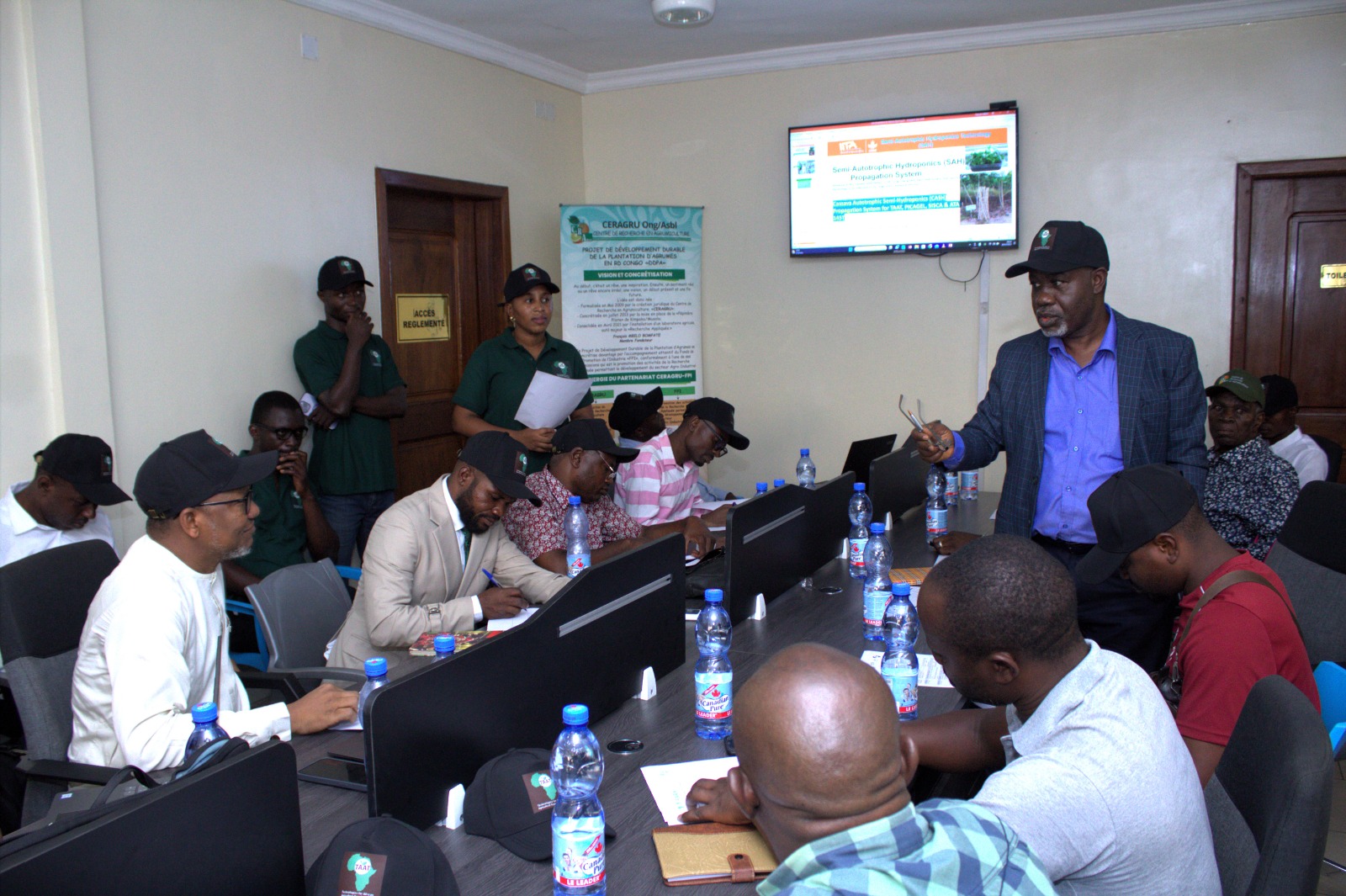
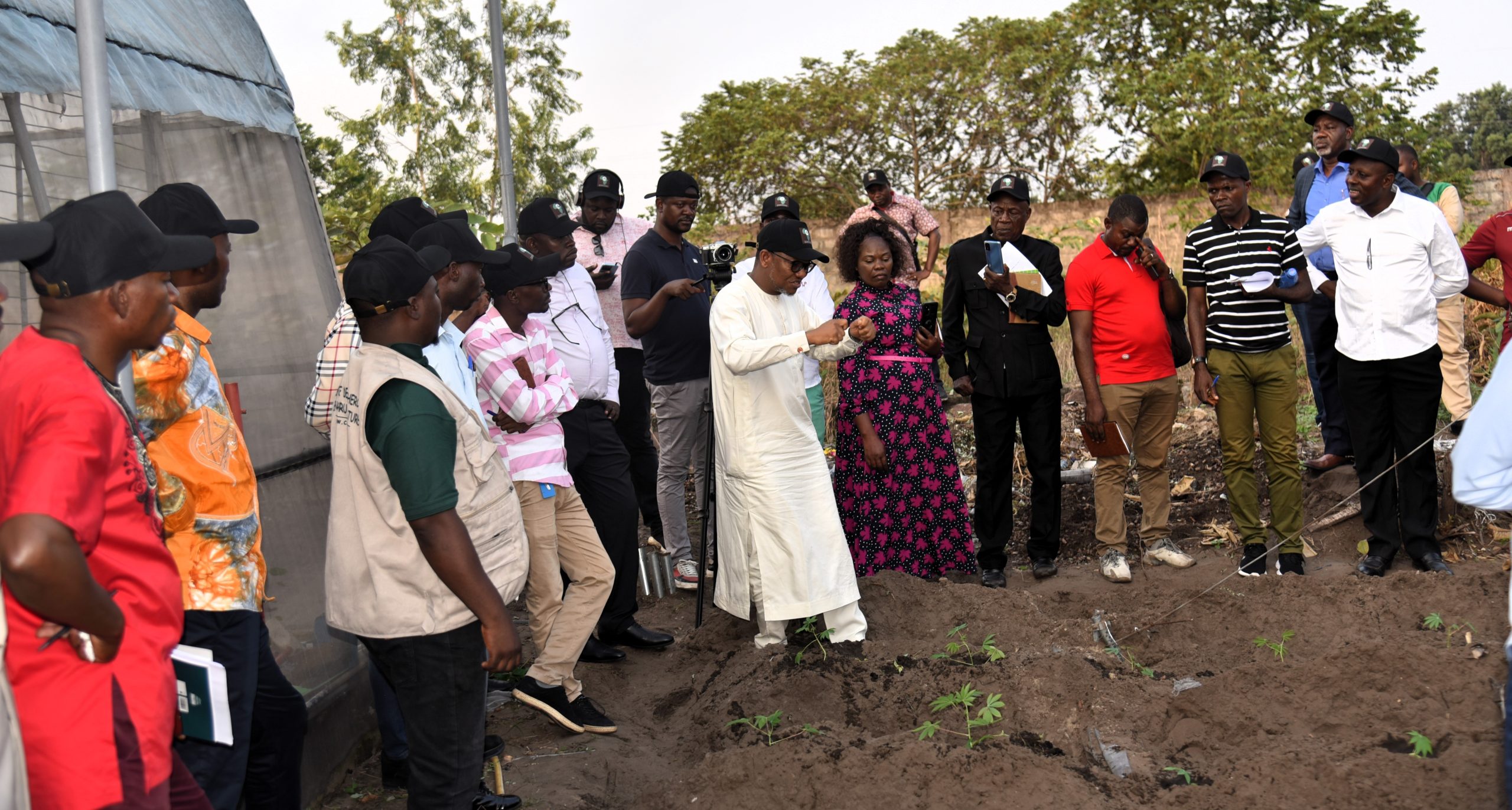
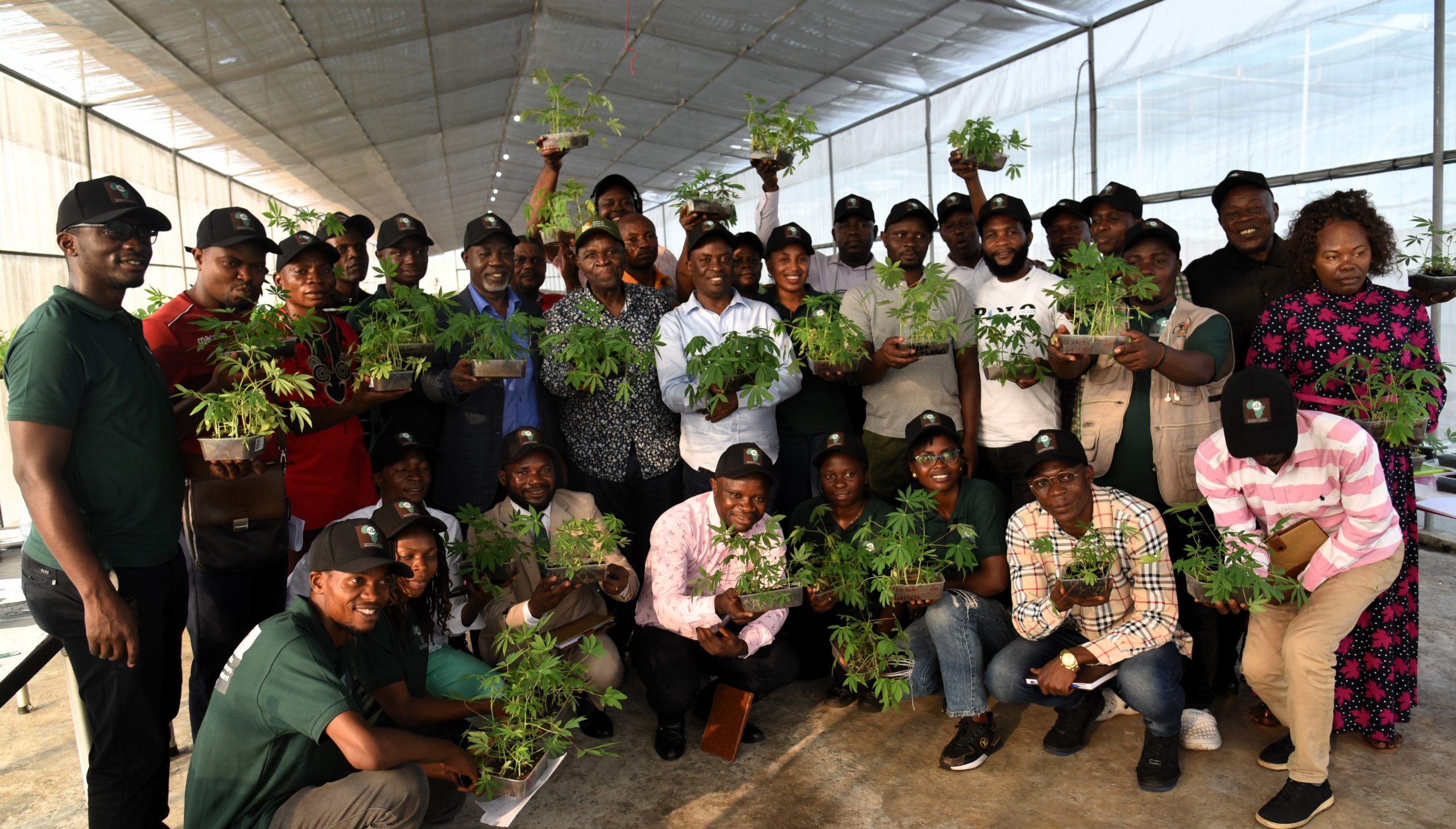

 Photo Caption: Karen Munoko Agribusiness Specialist from FARA lecturing aquaculture stakeholders at the Central Agriculture Research Institute CARI in Bong