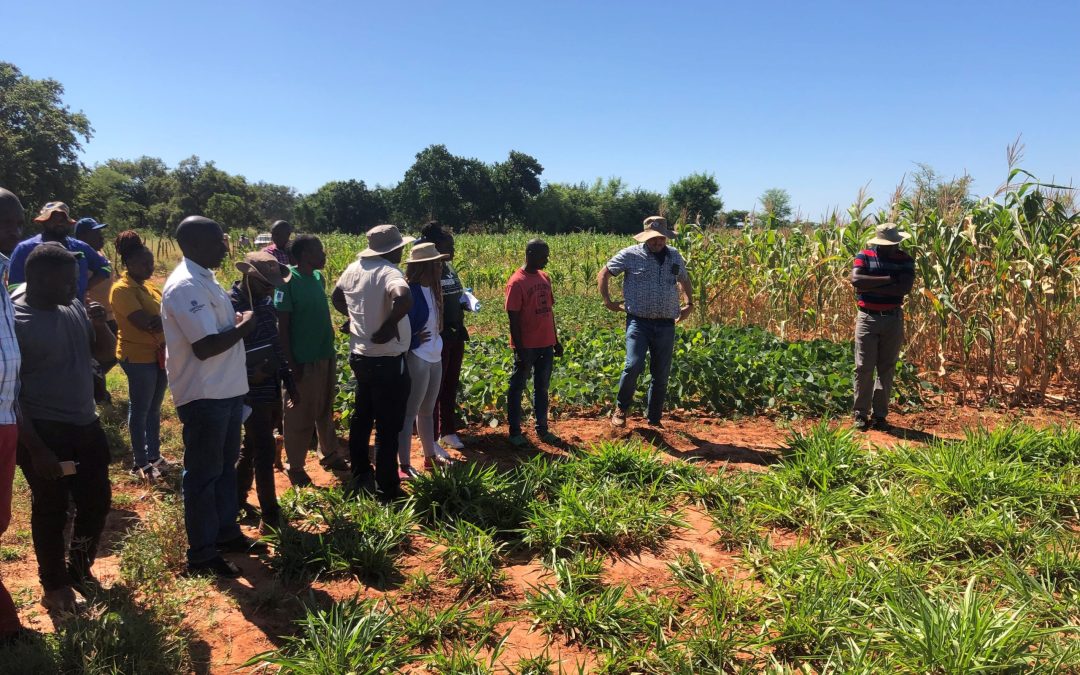
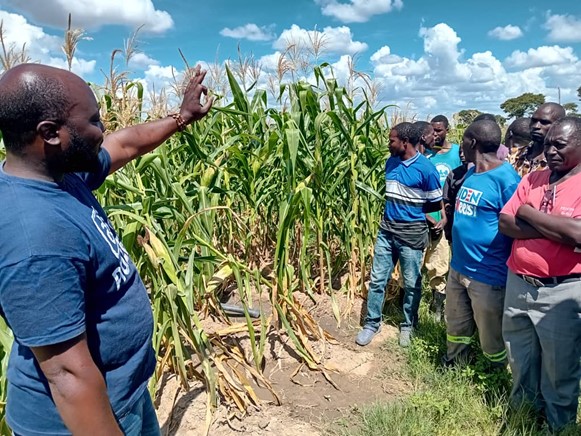
The International Maize and Wheat Improvement Center (CIMMYT) working with smallholder farmers in Southern Province is fostering the production of Crop-livestock integration and diversification trials aimed at increasing fodder production among smallholder farmers in the province.
Speaking with National Agricultural Information Services in Mazabuka district, Christian Thierfelder, who is a Principal Scientist at the International Maize and Wheat Improvement Centre, highlighted that most farmers do not usually produce fodder in their fields.
Dr Thierfelder believes this is a new intervention and that it is necessary for farmers to adopt the technologies that have been tested with them on larger portions of land. By doing so, they can effectively harvest the crops and use them to make hay or silage, or for other ways of fodder conservation. This will ensure enough feed to sustain their livestock during the dry winter season.
“What we introduced here is new options for fodder production which involve green manure cover crops lablab and velvet beans but also new potential grasses like Brachiaria mulato which is a fodder grass of very high value, we heard from farmers that they can increase the milk production by 30 to 50 percent with this feeding strategy and also the meat production can be increased, in six weeks farms reported a 40kg weight gain in cattle,” he said.
George Malambo is a host farmer on the Ukama Ustawi Project working on an Innovation Research Trial in Ngwezi B of Mazabuka district. He stated that his dairy animals enjoyed the fodder he produced which led to an observed increase in milk production.
“What I tried was to feed 1 dairy animal and what I found was that it increased its milk production from 2.5 litres to 15 litres,” Mr Malambo said.
The Ukama Ustawi Initiative has set a goal to provide support for climate-smart agriculture and livelihoods in 12 countries in Eastern and Southern Africa. This initiative aims to assist millions of small-scale farmers in intensifying, diversifying, and reducing the risks associated with maize-mixed farming.
To achieve this, the initiative will offer improved extension services, strengthen institutional capacity, provide targeted farm management bundles, offer policy support, develop enterprises, and attract private investment.
Climate change has continued to be a global concern that threatens food security resulting in pests and diseases with increased or decreased potency.
Among the major crops in Zambia, Cassava is affected by Cassava Mosaic Disease (CMD) and Cassava Brown Streak Disease. Sweet potato is affected by Sweet Potato Virus Disease (SPVD. Maize is affected by the fall Army Worm pest (FAW) which causes significant damage to maize. this calls for accurate identification and sustainable management of the FAW, Cassava diseases, and sweet potato diseases among major stakeholders, the small-scale farmers, which is lacking and inadequate due to mainly inadequacies in the extension services.
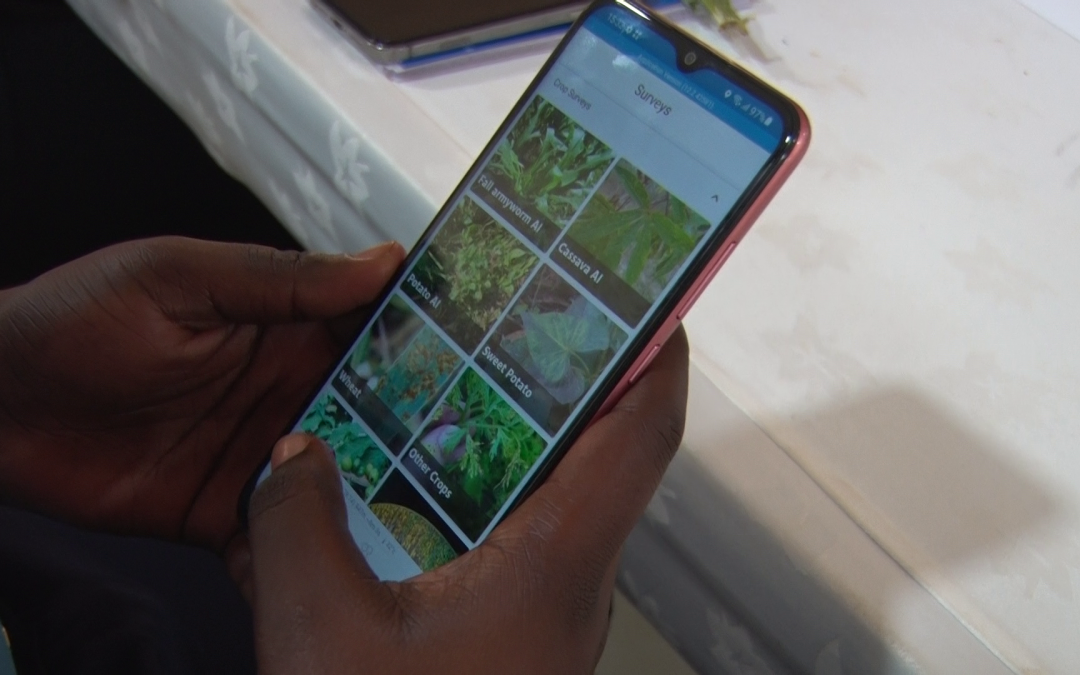
Therefore, the development of the PlantVillage app as an innovative solution that uses Artificial intelligence (AI) through Google’s open-source TensorFlow technology is being proposed to be used to identify symptoms of CMD, CBSD, the feeding damages of Cassava Green mites (CGM) and maize fall armyworm (FAW) infestations. The app will be used in the development of risk assessment tools, predicting the potential distribution and damage of the targeted pests and diseases due to climate change, and supporting farmers at scale in pest and disease management.
The newly launched Plant Village project, funded by the United States Agency for International Development (USAID) aims to upscale the PlantVillage application for monitoring, forecasting, and mitigating the effects of climate change on pests and diseases of maize, cassava, and sweet potato in Zambia.
Speaking at the training workshop for PlantVillage Zambia Field technicians, which was held at Relaxin Lodge in Nchelenge district, Mathias Tembo who is the Senior Agriculture Research Officer under the Zambia Agriculture Research Institute (ZARI) in the Ministry of Agriculture says they are promoting the use of the PlantVillage application which uses Artificial intelligence (AI) among farming communities. This is an app that is installed on a mobile smartphone, and it is free of charge with a lot of information.
“The current problems we are facing are the effects of climate change, this season Zambia has been hit by the effects of climate change, with over 70 percent of the country failing to receive rainfall” He said.
Mr. Tembo who is also the principal Investigator for the PlantVilage project in Zambia expressed concern that crop production among farmers has adversely been affected by different pests and diseases. The PlantVillage application comes in very handy as it will be used by the farmers in their fields to identify problems of different types of diseases and pests.
Mr. Tembo said for now, the project is targeting Maize, Cassava, and sweet potato.
“In the first phase of the project we want to upscale this technology so that more farmers can be able to accept and utilize it, the target within the next six months is to reach out to about 20,000 farmers who will be utilizing this technology” Hehe said.
Mr. Tembo said they are utilizing the newly recruited Technicians who are graduates from different universities, who will be working with camp extension officers who are on the ground and will go out in the field to train farmers to adopt this technology.
“They will go out in the field to survey for pests and diseases out there in the fields, and this app will be able to collect this data and once the information is sent it will be used to solve future problems” Tembo said.
“This technology has been tested against experts from the International Institute for Tropical Agriculture in its ability to identify pests and diseases, it was equal in strength in identifying these pests and diseases, and it was further tested against the extension officers, “ he said.
He said that AI technology is a new tool that should be welcomed and applied, it will not eliminate the jobs for human beings, itbut willrather speed up the process of finding solutions to problems.
And officiating at the same event, Nchelenge District Agriculture Coordinator Arnold Muimui says the PlantVillage application has come at the right time when the population of Nchelenge district is growing and needs good yields.
The DACO said factors such as climate change, pest infestation, and disease infections have become an important issue that affects crop production which has resulted in reduced yields hence food security is threatened.
He explained that said due to the effects of climate change pests and diseases have become evasive to the human eye and more evasive to his crops.
“For CBSD and CMD, mankind has not sat idle, people are working day and night to invent several means to resolve these stumbling blocks to food production, this is through utilization of Artificial Intelligence” He said
He said through financial support from USAID, Feed the Future program, ZARI has adopted the use of the PlantVillage app an artificial intelligence tool for detecting pests and diseases in crops.
The PlantVillage app is a game changer, I would rather call it a next-age extension service technology, it would not have come at a better time than this, I am happy we have this kind of technology in agriculture” he said.
Mr. Muimui said the objective of this training is to orient the field technicians on the utilization of the PlantVillage app to establish and facilitate data transfer, and development of approaches and means to control plant pests and diseases.
“My appeal is to the facilitators of this project, let them extend the PlantVillage app to the camp extension officers so that they can also be empowered to utilize this tool which will help our farmers to increase their crop yields” he said.
The app can be used to gather information on the dynamics of these crop protection matters to develop approaches and tools that can be used to control pests and diseases in crops, such as the use of natural enemies to control pests.
Authored by National Agricultural Information Services (NAIS)
The agriculture sector in Zambia is key to the economy of the country as it contributes average about 19 percent to the Gross Domestic Product (GDP) and employs about three quarters of the population.
However, the current food system and the livelihood of people is facing a hard time due to the advent effects of climate change, whereby calling for a strong transformation in both food production and consumption patterns in a sustainable way.
Further, strengthening climate resilience of agricultural livelihoods calls for farmers to adapt and build resilience to the increasing challenges of climate change where nutritious food is available for all.
It is against this backdrop that agricultural experts are calling for farmers to develop an efficient, competitive, and sustainable agricultural sector which assures food and nutrition security, increased employment opportunities and incomes.
And one of the ways to build resiliency in agriculture is for farmers to adapt the agroecological approachwhich strengthens the capacity for farmers to plan for climate risks that threaten to derail development gains, promote climate resilient agricultural production and diversification.
Agroecology is a holistic approach that seeks to reconcile agriculture and local communities with natural processes for the common benefit of nature and livelihoods.
The farmer’s traditional knowledge combined with innovations in practices and the sustainable use of technologies is at the core of an agroecological farming system.
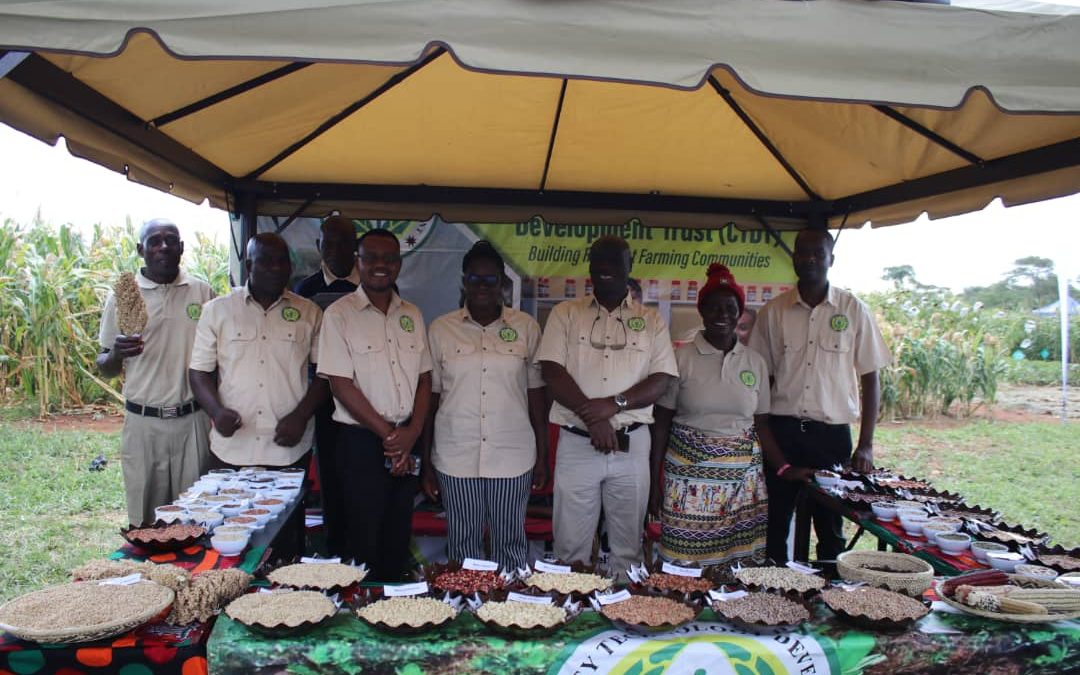
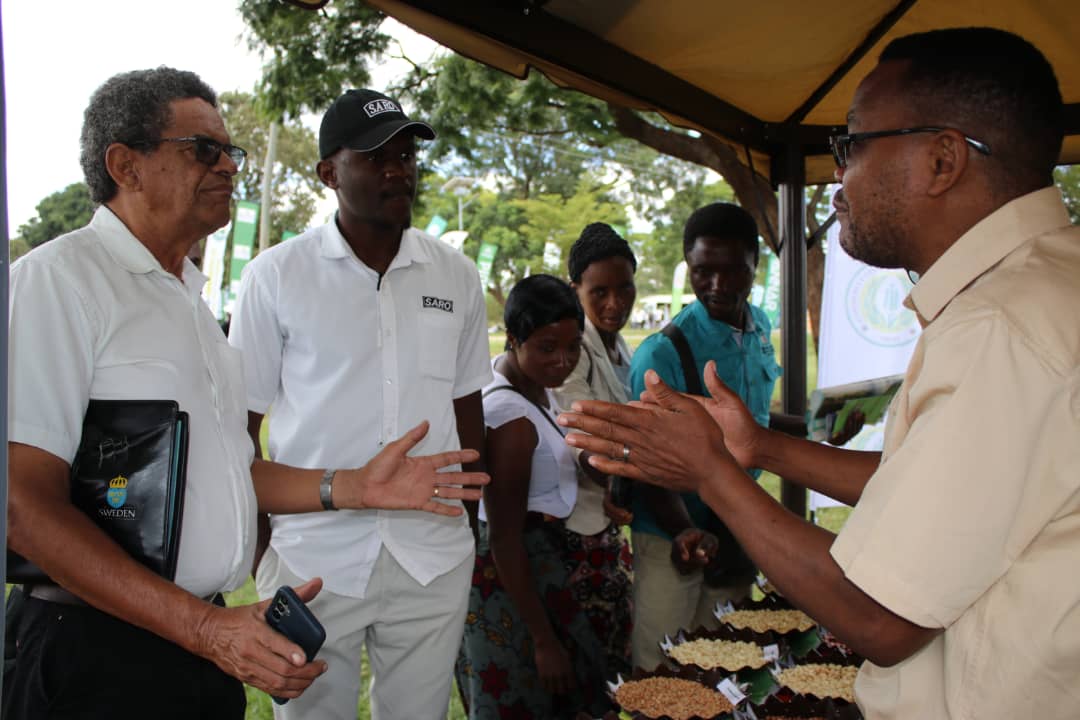
Joseph Ngenda Mwitumwa from the Community Technology Development Trust says agroecological approach is naturally designed to mitigate the effects of climate change as it is a natural way of farming.
He said that the approach is a holistic way of farming which promotes planting of trees, the use of manure and indigenous crop varieties.
“As Community Technology Development Trust, we are promoting a number of agroecological practices and among them is promoting the utilisation of bokashi and the use of indigenous seeds because they are resilient to climate change, considering the environmental challenges caused by climate shocks,” he said.
He said indigenous seed varieties that are late maturing perform better than hybrid crops adding that indigenous seeds easily adapt to the local environment which makes them perform well compared to hybrid seeds.
He further stated that despite the high cost of fertilizer, farmers are able to produce with the utilization of manure which is less costly when using indigenous crops.
Mr. Mwitumwa however said they face challenges when implementing the agroecological approach due to the knowledge gap when it comes to the use of manure that can help preserve other traits found in indigenous seeds.
“There is significant knowledge gap on the benefits of agroecology approaches and most farmers especially smallholder farmers are not aware of indigenous seeds which promotes diversification of farming practice,” he said.
He said diversification can help farmers to become food secure and households will have different types of sources of nutrition from different crops produced.
He however commended the government’s efforts in recognizing and improving agroecological practices through the introduction of the Comprehensive Agricultural Support Programme (CATSP) which seeks to promote the adoption of the approach.
“Government has changed the policy on plant variety and seeds act while breeders act is being changed and we are optimistic that these approaches will be included in the new seed loans,” Mr. Mwitumwa said.
Indeed, building an effective agricultural adaptation strategy is imperative to ensure food security in a country challenged by climate change constraints.
Government and the private sector in the country should work together to adopt short and long- term response strategies to cope with erratic climate change impacts.
Authored by National Agricultural Information Service
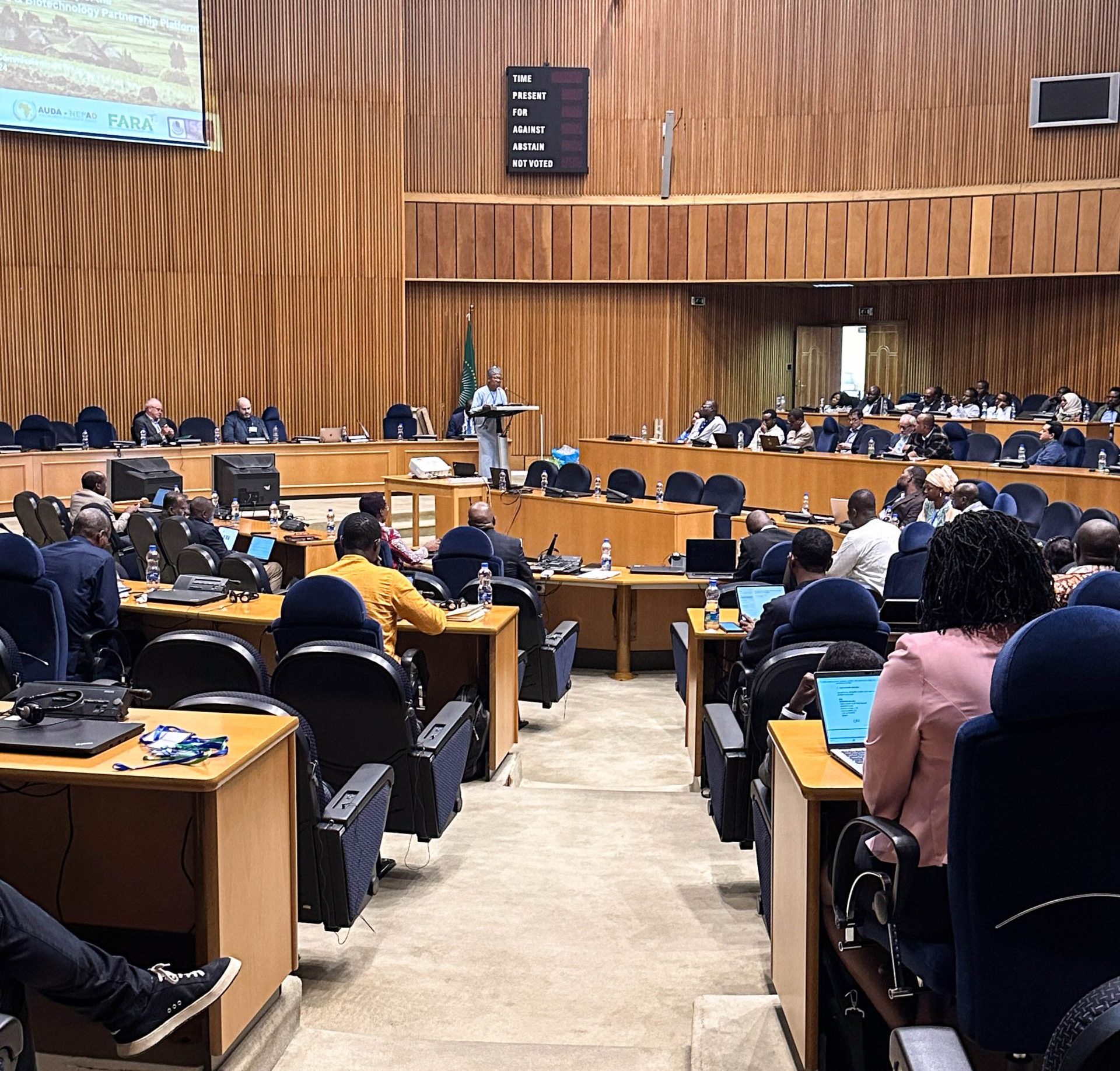
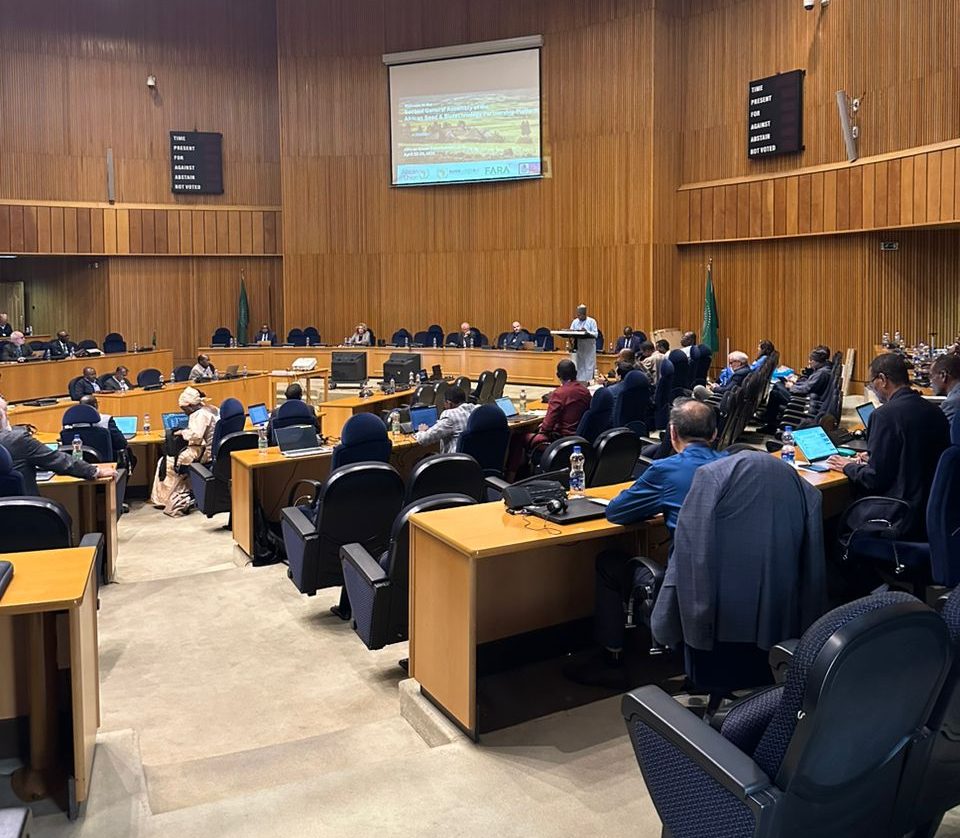
#FARA’s Institutional Capacity & Future Scenarios Cluster Lead and African Seed and Biotechnology Partnership Platform #ASBPP coordinator under the auspices of the African Union, Dr. Abdulrazak Ibrahim, is at the #AU Headquarters, Addis Ababa, facilitating the 2nd #ASBPP General Assembly.
The assembly holds significant weight as it aligns ongoing dialogues concerning the 2nd decade of the African Union #Agenda2063 and the post-Malabo process.
The theme of the General Assembly is Humanitarian Development and Peace (HDP) Nexus alongside transforming food systems in Africa.
Key assembly elements encompass the interconnection between #ASBPP Working Groups, Clusters, and the Integrated Seed Sector Development #ISSD Africa Community of Practice, as well as the unveiling of the Africa Seed Sector Performance Indicator #SSPI spearheaded by The African Seed Access Index.
The meeting features deliberations on the evolving strategies within Africa’s seed sector, including initiatives like the Partnership for Integrated Seed Sector Development in Africa #PISSA. These endeavours contribute to the ASBP-CAADP Goals.
This collaborative effort, led by #ASBPP under the purview of African Union‘s Department of Agriculture, Rural Development, Blue Economy, and Sustainable Environment DARBE -AUC, AUDA-NEPAD, #FARA, and the Wageningen Center for Development Innovation (WCDI) of Wageningen University & Research, brings together 120 stakeholders from across Africa’s seed sector.
Ministry of Agriculture in Chisamba district in Central province says extension service workers in the district are prepared to play their role as change agents to help farmers transition to modern methods of agriculture that will enable them to handle the challenges of climate change.
Chisamba District Agricultural Coordinator Belvin Muntanga observed that some small scale farmers were still using outdated methods of farming even in the face of changing weather patterns brought on by climate change hence the need for immediate change.
Mr. Muntanga made this observation at a field day organised by Cortiva Agriscience in Nalufwi Camp of Chisamba District recently.
He said the Ministry of Agriculture extension service workers in the district were well positioned as change agents to assist farmers transition from outdated methods of farming to modern technologies in order to increase crop yields.
“We also want to appreciate the work of the private sector for the role you are playing in increasing knowledge among our small scale farmers here in Chisamba and for always developing seed varieties suited to the changing climate. We value your work as cooperating partners to ensure our farmers can cope with climate change,” Mr Muntanga said.
He further urged farmers to seek professional advice from extension officers in the ministry if they were to increase productivity per hectare on their farms.
And Chisamba District Extension Methodologist Lena Mukokili told farmers at the same event to improve management of their crop in order to get higher yields per hectare.
She said it was more desirable to reduce the size of planted hectarage for better management than to plant bigger fields which were poorly managed due to their size.
“If a small field is what you can manage very well then plant a small field. What is the point of cultivating a big field which you can’t manage well only because you want your neighbor to see that you a big farmer? So plant a field you can manage very well. It is better to have a small field that gives 10 tonnes per hectare than a big field which gives you two tonnes per hectare,” Ms Mukokili said.
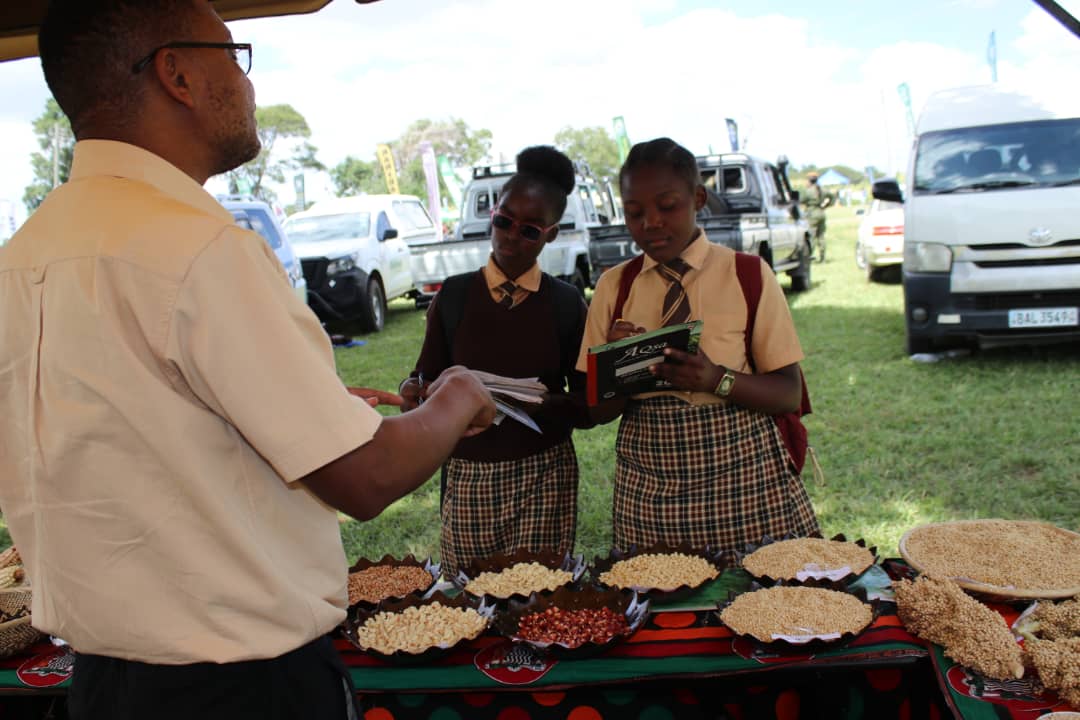
Cortiva Agriscience’s Wilbroad Moonga speaks to farmers during the recent field day he inNalufwi Camp
Meanwhile, Corteva Agriscience Field Officer Wilbroad Moonga urged farmers, during the demonstration, to stay abreast of latest scientific advancements that were capable of increasing their yields.
He said the type of farming methods small scale farmers were using made a difference between a good yield or a bad one hence the need to adopt better farming practices to increase productivity on their farms.
“For good yields it also depends on the type farming you are using. Some are still using conventional farming as opposed to conservation farming,” he said.
A small scale farmers Cornwell Hachipola appealed to the Ministry of Agriculture to continue building capacity among the farmers.
Mr. Hachipola said farmers in his area were willing to embrace new technologies of farming but that there was need for capacity building.
“We don’t know a lot about record keeping on our farms. Most farmers are moving to vegetable production under irrigation but they need a lot of help from the ministry,” he said.
The field day was only the first to be held in Chisamba District due to the widespread none performance of crops in the 2023/2024 farming season.
Authored by the Agricultural Information Officer for the National Agricultural Information Services
It is now street knowledge that the availability of technology is not the central bane to improvement of Africa agriculture and management of the prime production asset, our soil. While technologies is modestly available, bringing the technologies from pilots to scale is still a key problem to overcome.
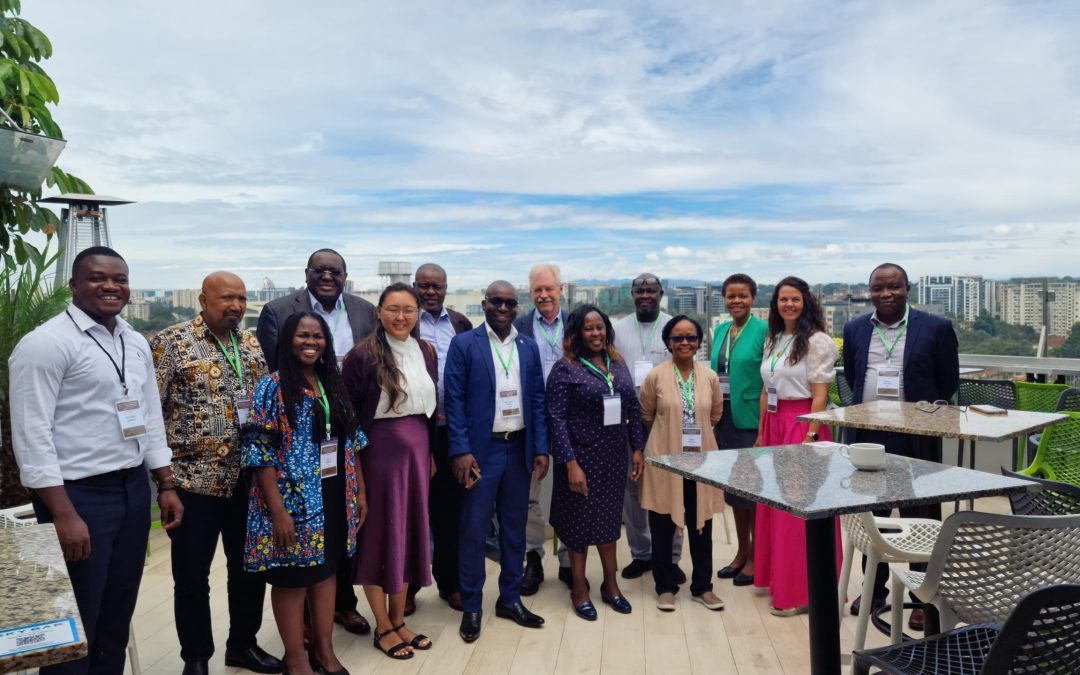
Notable experts in the theory and practice of scaling across Africa gathered in a workshop between 9th -11th of April 2024 at the Ibis Hotel in Nairobi. The workshop, scaling the pillar of the Soil Initiative for Africa (SIA) framework and the Africa fertilizer and Soil health Action Plan to write the scaling chapter of the companion document to the SIA. The companion document will aid the domestication of the framework and the development of the right action at the country and sub regional levels.
The central question is; What exactly should we bring to scale to ensure an effective management of the Africa soil? What easily comes to mind is to scale “technologies” and or Innovation. This is done using the processes of scaling out, possibly with all kinds of extension models and provision of enabling factors that pull the use of technologies. Even at this, the acceptance of technologies by the users takes time, sometimes five to ten years before the skepticism and phobia of the technology users is overcome. Apparently, the scaling up notion and its associated policy and institutional change will help to move things forward.
As it relates to the ensuring the management of Africa soil; critical analysis of project experience in the last decade showed that most Soil health interventions are not scalable because they are context specific. As such, efforts should not solely concentrate on specific technologies, rather on farmers learning, know-how and the capacity to innovate. The notion of “Capacity to Innovate” suggests the inculcation of the knowledge package and experiences that will foster a mind-set change for the farmers to continually improving their capabilities and resources to address challenges from a position of knowledge.
Most soil management interventions especially those that target soil health and organic matter increase does give immediate returns to investment, rather it yield after some years of continuous investment and the continuous benefits also needs to be managed carefully. Thus, the scaling model is scaling deep and the item to scale is farmers appreciation of the nature of the soil and pathway to benefit. Indeed the “Capacity to Innovate” is the right target of our scaling intervention.