The new year 2020 marks the beginning of a promising decade for Africa. Through at least the first half of the decade, economic growth across Africa will continue to outperform that of other regions, with the continent continuing to be home to seven of the world’s 10 fastest-growing economies. Collective action among African and global policymakers to improve the livelihoods of all under the blueprint of the Sustainable Development Goals and the African Union’s Agenda 2063 is representative of the shared energy and excitement around Africa’s potential. With business environments improving, regional integration centred around the African Continental Free Trade Agreement progressing, and the transformational technologies of Fourth Industrial Revolution spreading, never before has the region been better primed for trade, investment, and mutually beneficial partnerships. The recent, unprecedented interest of an increasingly diversified group of external partners for engagement with Africa highlights this potential. Despite the continent’s promise, though, obstacles to success linger, as job creation still has not caught up with the growing youth labour force, gaps in good and inclusive governance remain, and climate change, as well as state fragility, threaten to reverse the hard-fought-for gains of recent decades.
This special edition of Foresight Africa highlights the triumphs of past years as well as strategies from our experts to tackle forthcoming, but surmountable, obstacles to a prosperous continent by 2030.
1. Achieving the Sustainable Development Goals
The state of play and policy options
In Chapter 1, our experts discuss how the next 10 years of the Sustainable Development Goals (SDGs) will shape policy priorities for African governments and their partners. Progress has been uneven both across countries and across goals, often hindered by a lack of coordination across national and local governments as well as the global system at large. Given that financing continues to be the biggest hindrance to global success, our authors explore resource mobilization strategies that can push Africa over the finish line. Read more
2. Deepening good governance
Inclusion, democracy, and security
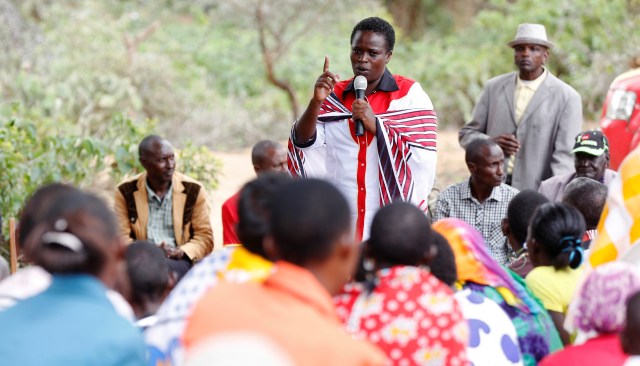
For Africa to accomplish the ambitious but laudable SDGs, strong institutions and good governance must be in place. In Chapter 2, our experts discuss not only how African countries can build and sustain peace and end corruption, but also how the global community can support institution-building efforts. More broadly, good governance must be inclusive, so our experts share how support for widespread democracy as well as the empowerment of women can and will bring gains for all. Read more
3. Leveraging demographic trends for economic transformation
Job creation, skills development, and urbanization policies
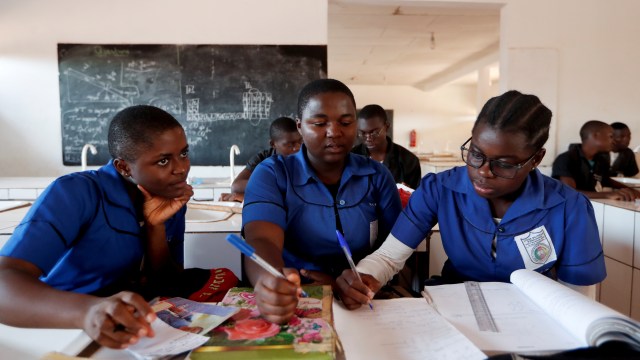
Among the top challenges facing the continent continues to be the mismatch between demographic trends and job creation. With rapid population growth and urbanization, African leaders must fashion and implement policies to encourage job creation and maintain service delivery. The authors in Chapter 3, then, offer strategies for governments to invest in sectors primed to grow and create jobs, prepare young people for the jobs of the future, and improve the quality of living in Africa’s rapidly growing cities. Read more
4. Combating climate change
An urgent call for comprehensive global and local action
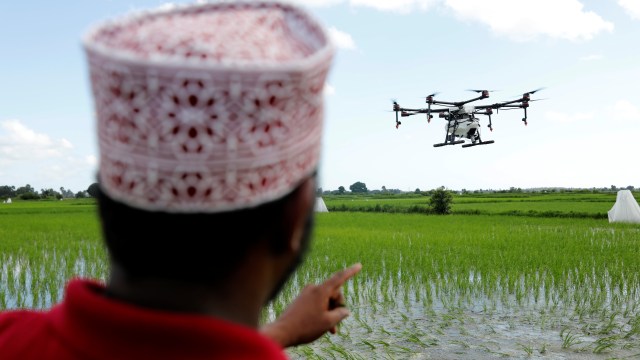
Overshadowing all of these challenges is the threat of climate change. Food security is particularly in the crosshairs as climate change threatens means of production and the nutrition of the continent’s people. At the same time, the perils of increasing and strengthening natural disasters loom over the millions of people living in low elevation coastal zones. As the authors argue in Chapter 4, without aggressive and comprehensive global and local action, other reforms addressing economic growth and human development will be for naught. Read more
5. Capturing the Fourth Industrial Revolution
A regional and national agenda
Many leaders see the Fourth Industrial Revolution and its accompanying technologies as a pathway for many solutions to the challenges facing the continent. Progress toward goals such as education access, climate change mitigation, and service delivery can all be enhanced by digital tools both already available and on the horizon. In Chapter 5, the authors explore how groundbreaking technology—such as artificial intelligence—can, hand-in-hand with enabling and empowering policies, improve business, health care, and the livelihoods of all. Read more
Bolstering Africa’s role in the global economy
The importance of regional integration
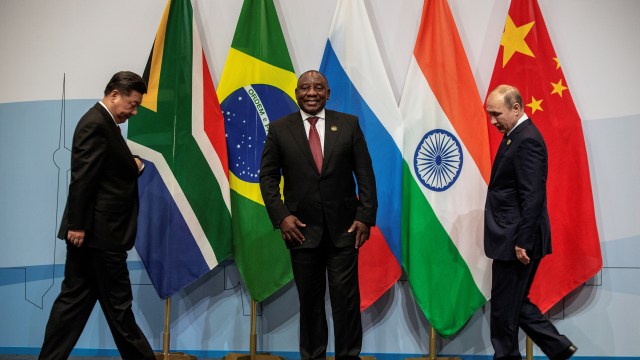
The Fourth Industrial Revolution is already ushering in a new, empowered future for Africa as it steps out on to the world stage. Bolstered by the newly implemented African Continental Free Trade Agreement, policies to encourage innovation and integration can propel the continent into new frontiers of business and human development. In Chapter 6, our experts explore the new commercial and diplomatic opportunities Africa is creating as it empowers itself from within and suggests how the continent might respond to new foreign partners looking to tap into this potential. Read more
Le Forum pour la recherche agricole en Afrique et le gouvernement de l’État de São Paulo ont, en marge du Forum Brésil-Afrique 2019, étudié les possibilités de partenariats commerciaux, techniques et scientifiques entre le FARA et le gouvernement et les entreprises agroindustrielles de l’État de São Paulo. (more…)
On the sidelines of the Brazil African Forum 2019, the Forum for Agricultural Research in Africa and the Government of the State of São Paulo have been discussing opportunities for commercial, technical and scientific partnerships between FARA and Government of the State of São Paulo and the São Paulo agribusiness companies. This engagement has been made possible through the initiative of the ECOWAS Brazil Chamber of Commerce and the International Unit of the State of São Paulo. The discussions centered on how to leverage FARA’s expertise and role as the official technical arm of the African Union Commission responsible for the coordination of agricultural science research for development and to strengthen the capacity for agribusiness on the continent.
The high-level meeting was attended by representatives of the partners, including Mr. Gustavo Junqueira, São Paulo State Secretary of Agriculture, Dr. Yemi Akinbamijo, Executive Director of FARA, Dr. Irene Annor-Frempong, Director of Research and Innovation at FARA, Dr. Abdulrazak Ibrahim, Capacity Development Officer, FARA, Dr. Maristela Basso of the International Unit of Secretariat of the State of São Paulo and Silvana Saraiva, President of the ECOWAS Brazil Chamber of Commerce.
During the engagement, several actions have been defined to help facilitate the partnership. These include the creation of a multidisciplinary working group with the mandate to develop a roadmap and strategy that will allow for the development of concrete solutions to meet the needs of the African agricultural sector. The meeting also recognized the importance of FEAFRO 2020, a business meeting with entrepreneurs from the African Continent billed to take place in May 2020 and which is expected to receive African Heads of State, Governor João Doria of São Paulo and several entrepreneurs from 49 countries across the globe.
On the margins of the Brazil Africa Forum, FARA and UFV also launched the Brazilian version of the Agricultural Research and Innovation Fellowship for Africa (ARIFA), which will see young Africans equipped with 21st century skills and the capacity to innovate. Following the opening ceremony of the Forum led by Brazilian Vice President, General Hamilton Mouro, FARA’s side event was chaired by Nigeria’s Minister of State for Education, Barrister Chukwuemeka Nwajiuba. In attendance were Ghana’s Ambassador to Brazil, Prof. Abena Busia and officials from Abia and Borno States of the Federal Republic of Nigeria, among others.
Le Forum pour la recherche agricole en Afrique (FARA), a lancé la version brésilienne du programme de Bourse de recherche et d’innovation en agriculture pour l’Afrique (ARIFA), qui permettra de doter les jeunes africains des compétences du 21e siècle, nécessaires à l’innovation. Le lancement du programme ARIFA, en marge du Forum Brésil-Afrique 2019 qui se tient actuellement à Sao Paulo, était présidé par Maître Chukwuemeka Nwajiuba, ministre de l’Éducation du Nigeria. Il a également vu la participation d’autres dignitaires dont l’Ambassadeur du Ghana au Brésil, Pr Abena Busia.
S’exprimant lors du lancement, Dr Yemi Akinbamijo, Directeur exécutif du FARA a souligné l’importance du déploiement de la science en vue de propulser l’agriculture africaine qui est au cœur de l’initiative ARIFA. Il a également indiqué qu’il serait difficile pour l’Afrique d’assurer sa sécurité alimentaire et nutritionnelle sans avoir recours à la science. Il a en outre expliqué la genèse du programme ARIFA qui relève du Programme d’autonomisation globale en vue de l’amélioration des moyens d’existence (HELP), une autre initiative phare du FARA.
Dr Akinbamijo a expliqué que, dans le cadre de HELP, le FARA mettait en œuvre le programme de Bourse de recherche et d’innovation en agriculture pour l’Afrique qui vise à former une nouvelle génération de travailleurs aptes à réformer le secteur de l’agroalimentaire africain en vue de constituer le facteur de changement pour une transformation rapide de l’agriculture au cours des dix prochaines années. Le programme ARIFA facilitera l’entrée régulière de groupes de diplômés et d’entrepreneurs agricoles dans les systèmes d’innovation à travers des plateformes d’innovation et des itinéraires d’apprentissage situés dans et autour des institutions, universités, collèges techniques, communautés rurales et entreprises privées d’Afrique.
Pr Vladimir Oliveira Di Iorio, Directeur des affaires internationales à l’Université fédérale de Viçosa (UFV), a en parlant de la collaboration sud-sud entre le FARA et l’UVF, indiqué que l’UVF était prête à faire équipe avec le FARA.
« Nous avons de bonnes raisons de fonder de grands espoirs sur ce partenariat…Nous sommes heureux de constater que l’UFV est devenue l’une des plus importantes institutions qui contribuent à l’ARIFA. »
Pour la première promotion de 2020, l’UVF accueillera jusqu’à cent-vingt (120) bousiers de l’ARIFA dans le cadre de formations de courte durée liées à l’agrobusiness brésilien et de programmes de maîtrise de la filière agricole et alimentaire. Le partenariat UFV/FARA dans le cadre du programme de maîtrise accueillera des boursiers de l’ARIFA dans tous les programmes d’études supérieures en agriculture de l’UFV.
Au sujet des objectifs de l’ARIFA, Dr Irene Annor-Frempong, Directrice de la recherche et de l’innovation au FARA, a expliqué que l’ARIFA s’inscrivait dans le programme plus vaste de « l’Afrique que nous voulons ». Selon elle, l’Agenda 2063 englobe un certain nombre de stratégies dont la Stratégie de la science, de la technologie et de l’innovation pour l’Afrique (STISA). L’ARIFA contribuera à la Priorité numéro 1 du cadre du STISA.
Dr Abdulrazak Ibrahim, Spécialiste en renforcement des capacités au FARA, qui a animé le lancement, a indiqué que le programme ARIFA avait été conçu en tenant compte de la réflexion sur les systèmes d’innovation en vue de doter les jeunes Africains des compétences du 21e siècle dont le continent a besoin pour relever les défis mondiaux actuels, dont le changement climatique, et tirer parti des possibilités que présente la mise en œuvre de l’Accord de libre-échange continental africain.
The Forum for Agricultural Research in Africa (FARA), has launched the Brazilian version of the Agricultural Research and Innovation Fellowship for Africa (ARIFA), which will see young Africans equipped with 21st century skills and capacity to innovate. The launch of ARIFA on the margins of the Brazil Africa Forum 2019, currently underway in Sao Paulo, was chaired by Nigeria’s Minister of State for Education, Barrister Chukwuemeka Nwajiuba, and was also attended by other dignitaries including Ghana’s Ambassador to Brazil, Professor Abena Busia.
Speaking during the launch, Dr. Yemi Akinbamijo, the Executive Director of FARA, underscored the essence of the deployment of science to propel Africa’s agriculture, which is at the heart of the ARIFA initiative, indicating that it would be difficult for Africa to be food and nutrition secure without the deployment of science in Africa’s agriculture. He also explained the genesis of ARIFA which comes under another FARA flagship initiative, the Holistic Empowerment for Livelihoods Program (HELP).
Dr. Yemi explained that under HELP, FARA is implementing the Agricultural Research and Innovation Fellowship for Africa, which aims to produce a new generation of fit-for purpose workforce to re-engineer the African agri-food sector to provide the change factor for rapid agricultural transformation in the next 10 years. ARIFA will facilitate regular entry of cohorts of graduates and agri-preneurs into the innovation systems apparel of FARA through Innovation Platforms (IP) and rural learning routes located in and around African institutions, universities, technical colleges and rural communities.
Professor Vladimir Oliveira Di Iorio, Director of International Affairs at Universidade Federal de Viçosa (UFV), speaking to the South-South collaboration between FARA and the UVF, indicated the preparedness of the UVF to partner FARA on this journey.
“We have good reasons for high expectations for this partnership…we are glad to see that UFV has become one of the most important institutions to contribute to ARIFA”
In the first cohort in 2020, the UVF will host up to one hundred and twenty (120) ARIFA Fellows in short courses related to Brazilian agri-business and in Masters programmes in agriculture and food. The UFV/FARA Masters partnership will offer places for ARIFA Fellows in all agriculture related UFV graduate programmes.
Commenting on the objectives of the ARIFA, Director of Research and Innovation at FARA, Dr. Irene Annor-Frempong explained that ARIFA fits into the wider “Africa we want” agenda. She states that the Agenda 2063 encompasses a number of strategies including the strategy for Science, Technology and Innovation for Africa (STISA) and ARIFA will contribute to the Priority One of the STISA Framework.
“ARIFA is at the heart of training those practitioners that will formulate the DNA of advancing the Science Agenda on the continent”
Dr. Abdulrazak Ibrahim, Capacity Development Expert at FARA, who moderated the launch, indicated that ARIFA was designed with the innovation systems thinking to empower young Africans with 21st century skills needed for the continent to navigate through the current global challenges including climate change and the opportunities offered by the implementation of the Africa Continental Free Trade Agreement.