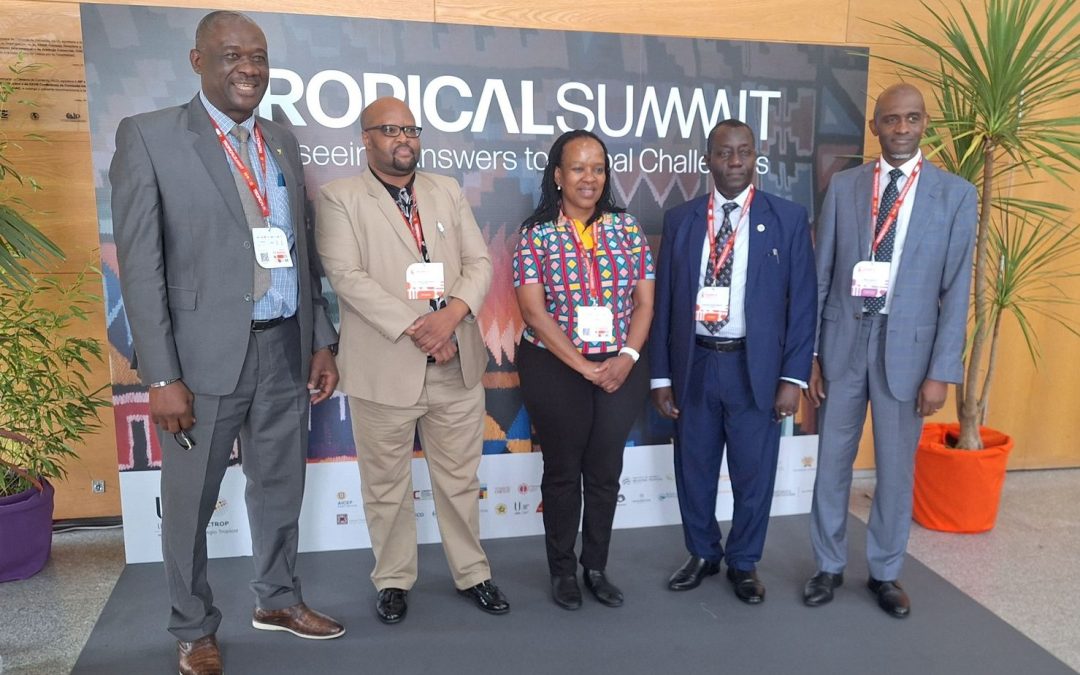
The Forum for Agricultural Research in Africa (FARA), in partnership with CORAF, CCARDESA, RUFORUM, JRC-ISPRA, AE-TPP, and IFAD, co-organized a pivotal session on “Catalyzing Agroecological Transitions in the Tropics in the Context of Climate Change” at the maiden Tropical Summit. This event brought together leading voices in agroecology, including the FARA Board Chair, Ms. Bongiwe Njobe, and FARA’s Executive Director, Dr. Aggrey Agumya, along with other notable participants.
In his welcome remarks, Dr. Aggrey Agumya emphasised the urgency of advancing agroecological practices, noting that while agroecology holds significant potential, it lacks substantial representation in the new Comprehensive Africa Agriculture Development Programme (CAADP) strategy. “The scientific community must work harder, faster, and louder to champion agroecological transitions,” Dr. Agumya urged.
Dr. Guy Faure of the European Commission’s International Partnerships (EC/INTPA) echoed this sentiment in his opening address, highlighting robust evidence demonstrating the effectiveness of agroecology. He outlined the European Commission’s commitment to three regional multi-actor networks across Eastern, Western, and Southern Africa. These networks aim to bolster agroecological practices by providing evidence-based technologies, building capacity, and driving policy advocacy.
The hybrid session featured presentations from two distinguished researchers: Professor Rachel Wynberg and Dr. Marc Corbeels, both experts in agroecology. Professor Wynberg discussed the importance of supporting agroecology in tropical regions, touching on research, policy, and practical applications. Dr. Corbeels followed with a presentation on agroecology as a vital approach to enhancing climate resilience, exploring policy and institutional support mechanisms essential for scaling agroecological practices.
The presenters defined key components of agroecology, underscoring its potential to address pressing societal challenges. They also highlighted the main barriers to economic and policy support, sharing insights based on their extensive work in various African contexts.
Interactive discussions and a lively question-and-answer session followed the presentations, with both in-person and online participants. Key questions emerged, including “Can we scale agroecology?” and “What is the return on investment for agroecology?” These questions underscored the audience’s keen interest in understanding both the scalability and economic viability of agroecological practices in Africa and beyond.
The session at the Tropical Summit spotlighted agroecology’s role in climate resilience and sustainable agriculture, paving the way for a deeper commitment from the global community toward supporting agroecological transitions in the tropics.
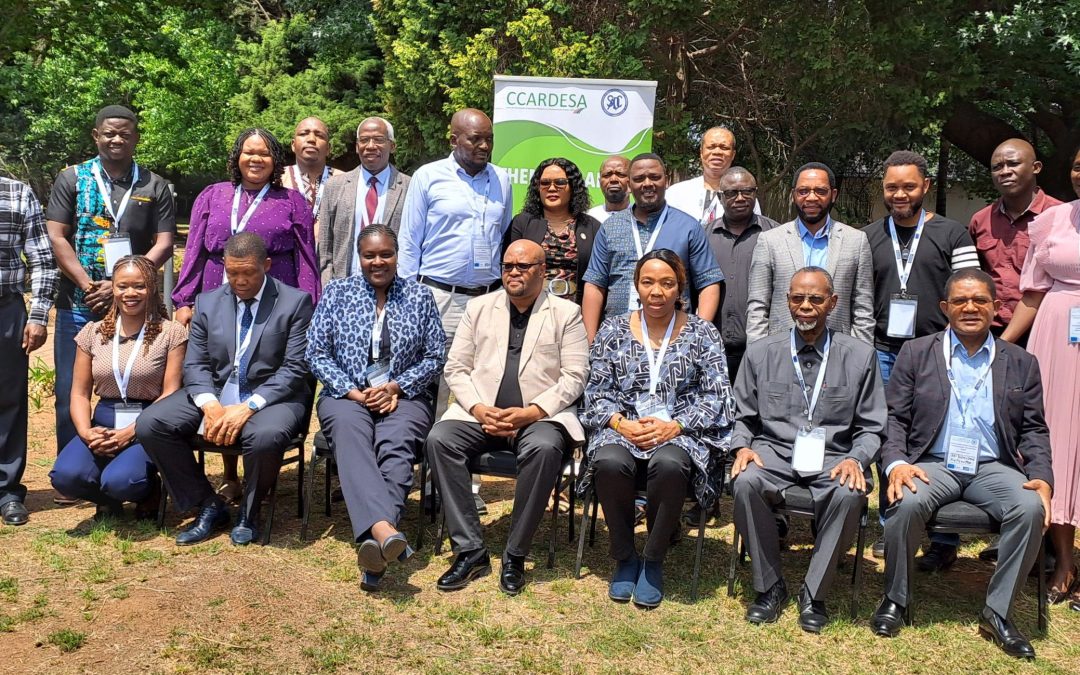
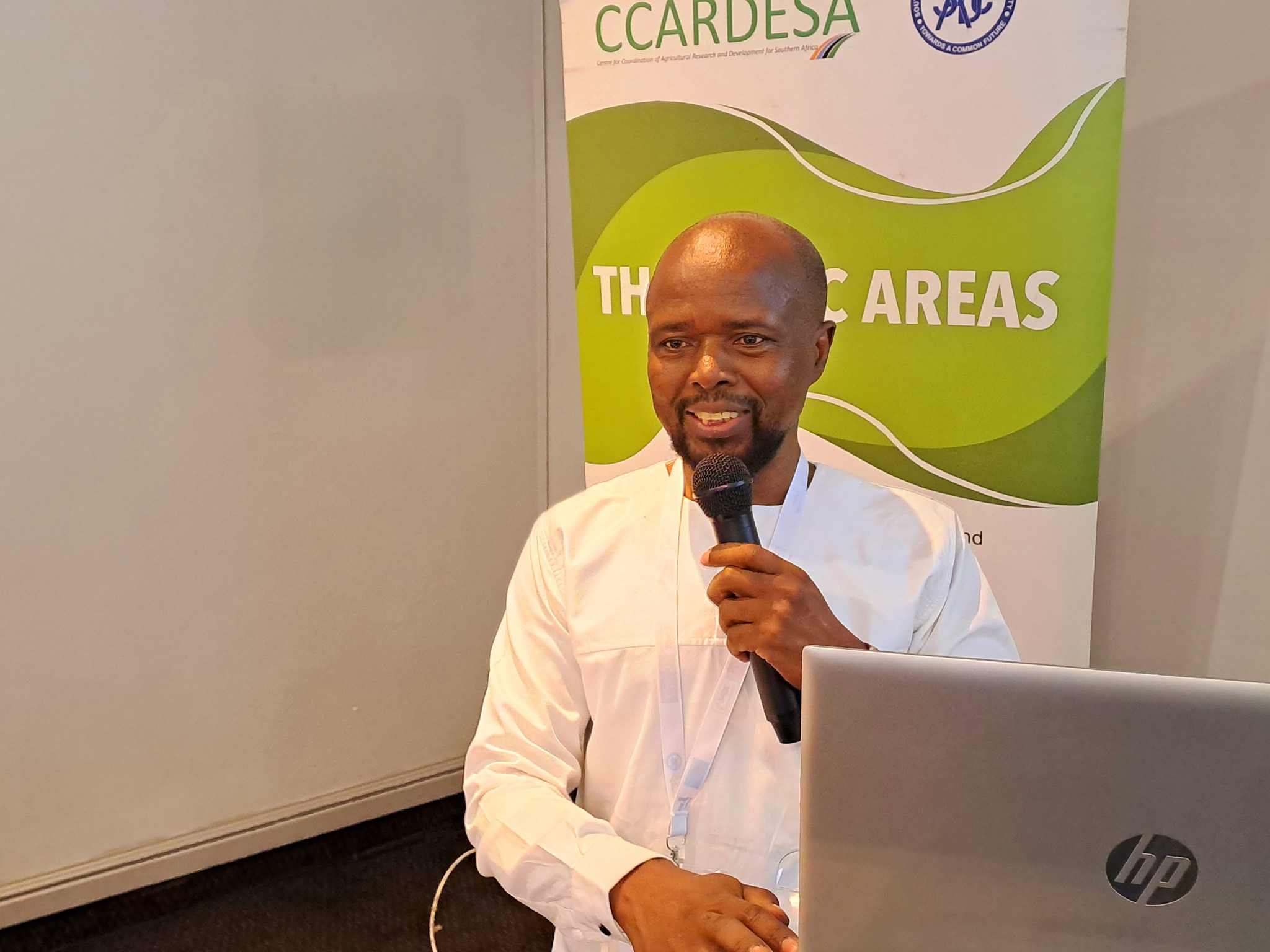
Enhancing Knowledge Management in institutions requires enforcing a national policy aimed at influencing knowledge sharing and serving as a repository of knowledge among stakeholders, key players, and the public. On 25th October 2024, the Centre for Coordination of Agricultural Research and Development for Southern Africa (CCARDESA) and the International Water Management Institute (IWMI), in partnership with the Association for Strengthening Agricultural Research in Eastern and Central Africa (ASARECA), held a Knowledge Management Policy Dialogue at Birchwood Hotel in Johannesburg, South Africa, through the Ukama Ustawi Initiative.
The IWMI-led Ukama Ustawi (UU) Initiative is a four-year project worth approximately USD 40 million that promotes diversification for resilient agribusiness ecosystems in East and Southern Africa (ESA). The initiative is set to end in 2024 and targets 12 countries in this region: Eswatini, Ethiopia, Kenya, Tanzania, Malawi, Mozambique, Madagascar, Rwanda, Uganda, South Africa, Zambia, and Zimbabwe. The main goal of the UU Initiative is to address food and nutrition security risks in the region, which stem from an overreliance on maize monoculture. The initiative instead promotes a climate-resilient, water-secure, and socially inclusive approach aimed at helping smallholders diversify and de-risk agri-food systems based on maize in the targeted countries.
The Knowledge Management Policy Dialogue brought together various agriculturalists, researchers, and knowledge management experts to deliberate on strategies for enhancing knowledge management visibility in East and Southern Africa. The event, held in Johannesburg, South Africa, was organised by the Centre for Coordination of Agricultural Research and Development for Southern Africa (CCARDESA) and the International Water Management Institute (IWMI), with financial support of the CAADP XP4 Programme through the International Fund for Agricultural Development (IFAD).
The meeting’s objectives were to create pathways for policymakers to adopt knowledge-management recommendations to improve regional agricultural resilience and food security. Participants discussed developing actionable recommendations to improve knowledge management practices and their integration into policy frameworks. The meeting also aimed to promote collaboration among institutions and explore potential ways to institutionalize knowledge management strategies within agricultural practices.
In his official opening remarks, CCARDESA’s Executive Director, Cliff Dlamini, stressed the necessity of assigning roles to bring about policy shifts in agricultural policy and emphasized the importance of generating and managing knowledge as key program outputs.
Professor Dlamini stated that knowledge management is essential for advancing East and Southern Africa’s program goals focused on food resilience and inclusivity. He noted that this can only happen if adequate support for knowledge management is secured.
“Knowledge is power; it can be preserved and be valuable to policymakers. Today’s dialogue is an opportunity to engage in knowledge management efforts,” stressed Professor Dlamini.
Prof. Cliff Dlamini, Executive Director, CCARDESA
He called for more investment in organizational structures to achieve knowledge management goals. “Significant resources must be allocated to ensure visibility,” Professor Dlamini added.
He argued that while substantial knowledge has been generated to transform the agriculture sector, its dissemination to smallholder farmers needs to be more structured and supported.
This calls for a concerted effort to prioritise knowledge management, recognising its role as an institutional memory for future reference.
Professor Dlamini suggested that organisations should prioritise knowledge management roles at senior levels to increase their impact.
“We need strategic positions in knowledge management to amplify the voice of farmers and facilitate knowledge translation,” he said.
Consultant Hannock Kumwenda of Ukama Ustawi’s Learning Alliance, a knowledge-sharing network facilitated through IWMI’s partnership, presented findings from a scoping study. The research findings revealed how knowledge management could be elevated within policy frameworks.
Dr. Kumwenda highlighted the financial challenges, noting that funding for relevant institutions often relies on external sources.
Dr. Hannock Kumwenda, Consultant, Ukama Ustawi
“Financial resources are limited. Each partner funds their activities as long as benefits are clear. This calls for building on existing resources and exploring lead partnerships for effective management,” he explained.
Dr. Kumwenda emphasised that alliances gain strength when they leverage diverse strengths such as knowledge management and monitoring and evaluation—even though dedicated staff may not always be available for these functions.
Regional partner institutions are generally better equipped than national systems. For instance, some use mobile applications that improve visibility. National systems, on the other hand, tend to rely on Facebook and other accessible social media platforms. This situation highlights the need for adequate resources to maintain and update technologies.
Dr. Kumwenda noted that the gap between research and dissemination efforts in national systems continues to widen. Often, pilot projects rely on packages, and uptake slows when projects end. Investing in dissemination centres and in outreach to semi-literate farmers could help bridge this gap.
Knowledge exchange among regional bodies appears more effective, suggesting that more resources should be allocated to foster collaboration.
Dr. Kumwenda also raised the issue of effective learning alliances, explaining that what currently exists is often limited to sharing alliances of existing knowledge.
“Learning Alliances should be focused on building partnerships linked to data hubs and best practices. Models that have been tested and proven functional should be replicated,” Dr. Kumwenda said.
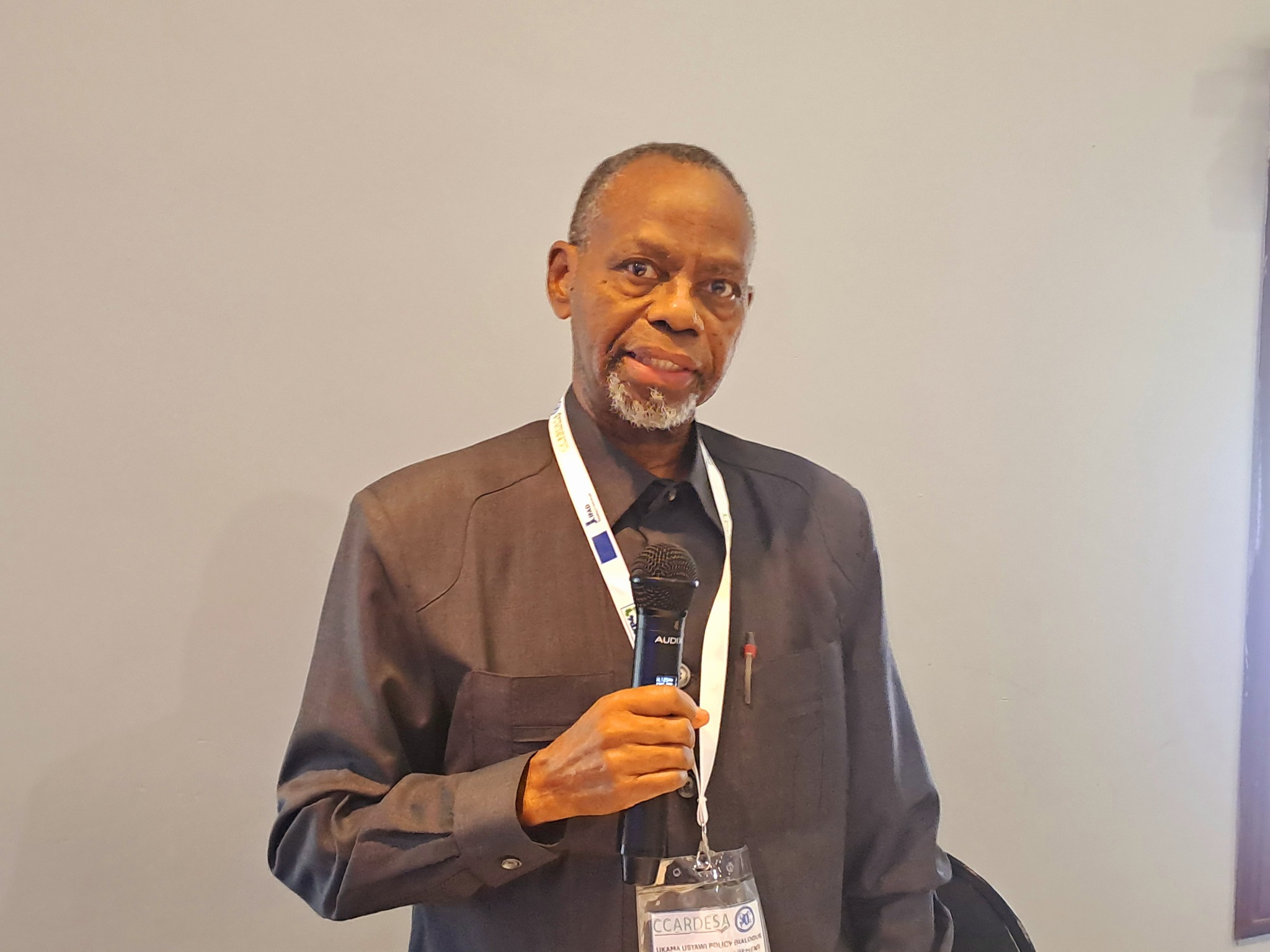
Professor Kingo Mchombu from the International University of Management of Namibia pointed out that a national policy is essential to influence and institutionalize knowledge management and that high-level buy-in is critical.
Professor Kingo Mchombu, International University of Management (IUM), Namibia
Professor Mchombu, a Knowledge Management Expert, cited Namibia as a case where concerted efforts led to the development of a national policy on knowledge management, recently submitted to the Office of the Prime Minister.
“The national policy was reviewed by parliamentarians, who participated in the process and contributed feedback before it was finalized for submission to the Prime Minister’s office,” he confirmed.
Once approved, knowledge management will gain significant recognition and be more easily institutionalised. This Namibian approach serves as a model worth replicating elsewhere.
Ultimately, member countries could benefit from developing national policies to strengthen their positions in knowledge management.
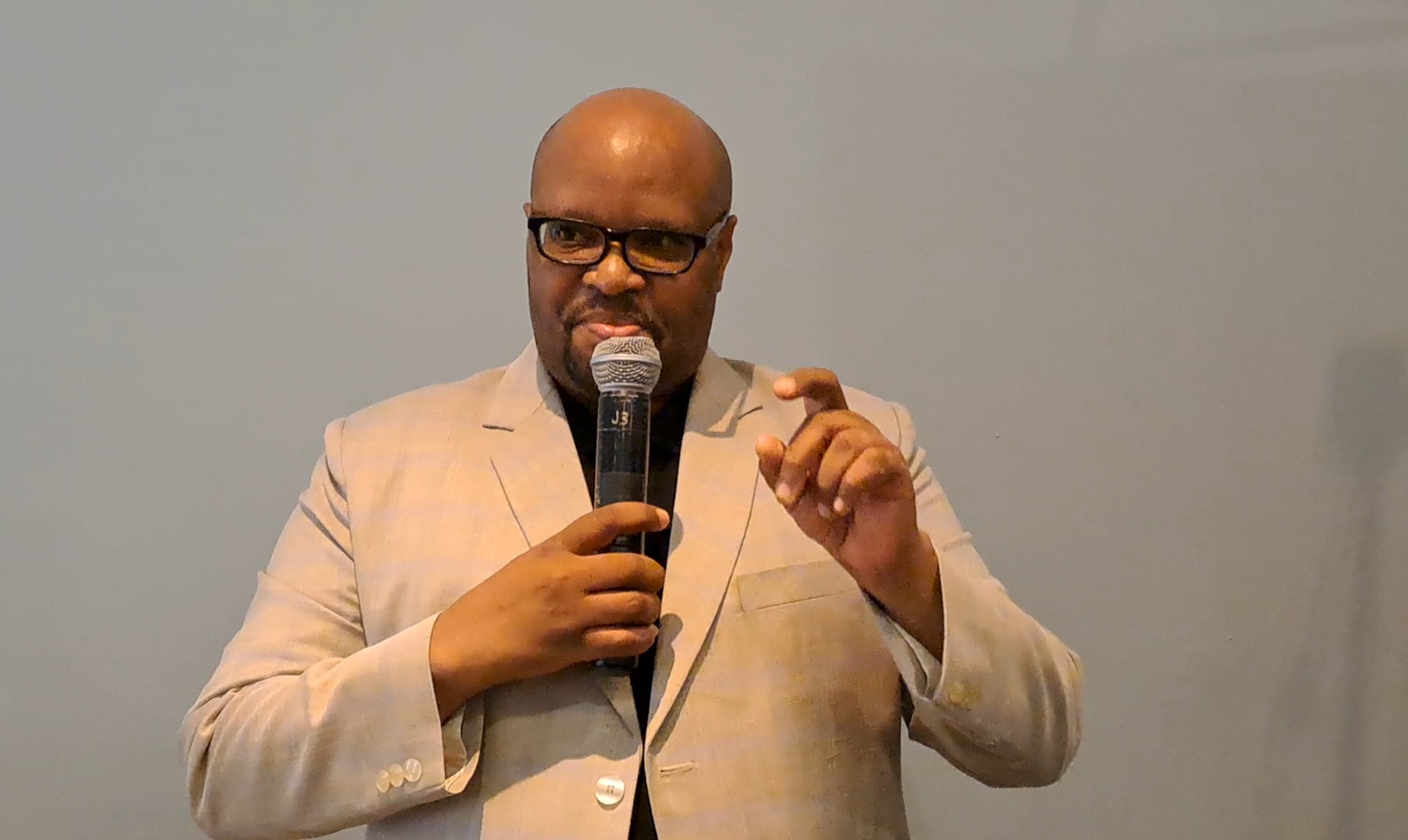
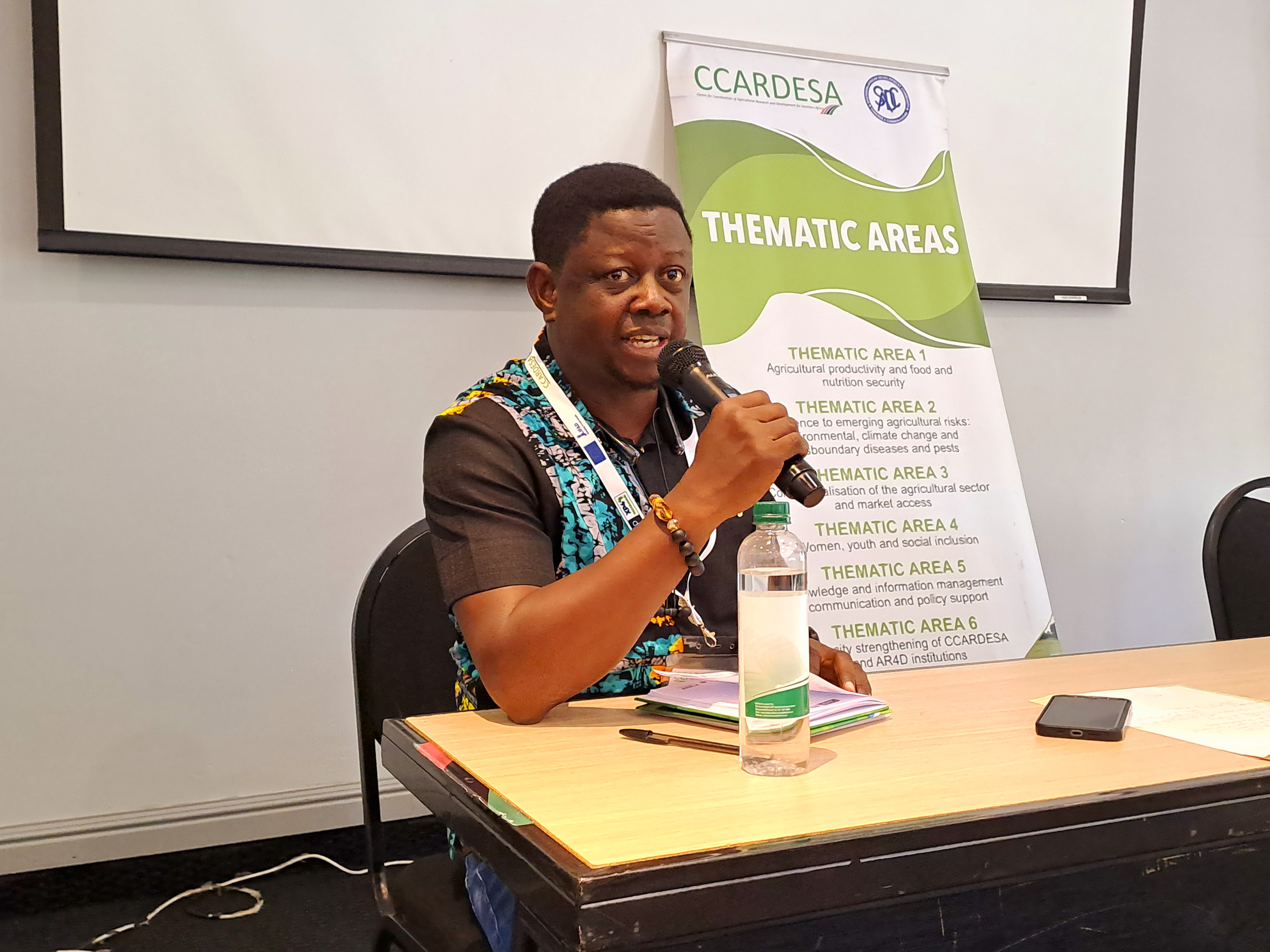
During the panel discussion on “Leveraging Tools for Knowledge Management and Policy Influence in Eastern and Southern Africa Region and Africa as a whole,” Mr. Benjamin Abugri, Knowledge Management, Digitalization, and learning Lead Specialist at FARA, emphasised that Knowledge Management is a vital tool for sustainable development, central to donor-funded initiatives, as agencies increasingly require KM strategies. He intimated that the success of KM depends on tools that enable effective sharing of both tacit and explicit knowledge through either open or restricted access. Therefore, these tools must align with local contexts, integrating Indigenous and traditional knowledge, particularly in Africa, where ignoring this can lead to missed opportunities. He concluded that the continuous evaluation of KM tools is also crucial, ensuring they add value, remain relevant, are timely (considering advancements like AI), and are interoperable.
Mr. Benjamin Abugri, Knowledge Management, Digitalization & Learning Lead Specialist, FARA
The Author is the Principal Agricultural Information Officer for the National Agricultural Information Services (NAIS).
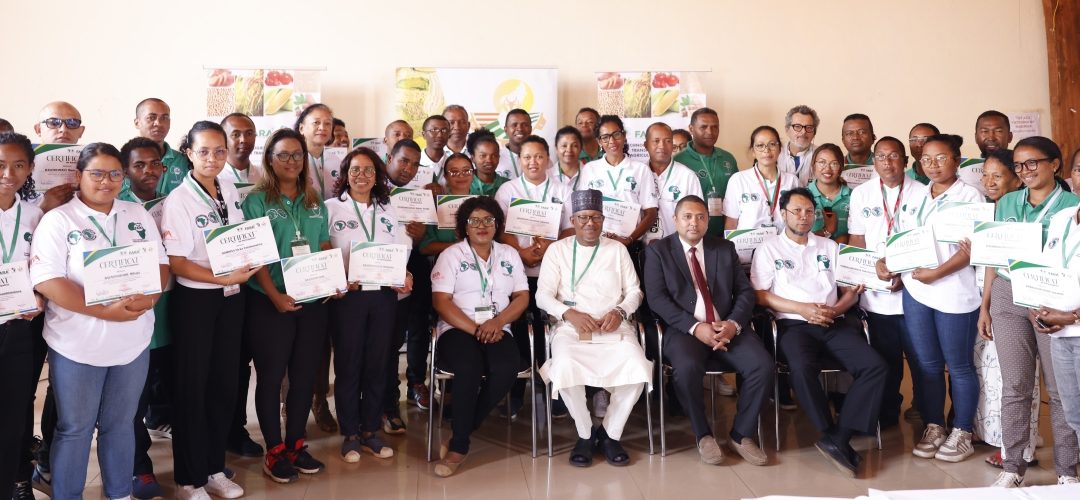
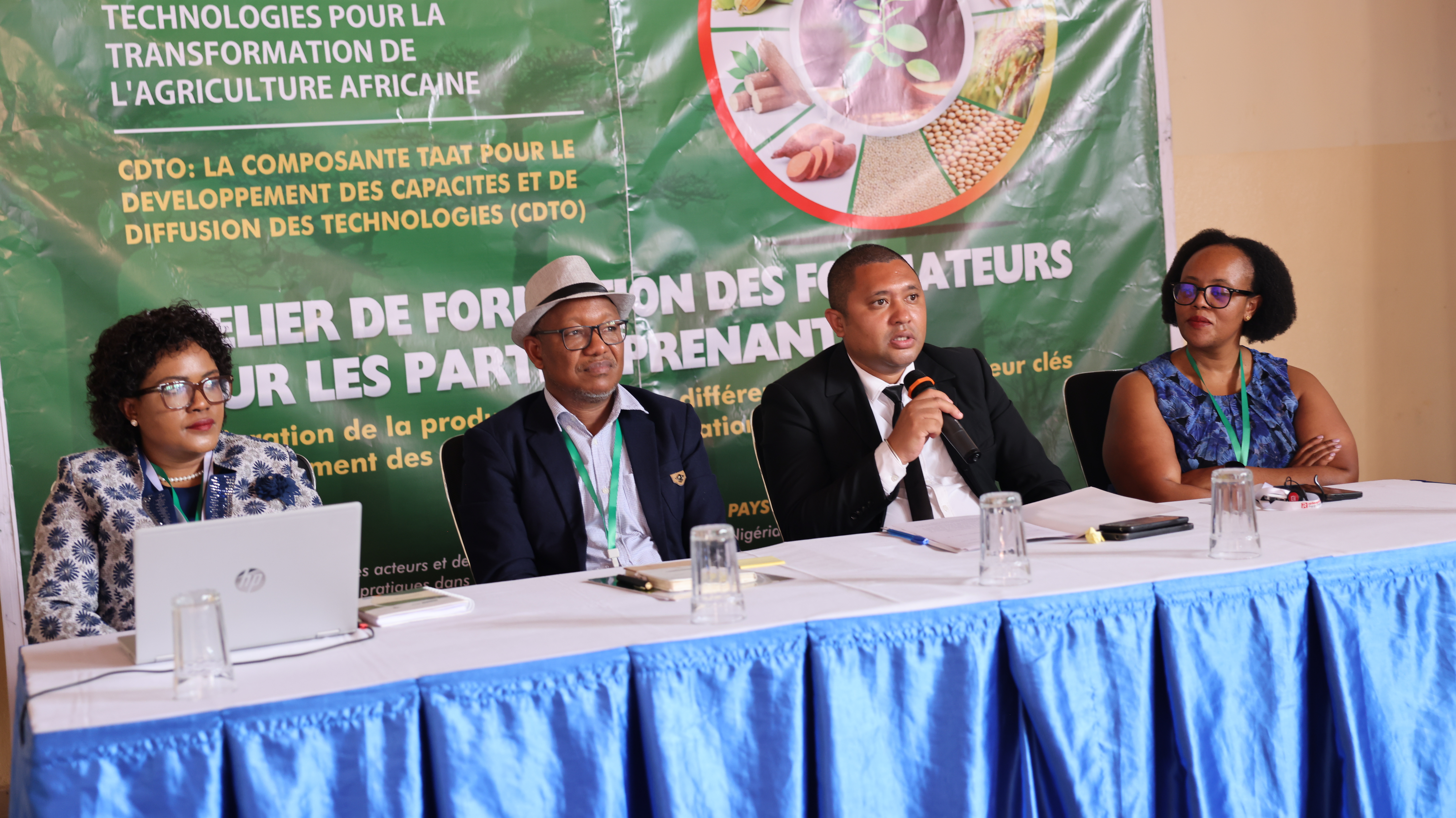
The Centre for Coordination of Agricultural Research and Development for Southern Africa (CCARDESA) attended a pivotal Stakeholders’ Training of Trainers (ToT) workshop from October 28 to 31, aimed at enhancing agricultural value chains and strengthening Innovation Platforms (IPs) under the Technologies for African Agricultural Transformation (TAAT) initiative. The workshop brought together about 60 participants from various sectors of the agricultural community in Madagascar.
The event was officially opened by Mr. Randrianaivomanana Andritiana Luc, Director General of La Coordination Générale des Projets et Partenariats (CGPP), who underscored the Madagascan government’s commitment to promote agriculture, food security, and nutrition. He acknowledged the collaborative efforts by regional and continental partners such as CCARDESA, the Forum for Agricultural Research in Africa (FARA), the African Development Bank (AfDB), and CGIAR Centers to strengthen the agricultural sector.
In her address, Ms. Futhi Magagula, CCARDESA Programmes Officer, highlighted CCARDESA’s crucial role in the SADC region in coordinating collaborative research to develop and disseminate improved agricultural technologies. She discussed CCARDESA’s leadership in the regional implementation of the Food Systems Resilience Programme (FSRP), which includes Madagascar along with Malawi, Tanzania, and Comoros.
The workshop was facilitated by FARA, as the organization that has been commissioned by the AfDB to lead the Capacity Development and Technology Outreach (CDTO) compact of the TAAT initiative. CDTO’s mission is to enhance capacities within the TAAT ecosystem by deploying an IP approach to meet the objectives of the AfDB’s Feed Africa Initiative.
TAAT aims to double productivity for crops, livestock, and fish, targeting over 40 million smallholder farmers by 2025. The initiative seeks to generate an additional 120 million metric tons of food and lift 130 million people out of poverty across the continent.
Dr. Abdulrazak Ibrahim, FARA’s Institutional Capacity & Future Scenarios Cluster Lead Specialist, emphasized the importance of collaboration among TAAT partners and stakeholders.“TAAT is all about taking technologies from the shelf and delivering them to the last mile,” he remarked. This collaborative approach aims to ensure the rapid dissemination of knowledge and technology in agricultural practices across Africa.
During the workshop, participants established around 12 IPs focusing on key commodities such as cassava, maize, rice, sorghum, beans, peanut, sweat potato, irish potato, cocoa, bio fertilizer, and dairy milk. These platforms were encouraged to register on the FARA portal to access small grant support from TAAT, enabling them to implement activities and seek additional funding opportunities.
The successful hosting of this workshop marks a significant step towards improving food systems in Madagascar and underscores the commitment of stakeholders working together to create lasting change in the agricultural landscape of Africa.
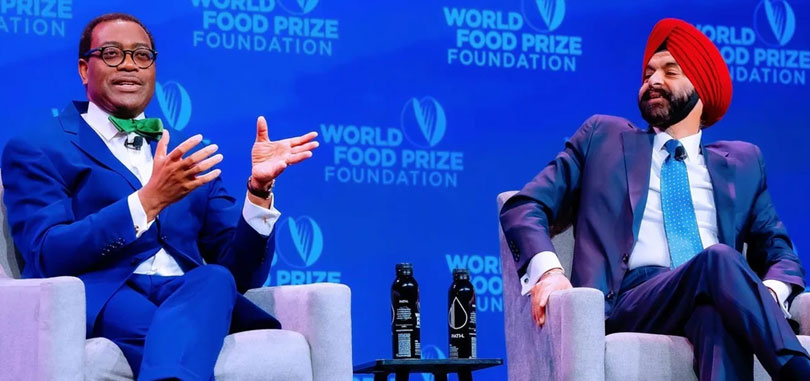
The president of the African Development Bank Group Dr. Akinwumi Adesina and his counterpart at The World Bank Bank Ajay Banga, stressed the need for more global action against hunger, a goal slipping further away due to the combined effects of conflict, economic challenges and climate change.
“There is nothing more important than feeding the world. Multilateral Development Banks (MDBs) play an important role in that,” Adesina declared. He stressed the crucial role of international financial institutions in helping achieve this task.
Addressing the topic of climate change and farmers’ livelihoods Banga noted that in Africa, only 4% of global climate financing goes to agriculture.
He stressed the need for scalable solutions to support Africa’s small farmers. “The focus must be on scale and ecosystems,” he said, pointing to the World Bank’s efforts to enhance farmers’ access to energy, internet, and credit guarantees, creating a comprehensive support network.
Both leaders highlighted the urgency of engaging Africa’s youth in agriculture. The African Development Bank’s “Enable Youth” program and the World Bank’s focus on youth employment initiatives, reflect a shared commitment to harnessing Africa’s demographic dividend for agricultural transformation and economic prosperity.
“If we don’t put finance behind young people’s ideas, that’s the biggest risk,” Adesina warned.
ABOUT The CAAPs
The Common African Agro-Parks Programme (CAAPs) was initiated in 2019 as one of the concrete initiatives of the Comprehensive African Agricultural Programme (CAADP) to be implemented within the framework of the African Union (AU) Agenda 2063 in order to achieve the CAADP Malabo commitments, particularly the commitment to “triple intra-African trade in agricultural commodities and services.”
Abuja, Nigeria, October 22, 2024, | by Abbas Jimoh
The Economic Community of West African States (ECOWAS), Alliance for Agroecology in West Africa (3AO), West Africa Organic Network (WAfrONet) and ActionAid Nigeria (AAN) have reached an agreement to develop a sustainable security system for food sovereignty in West Africa.
The organisations at a Stakeholders ‘Forum on Agroecology and Organic Agriculture in West Africa’, on Monday in Abuja said the collaboration is through the implementation of public policies and interventions that value the structural solutions provided by resilient practices derived from agroecology, organic farming and climate-smart agriculture.
President of the ECOWAS Commission, Dr Omar Alieu Touray, said the collaboration became necessary because food systems in West Africa are currently facing several and severe crises, including the effects of climate change.
He lamented that the conventional models of agricultural production adopted to date have shown little resilience to the effects of climate change and sometimes contribute to soil impoverishment, thereby exacerbating food insecurity, income depletion and the vulnerability of populations.
He said despite contributing very little to global warming, with just
1.8% of global greenhouse gas emissions, ECOWAS countries are at the heart of the climate change challenges facing the first half of the 21st century.
He also said the most pessimistic scenarios, between now and 2060, West Africa will experience a temperature rise of +2.3°C, i.e., a warming of +0.6°C per decade.
“The number of days of potentially lethal heat could reach 50 to 150 per year for a global warming of 1.6°C and 100 to 250 per year for a global warming of 2.5°C, with the greatest increases in coastal areas.
The risk of heat-related mortality is now 6 to 9 times higher than the 1950-2005 average at 2°C global warming,” Touray said.
The Country Director of ActionAid Nigeria, Mr Andrew Mamedu, said the forum was of strategic importance, especially as it provided an opportunity to share and analyse, with all the agricultural and political players in the region.
“The Strategic Partnerships for Agroecology and Climate Justice in West Africa (SPAC-West Africa) project, which spans three countries-Liberia, Nigeria, and Senegal- is currently demonstrating the power of agroecology in transforming the lives of women and young people across the region.
“This three-year project, funded by ActionAid International’s Transformative Impact Fund (TIF), seeks to improve the lives of 250,800 smallholder women farmers and young people, reaching over 1.5m household members. Its ultimate objective is to deliver food and nutrition security, climate-resilient livelihoods, and a transformed agricultural landscape across West African communities,” Mamedu said.
He noted the importance of the mechanisms and opportunities for increasing funding for the three approaches to sustainable agriculture, instruments that can be mobilised, their effectiveness and efficiency; and pragmatic support policies in the region.
ABOUT The CAAPs
The Common African Agro-Parks Programme (CAAPs) was initiated in 2019 as one of the concrete initiatives of the Comprehensive African Agricultural Programme (CAADP) to be implemented within the framework of the African Union (AU) Agenda 2063 in order to achieve the CAADP Malabo commitments, particularly the commitment to “triple intra-African trade in agricultural commodities and services.”
The African Union Commission, under the dynamic leadership of H.E. Ambassador Josefa Sacko, has appointed the Forum for Agricultural Research in Africa (FARA) as the official Secretariat for the Soil Initiative for Africa (SIA) and the Africa Fertilizer and Soil Health Action Plan (AFSH-AP). This landmark appointment, announced at the high-level 20th CAADP Partnership Platform (CAADP-PP) meeting in Harare, Zimbabwe, represents a significant advancement toward sustainable soil health and fertilizer solutions across Africa.
H.E Amb. Josefa Sacko, AUC-DARBE Commissioner
Ambassador Sacko’s visionary leadership and commitment to agricultural transformation through partnerships and strategic coordination are highlighted by this appointment. In her opening remarks, she called for a unified approach among African organizations, emphasizing that the success of the AFSH-AP and SIA depends on collaboration, not competition. She underscored the necessity of collective commitment to achieve the objectives of the 2024 Presidential Declaration on Africa Fertilizer and Soil Health, which sets forth an ambitious ten-year plan to address Africa’s soil and fertilizer challenges.
Ambassador Sacko’s endorsement of the SIA coordination framework—crafted by a dedicated technical working group—establishes a comprehensive structure for regional and national implementation. This framework assigns FARA as the Secretariat, supported by the African Union Development Agency (AUDA-NEPAD) as the lead coordinating entity and Regional Economic Communities (RECs) and Sub-Regional Organizations (SROs) as regional facilitators through designated hubs. This coalition, organized around five thematic areas, will provide focused support at the continental, regional, and national levels to ensure effective implementation of AFSH-AP objectives.
In a powerful keynote, Prof. Richard Mkandawire emphasized the importance of “Coordination, Cooperation, Capacity, and African Leadership” in advancing AFSH-AP. Zimbabwe’s Deputy Minister of Lands, Agriculture, Fisheries, Water, and Rural Development, Hon. Vangelis Haritatos, reaffirmed Zimbabwe’s commitment to agricultural productivity and soil health, announcing new government investments, including funds to revitalize the Africa Center for Fertilizer Development (ACFD) in Harare, a key step in bolstering Africa’s fertilizer production capacity.
Section of Panelists from the ‘How Not to Implement the AFSH-AP: Learning from Experience’ Panel discussion
A “fireside chat” session, titled “How Not to Implement the AFSH-AP: Learning from Experience,” shed light on critical insights for the successful execution of Africa’s soil health agenda. Panelists, including Deputy Minister Odd Arnesen, Mr. Noel Ujeneza, and Madam Bongiwe Njobe, stressed the urgency of action-oriented leadership, highlighting the need to reduce bureaucracy as other continents advance. They advocated for greater private sector involvement, an enhanced Africa Fertilizer Financing Mechanism (AFFM-II), and a blend of mineral and organic fertilizers to strengthen Africa’s agricultural resilience.
The appointment of FARA as the SIA Secretariat is a pivotal moment, inspiring stakeholders to unite under this visionary framework to achieve the ambitious goals of the Soil Initiative for Africa and AFSH-AP. Guided by Ambassador Sacko’s leadership, Africa is poised for a transformative journey toward sustainable agricultural development, unity, and a shared commitment to a food-secure future.