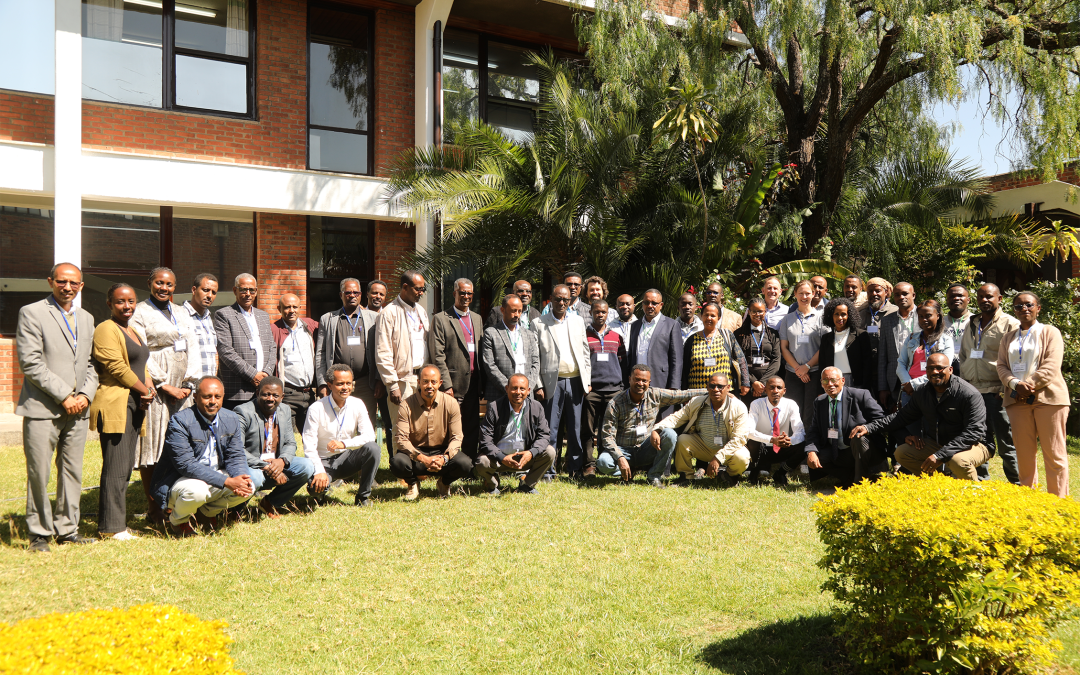
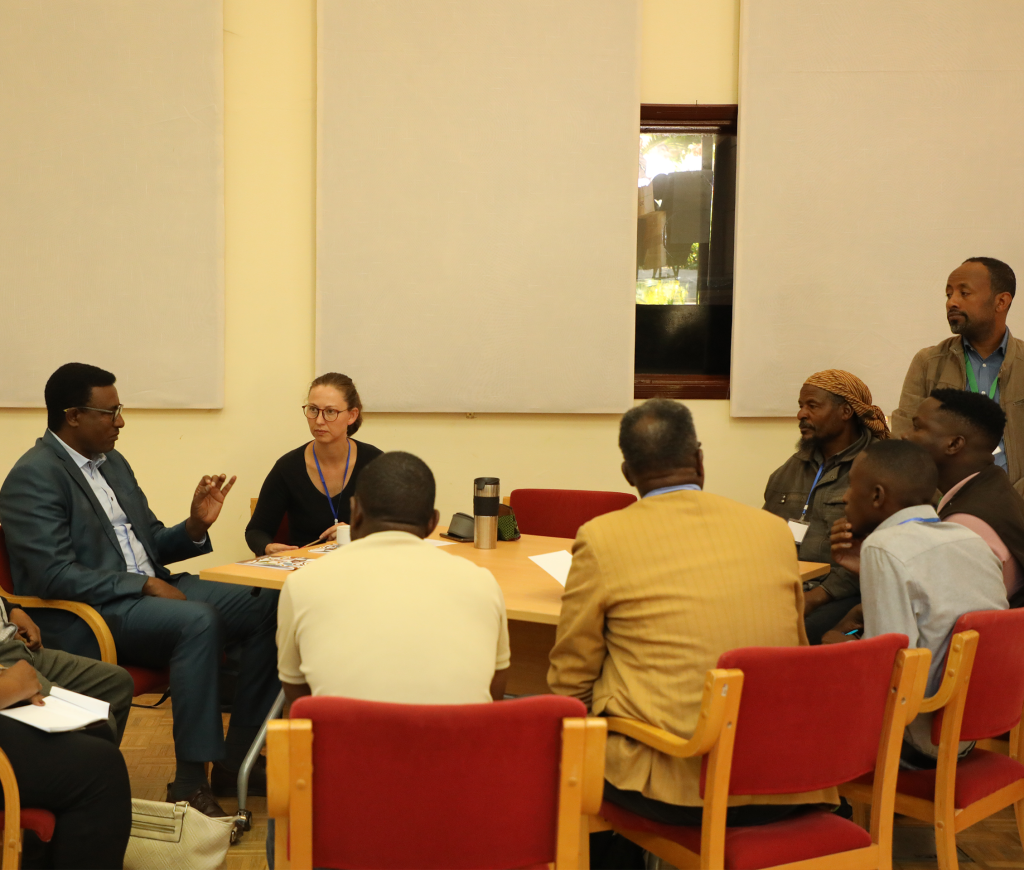
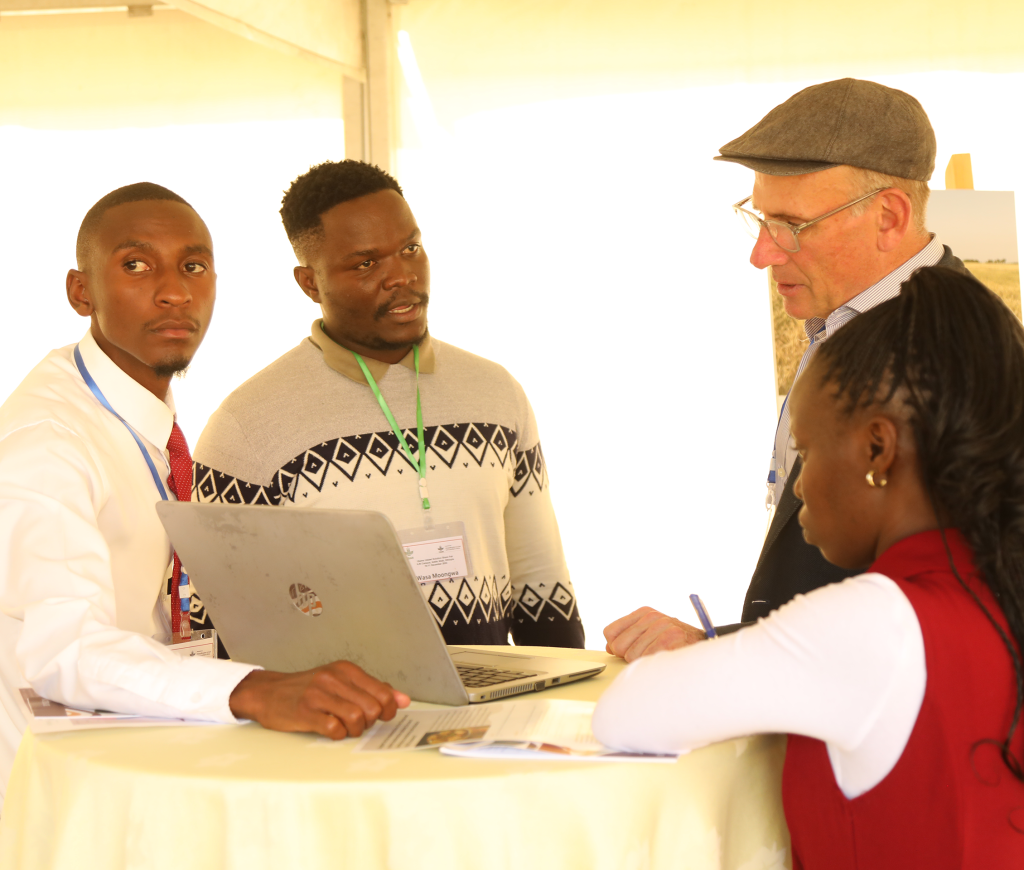
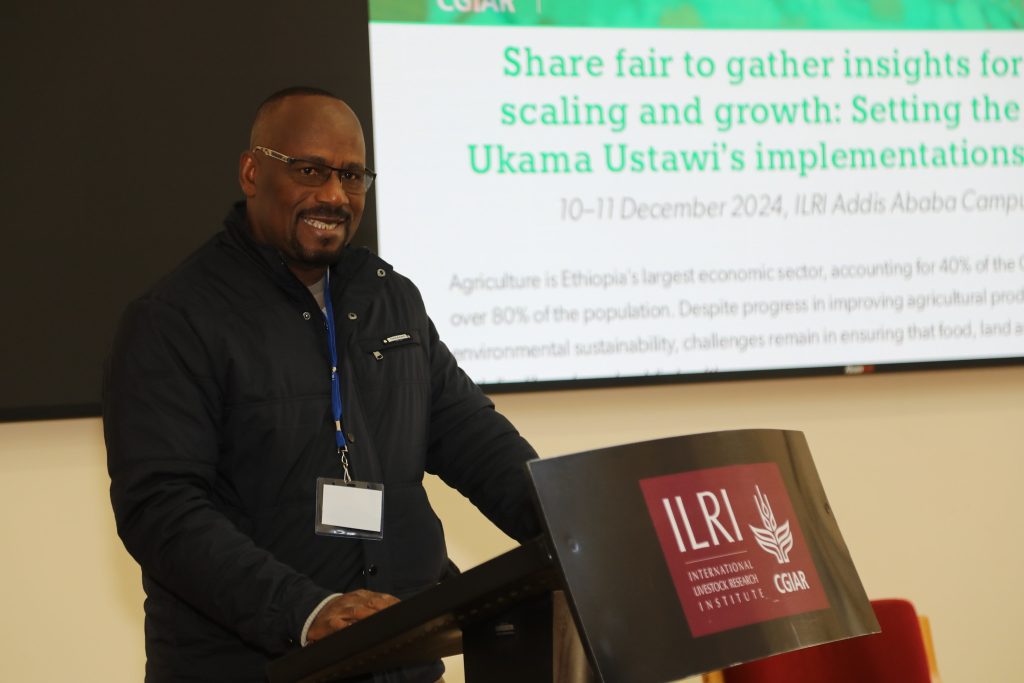
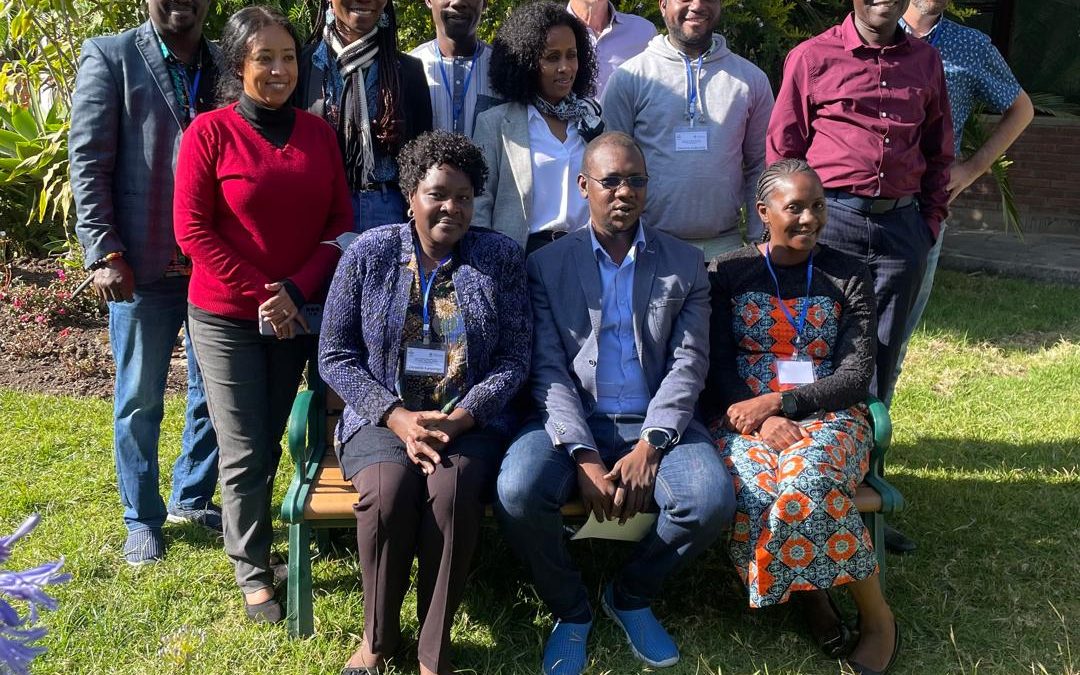
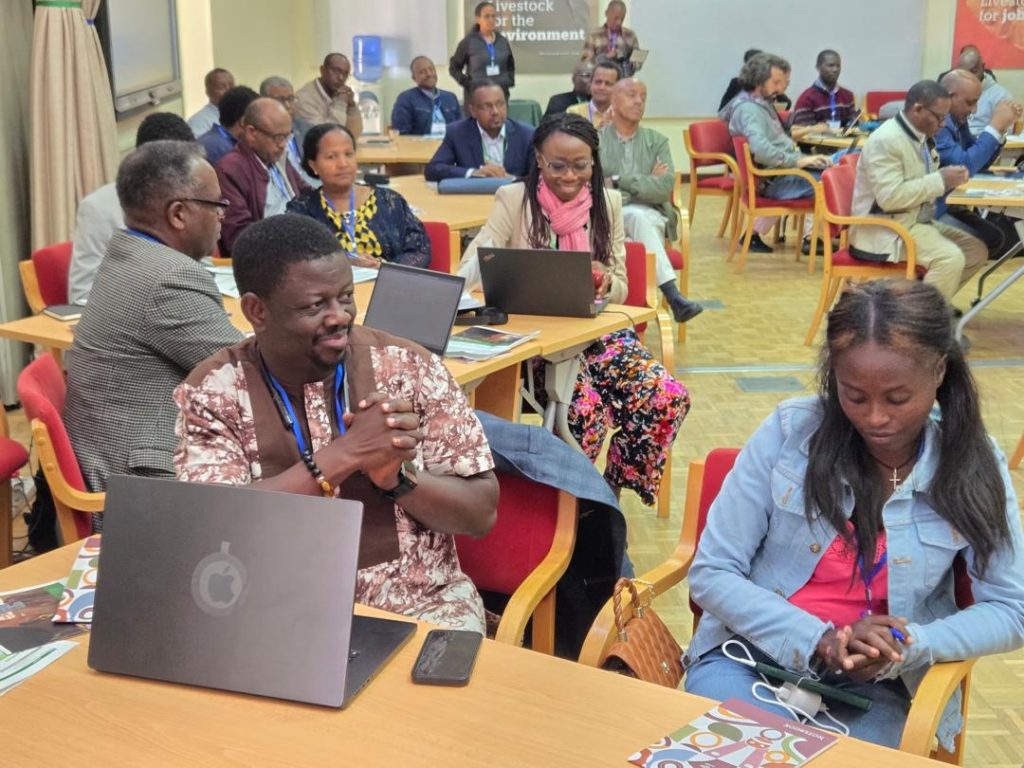
A pressing need for systematic knowledge exchange between CGIAR and African Regional Research Institutions has driven the creation of the Ukama Ustawi’s Learning Alliance (UULA), a dynamic partnership designed to bridge research findings and on-the-ground application. This ambitious initiative took center stage at a recent Solutions ShareFair in Addis Ababa at the ILRI Campus from 10-11 December, 2024 where diverse stakeholders convened to co-create practical solutions and strengthen Africa’s agrifood systems.
The UULA is anchored in the CGIAR-CAADP-XP4 Knowledge Management Framework and aims to enhance information flow among National Agricultural Research Systems (NARS), extension workers, farmers, and policymakers. By ensuring research is not only accessible but also actionable, the Learning Alliance aspires to transform data-rich but often underutilised academic insights into tangible outcomes that address Africa’s pressing agricultural challenges.
The Solutions Share Fair aimed to highlight agricultural innovations introduced by CGIAR and its partners in Ethiopia over the last three years, assemble a targeted portfolio of solutions suited to Ethiopia’s specific agrifood conditions, and strengthen partnerships among stakeholders as CGIAR’s new research agenda takes shape. These objectives underscore the importance of multi-level engagement—from NARS to extension services and from local policymakers to regional authorities. Through the Learning Alliance, partners like CCARDESA, ASARECA, CORAF, AFAAS, and FARA demonstrated how integrated efforts can spur innovation, increase resilience, and promote sustainable development.
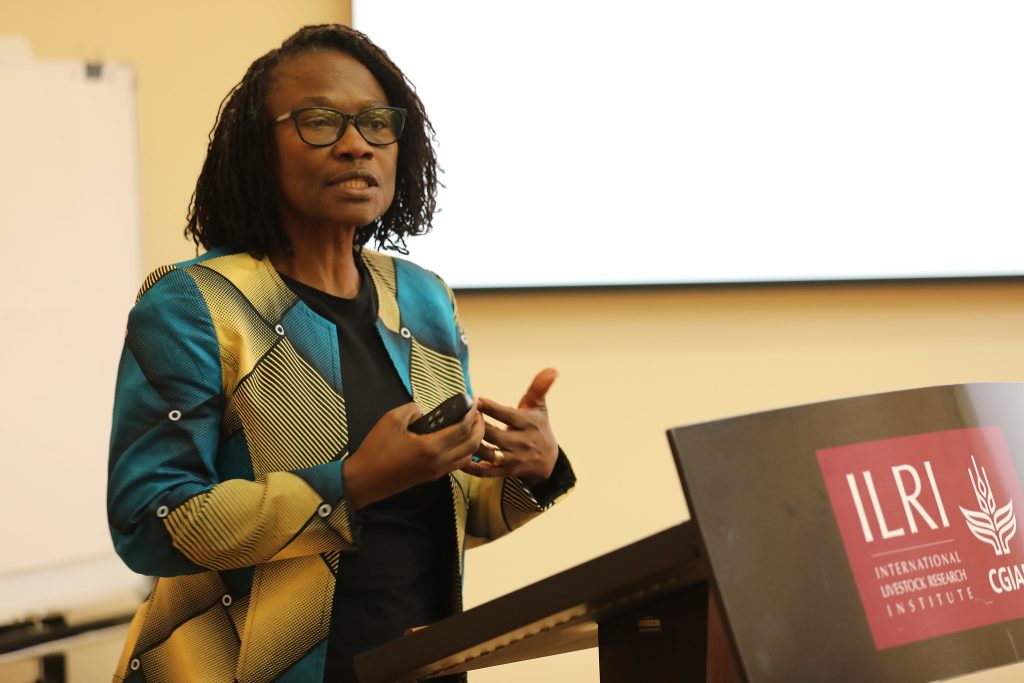
“Ukama Ustawi has been instrumental in connecting the CGIAR with the CAADP-XP4 network, including AFAAS, ASARECA, and other regional partners,” said Dr. Namukolo Covic, a CGIAR leader closely involved with the Learning Alliance. “The Learning Alliance serves as a network for improving Knowledge Management and ensuring that valuable research is practical and usable. This approach ensures that agricultural insights are translated into interventions that directly benefit communities.”
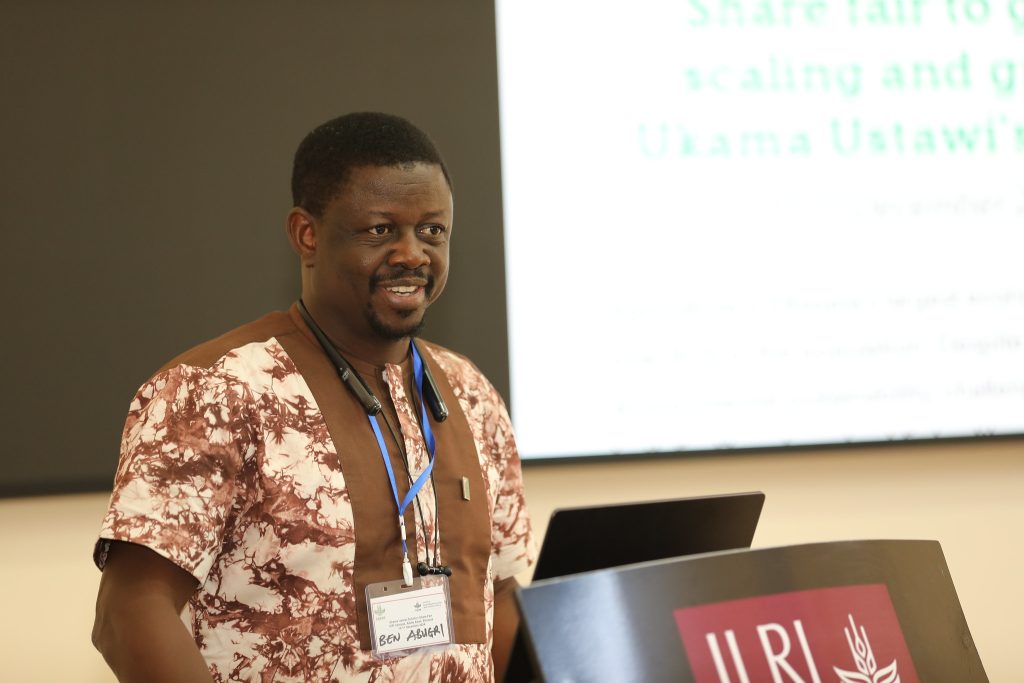
Dr Covic also acknowledged Mr Abugri’s recent honour: “I would like to congratulate Benjamin for winning the International Knowledge Management Award 2024., bestowed upon an international organisation as well as an outstanding personality by a jury constituted under the auspice of the Association Knowledge Management Austria. He truly exemplifies the best in knowledge acquisition and sharing.”
Mr. Benjamin Abugri, a Knowledge Management Specialist from FARA, officially opened the meeting and spoke on behalf of the CAADP-XP4 Consortium, emphasizing the focus on farmers as key drivers of agricultural transformation. He highlighted the adoption of Climate-Smart Agriculture (CSA) technologies, fostering inclusive collaboration, and using platforms like Dgroups to share knowledge. He also underscored strong ties with CGIAR, events like MITA for knowledge exchange, and alignment with the African Union’s CAADP Malabo agenda and Soil Initiative to ensure food security and sustainability.
Ms. Nora Hanke-Louw, Deputy Head of Office for IWMI South Africa, delivered an insightful presentation on the Ukama Ustawi (UU) initiative. She provided an overview of its impact at the initiative level. She highlighted previous Share Fairs in Southern Africa, showcasing UU’s regional reach and commitment to fostering sustainable agricultural practices.
Despite the wealth of agricultural research produced across the continent, much remains confined to academic journals. Recognizing this, the Solutions Share Fair provided a platform for dialogue, enabling stakeholders to discuss and refine innovations that address Ethiopia’s unique agrifood challenges. Participants worked together to curate an evidence-based, context-specific portfolio of solutions, each informed by local knowledge and inclusive of farmers’ voices. The share fair showcased Innovative technologies around Livestock feeds, seed breeding, Climate Smart Friendly and regenerative agricultural equipment and machinery, Innovations around capacity-strengthening efforts to reach women, youth, and the private sector; Gender led innovations on small ruminants such as goats in Ethiopia, a Geo Agro App that tests the Soil PH for Farmers, solar powered innovations that can be purchased in a cooperative or through the bank among others.
In addition to high-level experts, Share Fair’s panel discussions included representatives from government ministries, the private sector, and farmer organizations. Mr. Elias Awol, CEO of Smallholder Irrigation Development at the Ministry of Agriculture, underscored Ethiopia’s dedication to scaling solutions that enable smallholder farmers to adopt new technologies and farming practices. Discussions also touched on issues such as solar panel maintenance for irrigation and gender mainstreaming, as women often provide significant agricultural labor yet face barriers to resource access and decision-making.
As the event concluded, Michael Victor, Head of Communications, Advocacy, and Knowledge Management at ILRI, moderated conversations about the future and how to link current initiatives with the Scaling for Impact Science Program to ensure long-term sustainability and real-world benefits.
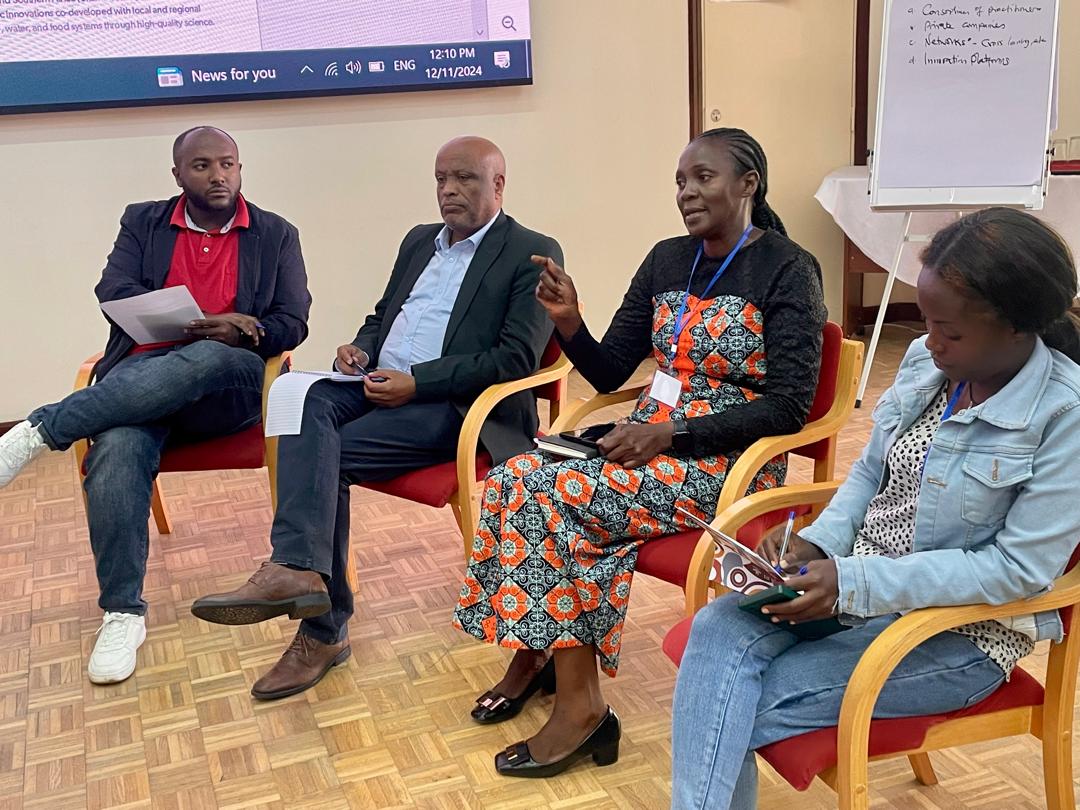
Mr. Michael Victor, Head of Communications, Advocacy, and Knowledge Management, led a panel discussion exploring key strategies to scale impactful science programs. The panel addressed essential questions, including the elements needed to scale impact effectively, how CGIAR can engage partners to assess national innovation demands, pathways for scaling innovations in the CCARDESA region, and a direct request to CGIAR from the demand side. The discussion highlighted the importance of collaboration, robust mechanisms, and strategic pathways to enhance food systems and drive sustainable solutions.
Prof. Nieyidouba Lanien, Programs Coordinator at CORAF, emphasized their region’s focus on sustainability and innovation. “We work on initiatives that support farmers using an innovation platform approach and adopt methods such as TAAT (Technologies for African Agricultural Transformation) to ensure present and future resilience,” he said.
“The principle of subsidiarity, scaling, and reaching the last mile—the farmer—guides our work,” said Mrs Bridget Kakuwa -Kasongamulilo speaking as a panelist. “We focus on farmers because they are the key. It’s not enough to have cutting-edge technologies; we must ensure that these innovations are effectively adopted, integrated into policies, and aligned with African Union initiatives, including CAADP Malabo, to guarantee food security and sustainability.” She appealed to the CGIAR to use the SROs Network as entry points into member states since the AU and Regional Economic Communities (RECs) mandate them to coordinate Agricultural research at the regional level.
Looking ahead, the Ukama Ustawi’s Learning Alliance will continue to foster dialogue, integrate local and indigenous knowledge, and champion the flow of proven technologies to communities that need them most. By harnessing collaborative energy, knowledge, and resources, the Alliance and its partners are laying the groundwork for a robust, equitable, and climate-resilient African agrifood system.
For the farmers whose livelihoods depend on timely, accurate, and context-specific information, and for the research institutions seeking to make an impact beyond the laboratory, the UULA and events like the Solutions Share Fair offer renewed hope that knowledge can—and will—be transformed into action.
Ms. Bridget Kakuwa is Information, Communication and Knowledge Management Officer at the Center for Coordination for Agriculture in Southern Africa (CCARDESA)
Mr. Benjamin Abugri is Lead Specialist for the Knowledge Management, Digitalization and Learning Cluster at the Forum for Agricultural Research in Africa (FARA)
Addis Ababa, Ethiopia — December 13, 2024 — The CGIAR and CAADP-XP4 Partners successfully concluded the “Second Workshop to Operationalize the African Agricultural DSpace Repository” at the ILRI Campus in Addis Ababa, Ethiopia. This three-day event, held from December 11 to 13, brought together Knowledge Management Officers, IT and web developers from CAADP-XP4 Partners (FARA, CCARDESA, AFAAS, CORAF, and ASARECA) alongside CGIAR experts led by the International Livestock Research Institute (ILRI). The workshop reinforced partnerships and took concrete steps toward advancing the African Agricultural Research Information and Innovation Space (AARIISpace).
Key Achievements of the Workshop
The workshop provided an invaluable opportunity to:
Take Stock of Collaborative Progress: Participants reviewed achievements and challenges in implementing the Knowledge Management Partnership Framework signed during the AASW8 in Durban.
Build Capacity and Share Lessons: The sessions drew on ILRI’s decade-long experience with CGSpace, enabling the integration of Indigenous knowledge, metadata standardization, and AI-driven insights into AARIISpace.
Develop Technical Configurations: We discussed common vocabularies and functionalities for the AARIISpace platform, laying the groundwork for operational efficiency.
Set Clear Actions: A timeline to configure, launch, and roll out AARIISpace by mid-2025 was agreed upon, ensuring widespread accessibility among regional and national partners.
Speaking at the event, Michael Victor, Head of Communications, Advocacy and Knowledge Management at ILRI, and Benjamin Abugri, Knowledge Management, Digitalization and Learning Lead Specialist, speaking on behalf of the partnership, noted, “This workshop underscores our shared commitment to transforming agricultural research and innovation through knowledge management. AARIISpace will be a cornerstone of this effort, ensuring inclusive, sustainable, and scalable impact.”
Strengthening Partnerships and Knowledge Sharing
The collaborative spirit of the workshop was evidenced by the following achievements over the past three years:
Active participation in KM4AgD Challenges and conferences, resulting in over 21 certified Knowledge Management practitioners.
Engagement in strategic policy dialogues and workshops, including the GESI workshop in Malawi and KM sessions in Johannesburg.
Collaborative hosting of knowledge-sharing fairs in Zimbabwe and Ethiopia, showcasing innovative practices and research outputs.
Policy validation exercises with regional partners, ensuring alignment with stakeholder needs.
Looking Ahead: Revewed Areas of Collaboration
The workshop concluded with a shared commitment to:
Strengthen partnerships under the existing MOU, extending collaboration through 2025.
Publish the inaugural Africa Knowledge Management Report in 2025.
Expand the KM4AgD Communities of Practice through targeted activities.
Promote subsidiarity principles, fostering national-level knowledge management policies and strategies.
Jointly develop funding proposal and host a global Knowledge Management Share Fair focused on KM4AgD and AI in Africa.
Appreciation and Call to Action
CGIAR and CAADP-XP4 Partners expressed gratitude to all participants for their dedication and contributions. As AARIISpace moves toward full implementation, the partnership calls for the joint mobilization of financial and human resources to ensure the platform’s success.
For media inquiries, please contact:
Benjamin Abugri – KM, Digitalization and Learning Cluster Leader, FARA – [email protected]
Michael Victor – Communications, Advocacy and KM Lead, CGIAR-ILRI – [email protected]
About CGIAR: CGIAR (Consultative Group on International Agricultural Research) is a global research partnership for a food-secure future, dedicated to reducing poverty, enhancing food and nutrition security, and improving natural resources and ecosystem services. The CGIAR is made of fifteen (15) Institutes with ILRI coordinating KM in this partnership.
About CAADP-XP4:
The Comprehensive Africa Agriculture Development Programme ex-Pillar 4 (CAADP-XP4) Institutions support African agricultural research and innovation systems in delivering sustainable solutions for improved productivity, resilience, and livelihoods across the continent. It is made of Forum for Agricultural Research in Africa (FARA), the African Forum For Agricultural Advisory Services (AFAAS), Centre for Coordination of Agricultural Research and Development for Southern Africa (CCARDESA), West and Central African Council for Agricultural Research and Development (CORAF) and Association for Strengthening Agricultural Research in Eastern and Central Africa (ASARECA)
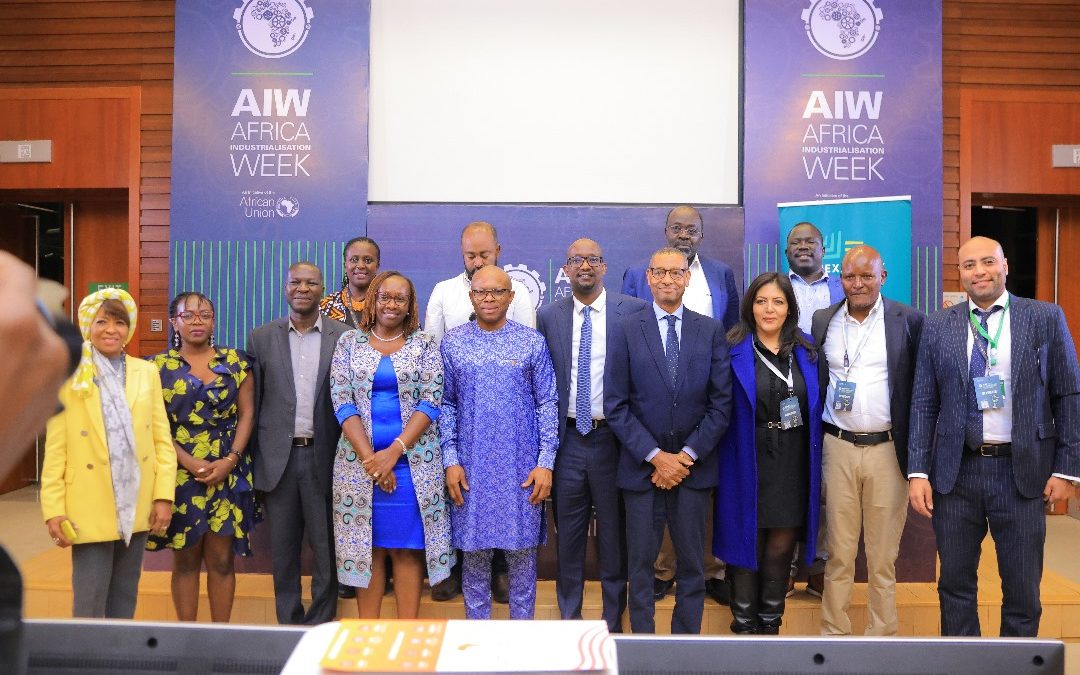
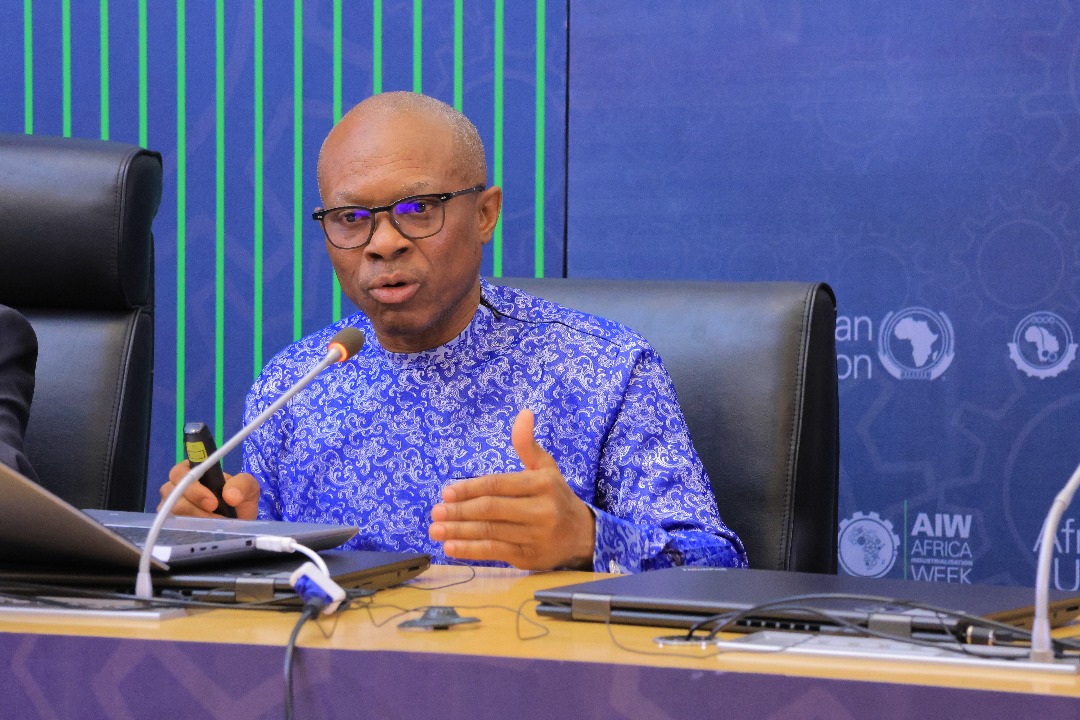
On the margins of Africa Industrialization Week 2024, a landmark side event titled “Scaling Africa’s Agro-Industrialization through the Common African Agro-Parks (CAAPs): What Role for Green Investments?” brought together high-profile stakeholders to discuss Africa’s agro-industrialization agenda and the transformative role of green investments.
Organized by Afreximbank with the support of the Forum for Agricultural Research in Africa (FARA), the event underscored the strategic importance of the CAAPs initiative in advancing sustainable agro-industrial development. The initiative, closely aligned with Agenda 2063 and the African Continental Free Trade Area (AfCFTA), focuses on establishing agro-parks to enhance value addition, foster regional integration, and promote environmental sustainability.
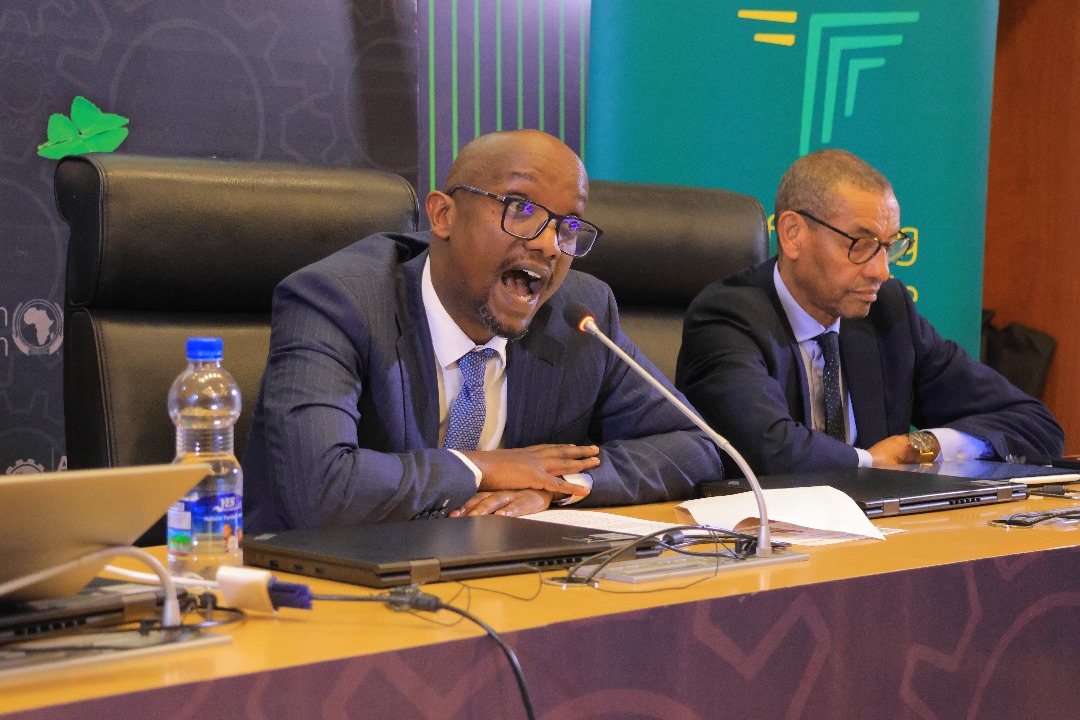
Mr. Anselme Vodounhessi, Coordinator of CAAPs at FARA,
The event opened with remarks from Mr. Christian Ndikumagenge, a representative of Afreximbank, who emphasized the institution’s commitment to leveraging green financing for industrial growth across Africa. Mr. Anselme Vodounhessi, Coordinator of CAAPs at FARA, followed with an introduction to the initiative, highlighting its transformative potential in addressing food security, job creation, and economic resilience while integrating technologies and circular economy approaches to maximize resource efficiency.
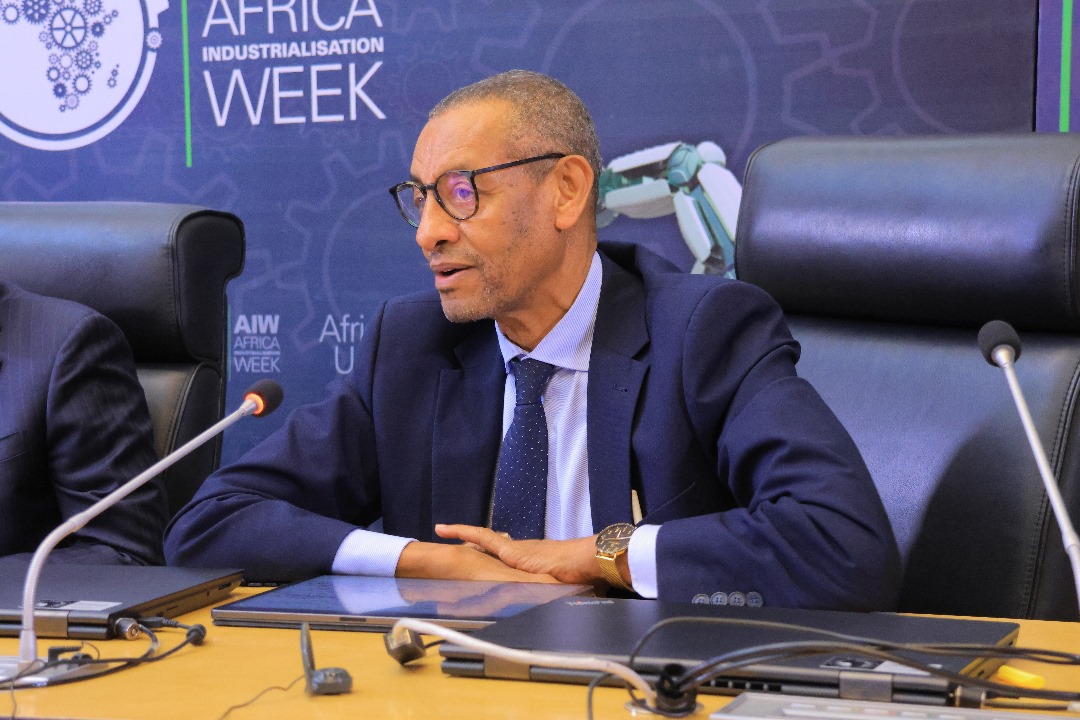
Dr. Dejene Tezera, Director of the Department of Agri-Business at UNIDO
A dynamic panel discussion featured Dr. Dejene Tezera, Director of the Department of Agri-Business at UNIDO, alongside other distinguished experts. The panel explored innovative green financing mechanisms such as blended finance, green bonds, and sustainability bonds. Discussions also emphasized the critical role of policy alignment, technology integration, and public-private partnerships in operationalizing CAAPs zones effectively while leveraging green financing instruments to ensure long-term sustainability.
The event concluded with a compelling call to action, urging stakeholders to prioritize investment in agro-industrial zones, starting with the flagship Zambia-Zimbabwe and Côte d’Ivoire-Ghana corridors. Participants reaffirmed the potential of CAAPs to transform Africa’s agricultural sector into a globally competitive and sustainable economic driver, addressing critical challenges such as food security, unemployment, and environmental degradation.
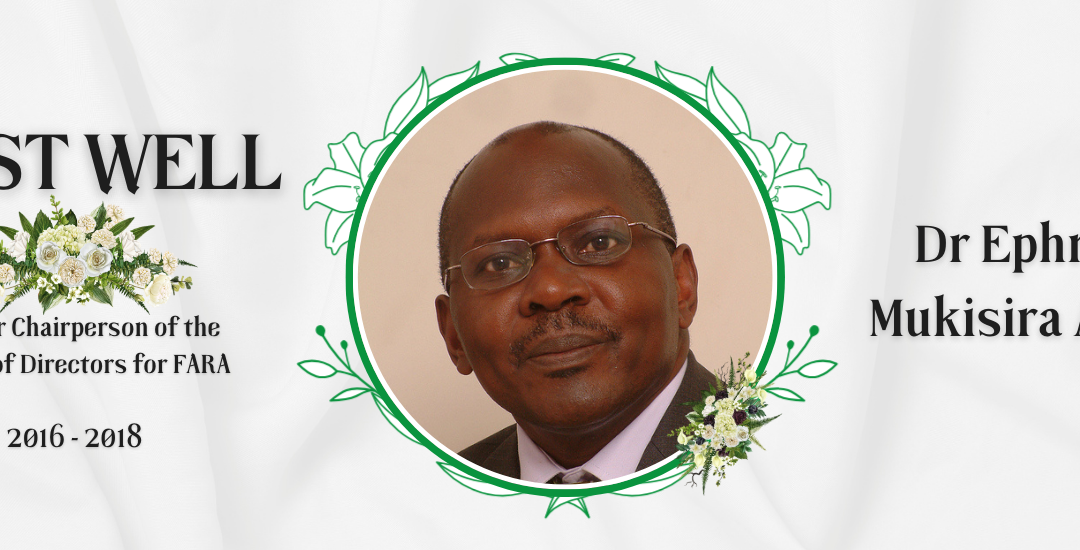
The Forum for Agricultural Research in Africa (FARA) deeply mourns the passing of Dr. Ephraim Mukisira Amiani, a distinguished leader, visionary, and former Chairperson of FARA (2016-2018).
Dr. Mukisira’s invaluable contributions to advancing agricultural research and development in Kenya and across the continent will forever be remembered. His tireless dedication to fostering innovation, collaboration, and capacity building in agricultural research transformed countless lives and contributed to improving Africa’s food and nutrition security.
Dr. Ephraim Mukisira Amiani
During his tenure as Chairperson of FARA, Dr. Mukisira demonstrated consummate leadership, guiding the organization with integrity and an unwavering commitment to unlocking the potential of science to drive Africa’s agricultural transformation. His legacy as a mentor, strategist, and advocate for science-based solutions to Africa’s food and agriculture challenges will continue to inspire generations to come.
On behalf of the entire FARA family, we extend our heartfelt condolences to Dr. Mukisira’s family, friends, and colleagues. May you find solace in the knowledge that his life’s work made a profound difference in the lives of many.
As we grieve this significant loss, let us celebrate Dr. Mukisira’s enduring legacy of service, leadership, and excellence.
May his soul rest in eternal peace.
With deepest sympathy,
The Forum for Agricultural Research in Africa (FARA)
Developing the Regional Hub to coordinate regional actions for the Soil Initiative for Africa (SIA) and the Africa Fertilizer and Soil Health Action Plan (AFSH-AP) is a key component of the structure to implement the AFSH Summit outcomes. The overall implementation structure (Figure 1) was approved for use over a series of exchanges that involve partners in African agriculture under the oversight of the AUC and the AUDA-NEPAD. The structure that supports the “Africa owned, and Africa Led Process” agenda for the SIA and AFSH-AP devolves overall leadership to AUC and AUDA-NEPAD as the authorizing environment.
The Forum for Agricultural Research in Africa (FARA) secretariat is designated as the coordination secretariat for the initiative. The Regional Economic Communities (RECS) and the Sub-Regional Organizations (SROs) in each of the subregions of Africa are expected to establish a regional hub to coordinate the member countries’ actions, among other roles. The West Africa Hub seems to have a structure in place; however, each region needs to develop its regional hub structure that aligns with the socio-cultural circumstances and the REC political system. The SIA secretariat attempts to provide a template for the Hub development and function in the guiding Terms of Reference (ToR) document for the RECS to domesticate.
The SADC secretariat, CCARDESA, with support from AUDA-NEPAD, is running a stakeholders’ workshop to review its Hub establishment document and validate it for subsequent regional endorsement and implementation. The workshop will take place from December 9th to 13th, 2024, at the Rainbow Towers Hotel and Conference Center in Harare, Zimbabwe.
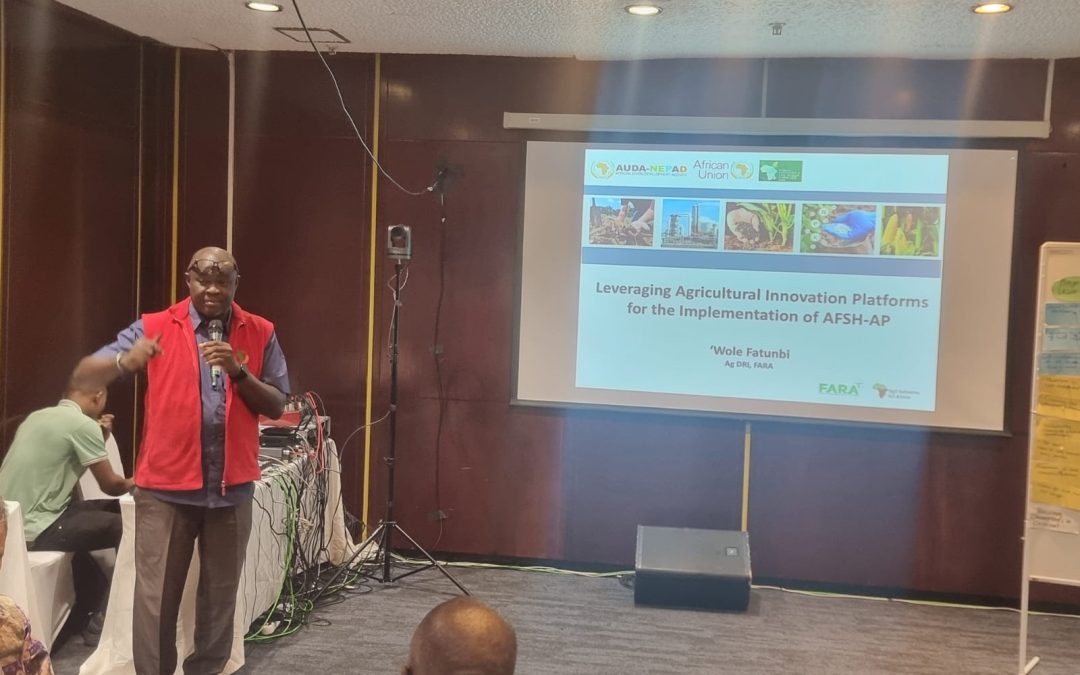
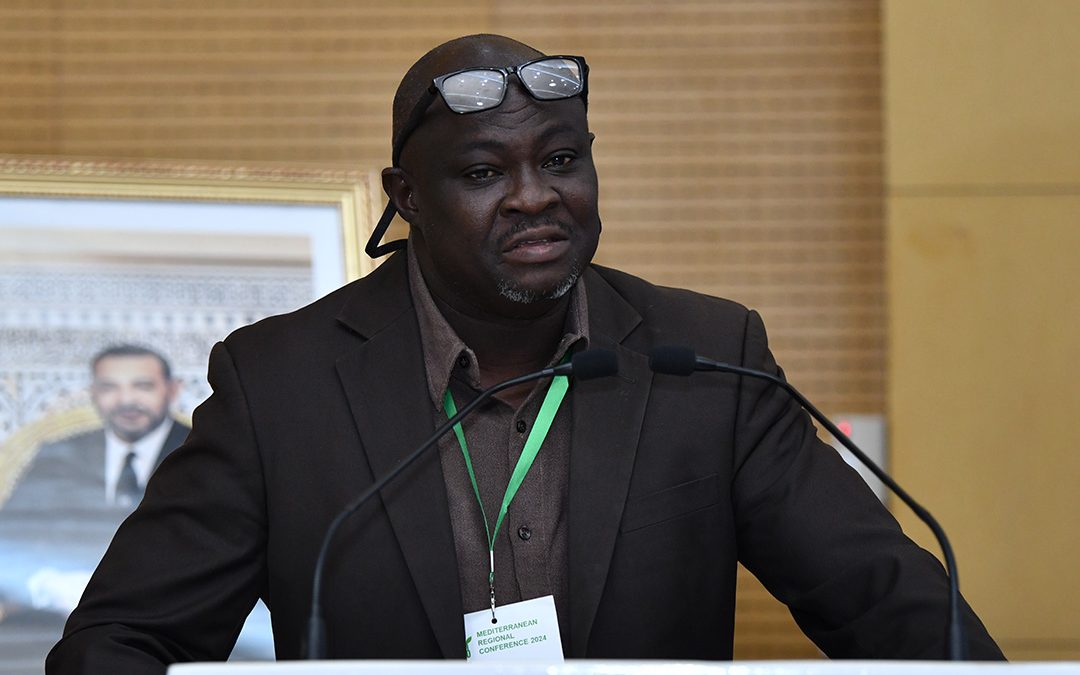
Representing the SIA Secretariat in FARA, Prof Wole Fatunbi presented an overview of the SIA and the AFSH-AP and the progress so far; he further gave a clear insight into the ToRs of the different structures in the implementation framework.
In another section, a presentation titled “Leveraging Agricultural Innovation Platforms for the Implementation of AFSH-AP” discussed the use of innovation platforms for the implementation of the country and the Hub action. It is expected that the Hub and countries in the Southern Africa sub-region will embrace the multistakeholder approach and the key principles in the IAR4D concept.
The SADC had requested its sub-regional organization coordinating agricultural research, CCARDESA to host the regional hub and run all the functions as Secretariat on behalf of the REC.
The workshop addressed the partnership gaps and stakeholders’ model, finetuned the implementation arrangement, and proposed modalities for drawing support from the six established coalitions. As agreed in other stakeholders’ workshops, the coalitions will provide implementation support at the continental, regional, and country levels.
The final document from the workshop is expected to be validated by stakeholders for implementation. The implementation of SIA/AFSH-AP is already being implemented in the countries while the secretariat and the hubs are being established. The issues of soil management in Africa cannot wait for another day; Africa needs to halt the pace of land degradation and start the implementation of effective management practices to ensure soil health. This informs the need for structured coordination of efforts, allocations of mandates to organizations, and implementation of real action rather than unending talks and workshops.
This time, Africa is poised to get it right with the “Africa-owned and Africa-led process” mantra supported by ambitious declarations by the head of state at the May 2024 Africa Fertilizer and Soil Health Summit supported by action-ready experts on the continent.
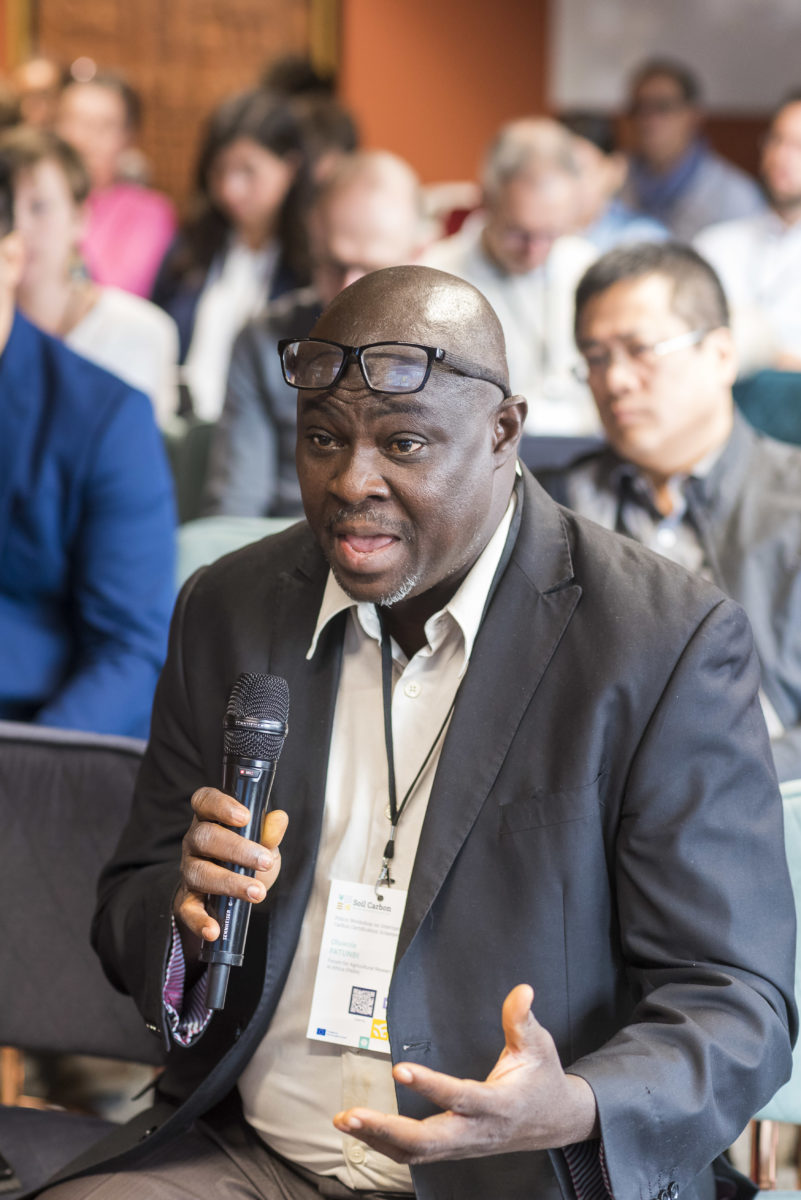
Wolé Fatunbi, from the Forum for Agricultural Research in Africa (FARA), represents the Soil Carbon International Research Consortium (IRC) regional ambassador for the African continent. Soil health is a real challenge for food security in Africa and for tackling climate change.
How does Africa’s soil compare to the global context?
Africa’s soil is both unique and fragile, distinguished by its age and long history of transformations. The low mineral content and limited depth contribute to reduced levels of organic matter, while the clay minerals found in these soils are mostly low-activity types, which further limits fertility.
Despite these challenges, African soilhas the potential to be productive, but it requires careful management practices. Many farming techniques employed in other regions, particularly mechanised plowing, are often unsuitable for African soils. Such practices can disrupt the delicate balance of nutrients and organic matter, deteriorating the existing soil issues. Furthermore, heavy rainfall events can wash away the scarce remaining organic matter, further depleting the soil’s quality.
Soil health in Africa also plays a critical role in ecological functions, such as carbon sequestration, which is essential for combating climate change. When soil is mismanaged, it loses its ability to store carbon, which can intensify climate impacts while simultaneously reducingagricultural productivity. This creates a cycle that threatens both food security and environmental sustainability.
What is FARA researching in Africa in terms of soil biodiversity and sustainable management?
Maintaining soil biodiversity is one of the leading challenges facing Africa, as it is crucial for sustaining healthy ecosystems. Forest soils, for example, have developed intricate microclimates over centuries, supporting a diverse array of microorganisms, fauna, and flora. When these soils are exposed to agricultural activities or urban development, this balance is disrupted, leading to soil degradation.
The loss of microbial diversity poses a significant risk. Without sufficient microbial life, organic matter cannot effectively break down, and nutrients cannot be properly recycled back into the soil. In light of this, Africa is increasingly interested inbiofertilisers. They work to support microbial populations and enhance soil fertility by promoting nutrient cycling alongside traditional mineral fertilisers.
Another innovative solution being explored is the use of biochar, a carbon-rich material that can improve soil moisture retention and fertility. While biochar itself does not contain nutrients, it can significantly enhance the effectiveness of organic and mineral amendments, making it an important tool in sustainable soil management practices.
It is important to address the misconception that Africa should completely avoid fertilisers. While fertilisers carry a stigma, FARA is actively working on researching bio-based solutions like biochar to offer scientific alternatives. FARA’s role, in coordination with the African Union Commission, is to provide evidence-based research that can guide policy development and inform public opinion to ensure food security and improve livelihoods across the continent.
What’s the role of the regional ambassador for Africa and its involvement in the Soil Carbon IRC?
The ORCaSa project is important for Africa, particularly concerning soil carbon management. As the regional ambassador for Africa, FARA is working to ensure that African stakeholders are actively involved in the Soil Carbon IRC [more than 34 signatories from 18 African countries have expressly shown their interest in joining the IRC]. Though the IRC is still in its emerging stages, there is significant interest among stakeholders. Many are eager to join and contribute, but sustaining this interest requires ongoing activities that demonstrate clear benefits. Forming an alliance is insufficient; African stakeholders need tangible evidence of how their involvement will positively impact their work.
One of our primary goals is to connect the Soil Carbon IRC’s activities with existing frameworks on the continent, such as the African Union’s Soil Initiative and the 10-Year Fertiliser and Soil Health Action Plan.These long-term frameworks are critical for ensuring that the Soil Carbon IRC remains active and impactful beyond the lifespan of the ORCaSa project, which is set to conclude in 2025.
What are your objectives and key milestones for the Soil Carbon IRC in Africa moving forward?
We aim to prioritisestrategic engagement. By offering stakeholders opportunities to present research, publish findings, and collaborate on projects, we want to encourage motivation and ensure ongoing participation in the Soil Carbon IRC.
We are working to build partnerships between African researchers and their counterparts in other regions. These exchanges of knowledge and resources are highly valued. I have hope that it will strengthen the Soil Carbon IRC and address Africa’s soil health challenges more effectively.
What does FARA gain from participating in the Soil Carbon IRC and the ORCaSa project?
The ORCaSa project aligns closely with Africa’s broader objectives of improving soil health and agricultural productivity. It provides an invaluable opportunity to expand partnerships, share knowledge, and learn from other regions. One of the key benefits for Africa is the chance to communicate its specific challenges and needs to a global audience. We hope this exposure will lead to increased access to resources, such as funding from the Green Climate Fund, which remains undervalued by African nations.
Through our involvement in the Soil Carbon IRC, FARA aims to elevate Africa’s voice in international discussions regarding soil health and climate change. By sharing insights into the challenges faced by African farmers and ecosystems, we hope to advocate for targeted interventions that address these issues effectively.
By collaborating with international partners and stakeholders, we want to ensure that Africa’s specific needs are recognised and addressed in the global discourse on soil health and agricultural sustainability. The goal is to foster practical solutions that will enhance soil and agricultural management, ultimately contributing to improved livelihoods for millions of people across the continent.