By: Benjamin Abugri, Shaquille Penanneach & Daniel Kweitsu
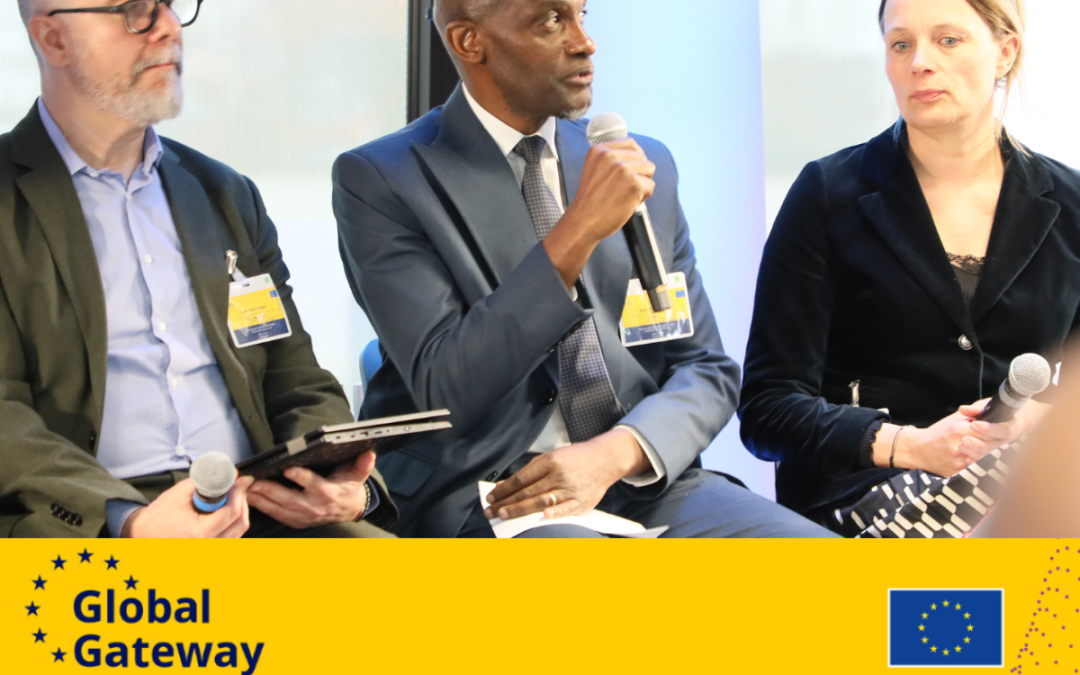
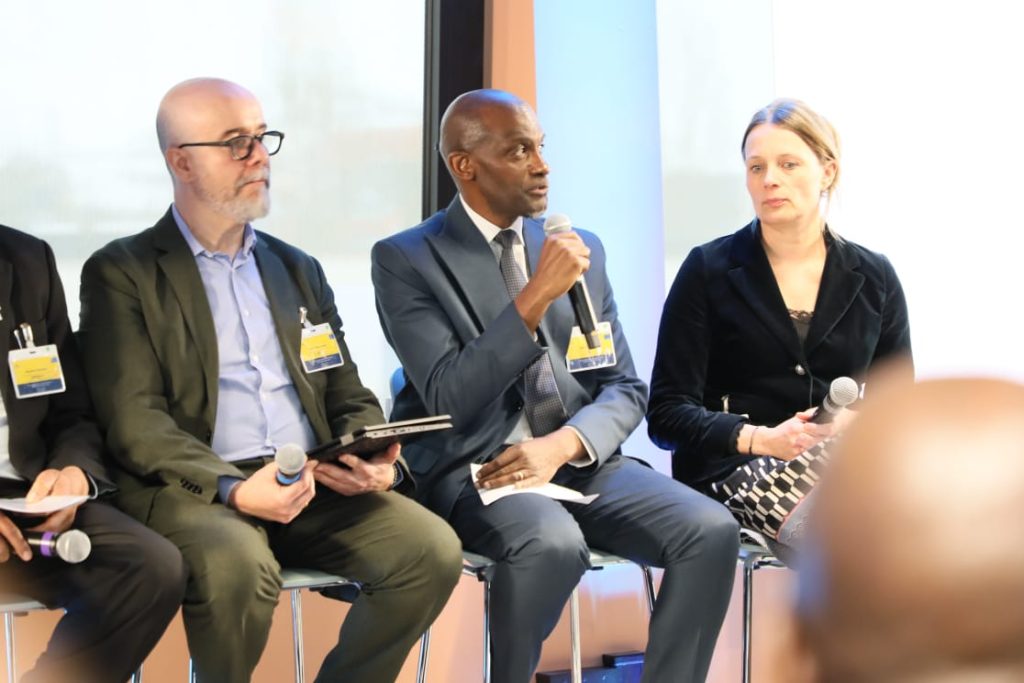
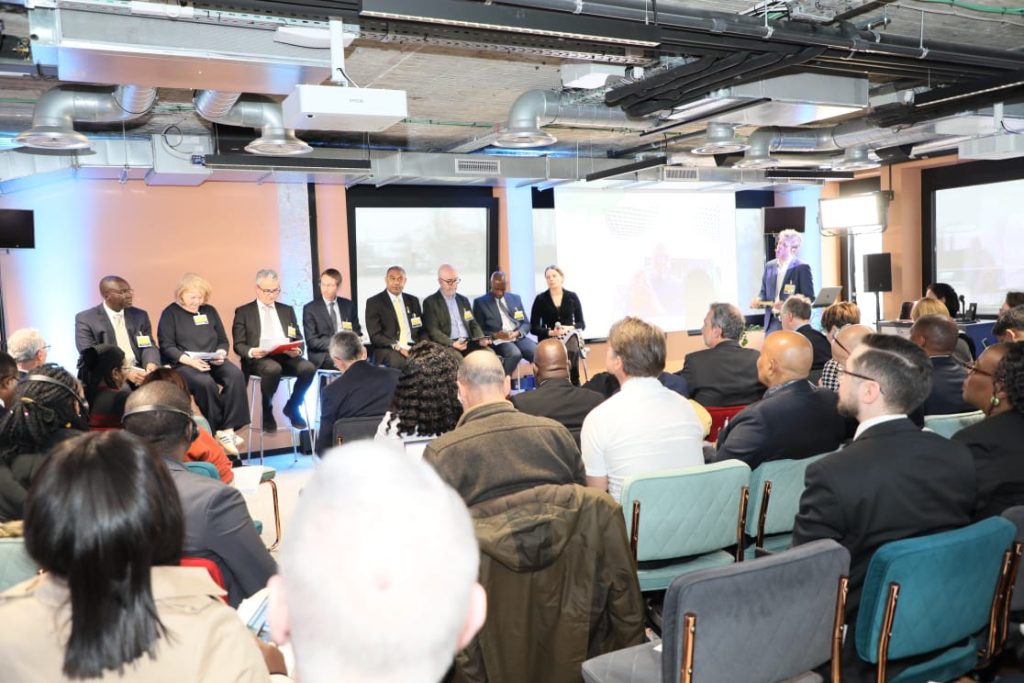
Brussels, March 11, 2025 – The Executive Director of the Forum for Agricultural Research in Africa (FARA), Dr Aggrey Agumya, took center stage at the ongoing European Union (EU) Conference, “Boosting Agrifood Research and Innovation Cooperation for Impact at Scale”. His participation in a high-level plenary panel underscored the critical role of EU-Africa partnerships in driving impactful research and innovation in Food, Nutrition, and Sustainable Agricultural Systems (FNSSA).
Addressing the session titled “What is the EU R&I Cooperation Landscape: Policies, Partnerships and Instruments?”, Dr. Agumya emphasized the necessity of a mutually beneficial Africa-Europe partnership. As the continental apex organization for R&I in FNSSA and the technical arm of the African Union Commission (AUC) and the African Union Development Agency (AUDA), FARA is at the heart of Africa’s agricultural research and innovation ecosystem.
In his intervention, Dr. Agumya provided insights into the institutional structure of agricultural research and innovation in Africa, highlighting its multi-tiered framework. At the national level, the National Agricultural Research Systems (NARS) play a crucial role, complemented by Sub-Regional Organizations (SROs) such as ASARECA, CCARDESA, CORAF, and NAASRO. At the continental level, FARA and the African Forum for Agricultural Advisory Services (AFAAS) provide leadership and coordination.
Dr Aggrey Agumya addressing the session
Speaking on priorities for R&I in FNSSA, Dr. Agumya stressed the importance of enhancing the impact of research investments by embedding them within broader development goals, market systems, and knowledge-sharing initiatives. He also called for scaling up innovations, particularly in investments, capacities, and processes, to ensure that impactful agricultural research outputs reach their full potential.
Reflecting on best practices, he cited successful examples where research has been effectively integrated into development programs. Notable among them are the Technologies for African Agricultural Transformation (TAAT), the Desira Initiative, and the Platform for African-European Partnership on Agricultural Research for Development (PAEPARD). The Comprehensive Africa Agriculture Programme (CAADPXP4) was also highlighted as a crucial initiative fostering a strong R&I ecosystem.
Dr. Agumya further underscored the significance of science-policy engagement in advancing Africa’s agricultural agenda. He referenced key initiatives such as the Soils Initiative for Africa, the Comprehensive Africa Agriculture Development Programme (CAADP) – Kampala Declaration, and the African Food Systems Initiative, stressing that while commitments have been made, implementation has been lacking. He noted that over 93% of AU decisions from 2021 to 2023 remain unimplemented, calling for greater accountability and execution.
Looking ahead, he urged stakeholders to bridge the gap between aspiration and action, noting that no African country is currently on track to meet CAADP targets. He identified improved planning, execution, and investment in R&I as critical steps toward achieving these goals. Additionally, he emphasized the need to move beyond traditional Africa-Europe collaborations, advocating for triangular partnerships with Latin America, the Caribbean, and the Asia-Pacific region through a Global NARS Consortium.
Dr. Bernard Mallet delivering the keynote address
The session was set in motion by a keynote address from Dr. Bernard Mallet, a senior scientist specializing in tropical forestry and international agricultural research. His extensive experience in leading EU-AU partnerships on food security and sustainability provided a strong foundation for the discussions.
Joining Dr. Agumya on the distinguished panel were key representatives from European and African institutions, including:
Mahaman Bachir Saley, Officer-in-Charge, Science, Technology, and Innovation Division, African Union ESTI Department
Nienke Buisman, Head of Unit, International Cooperation (Asia, Pacific, Africa, Middle East), Directorate-General for Research and Innovation, European Commission
Luis Viva-Alegre, Team Leader, Research and Innovation Unit, Directorate-General for Agriculture and Rural Development, European Commission
Peter Werheim, Head of Unit, Food Systems and Bioeconomy, Directorate-General for Research and Innovation, European Commission
Agnieszka Skuratowicz, Head of Unit, Youth, Education, Research, and Culture, Directorate-General for International Partnership, European Commission
Mathieu Le Grix, Head of Division, Agriculture, Rural Development, and Biodiversity, Agence Française de Développement (AFD)
This engaging panel discussion contributed to ongoing policy and investment conversations aimed at enhancing agrifood R&I cooperation between Africa and Europe. The insights shared are expected to inform future collaborations and drive impactful agricultural innovations at scale.
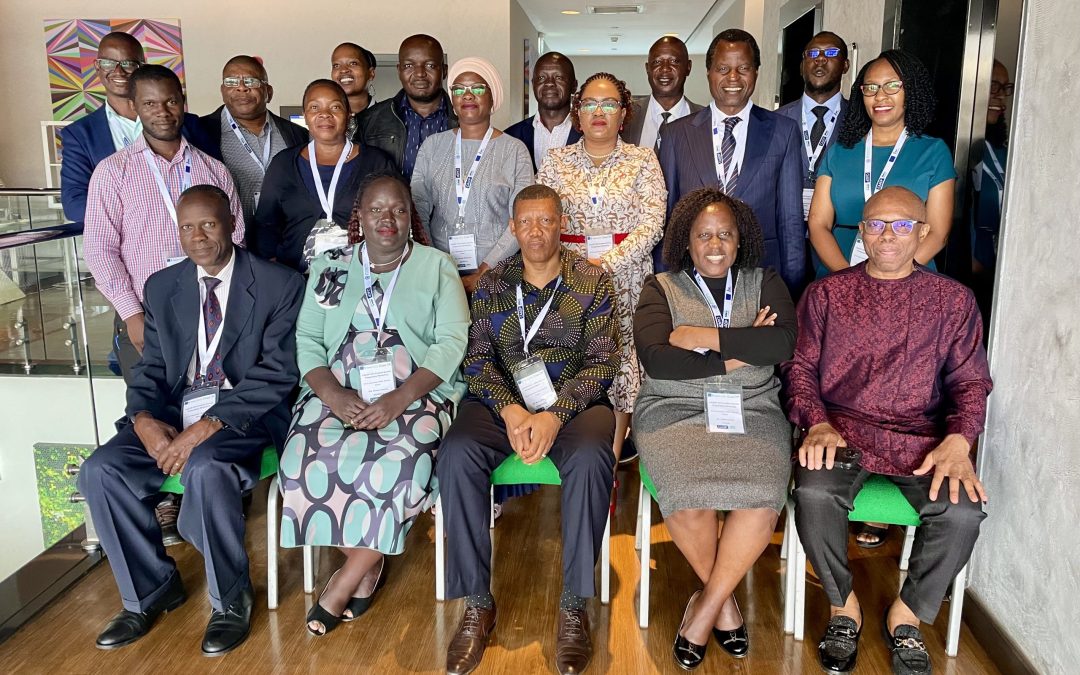
The Comprehensive Africa Agriculture Development Programme Ex-Pillar IV (CAADP-XP4) partners have successfully concluded a five-day preparatory workshop in Nairobi, Kenya, marking a significant step towards finalizing the project’s endline survey and developing critical knowledge management (KM) products that will showcase the initiative’s impact across Africa.
Hosted by CCARDESA, with the participation of FARA, CORAF, AFAAS, and ASARECA, the workshop was instrumental in aligning methodologies, consolidating project learnings, and charting a roadmap for project closure in 2025.
Key Outcomes from the Workshop
✅ 13 Most Significant Change Stories were drafted for finalization and publication, capturing the real-life impact of CAADP-XP4 on agricultural research, innovation, and policy influence.
✅ Sustainability measures were clearly defined to support post-project resource mobilization and ensure continued impact beyond the project’s closure.
✅ The Monitoring, Evaluation, and Learning (MEL) database was updated with refined indicators, allowing for a more robust measurement of project outcomes, particularly in gender equity, youth empowerment, and capacity-building.
✅ Gender-based reporting was recognized as a critical driver in achieving CAADP-XP4’s goals, with survey findings demonstrating how gender-responsive interventions have contributed to progress.
✅ A detailed roadmap was established for conducting the endline survey and preparing for the final project closure in 2025, ensuring compliance with donor requirements and maximizing knowledge dissemination.
Commitment to Sustainable Agricultural Innovation
The workshop participants, who were largely technical leads from CAADP-XP4’s implementing organizations, reaffirmed their commitment to ensuring that the endline survey and KM products effectively capture the program’s achievements. This effort is expected to provide valuable lessons for scaling innovative partnerships and agricultural research models across the continent.
Through structured working sessions, the consortium members developed strategies for strengthening partnerships, mobilizing future resources, and positioning African agricultural research organizations for long-term impact.
Next Steps: Capturing and Showcasing CAADP-XP4’s Legacy
📌 Finalize and publish the Most Significant Change Stories to illustrate key transformations driven by the project.
📌 Conduct the endline survey to assess CAADP-XP4’s impact comprehensively and inform future agricultural initiatives.
📌 Develop strategic knowledge products, including reports, policy briefs, and digital content, to enhance visibility, advocacy, and uptake of best practices.
📌 Leverage findings to mobilize resources and influence continental agricultural policy and innovation frameworks.
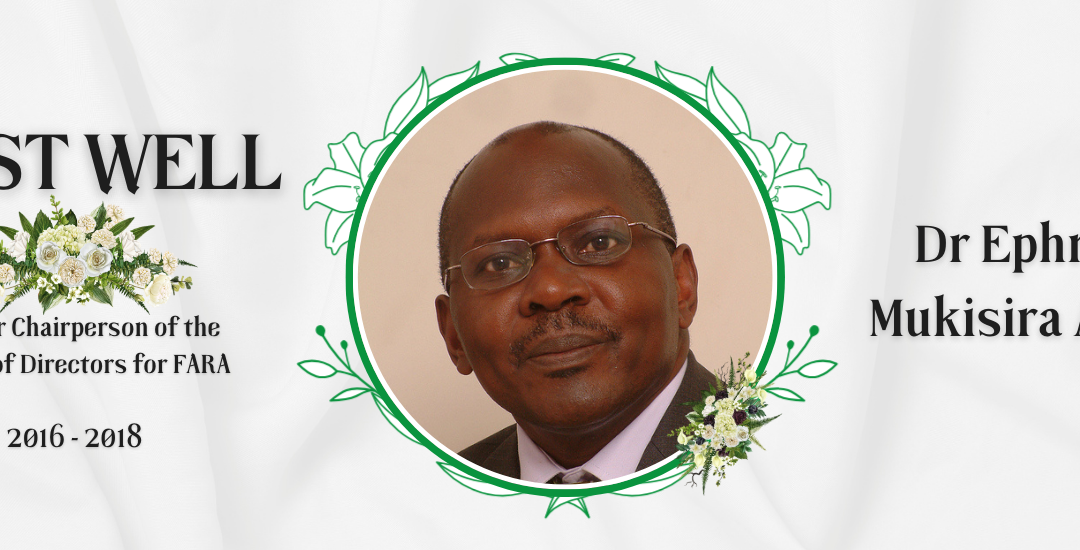
The Forum for Agricultural Research in Africa (FARA) deeply mourns the passing of Dr. Ephraim Mukisira Amiani, a distinguished leader, visionary, and former Chairperson of FARA (2016-2018).
Dr. Mukisira’s invaluable contributions to advancing agricultural research and development in Kenya and across the continent will forever be remembered. His tireless dedication to fostering innovation, collaboration, and capacity building in agricultural research transformed countless lives and contributed to improving Africa’s food and nutrition security.
Dr. Ephraim Mukisira Amiani
During his tenure as Chairperson of FARA, Dr. Mukisira demonstrated consummate leadership, guiding the organization with integrity and an unwavering commitment to unlocking the potential of science to drive Africa’s agricultural transformation. His legacy as a mentor, strategist, and advocate for science-based solutions to Africa’s food and agriculture challenges will continue to inspire generations to come.
On behalf of the entire FARA family, we extend our heartfelt condolences to Dr. Mukisira’s family, friends, and colleagues. May you find solace in the knowledge that his life’s work made a profound difference in the lives of many.
As we grieve this significant loss, let us celebrate Dr. Mukisira’s enduring legacy of service, leadership, and excellence.
May his soul rest in eternal peace.
With deepest sympathy,
The Forum for Agricultural Research in Africa (FARA)
By: Irene Annor-Frempong, Aggrey Agumya & Benjamin Abugri
The African Union-European Union (AU-EU) Research and Innovation Partnership on Food and Nutrition Security and Sustainable Agriculture (FNSSA) is making significant strides in building digital and climate-resilient agri-food systems. This initiative, under CAADP’s (Comprehensive Africa Agriculture Development Programme) Sub-theme 3, emphasizes the need for research and innovation to foster sustainable agriculture and food security across Africa.
Achievements and Lessons from the AU-EU FNSSA Partnership
The achievements of the AU-EU partnership on FNSSA from 2016 to date highlight the impact of international cooperation on agricultural development. With over 1 billion Euros mobilized and invested in line with the AU-EU FNSSA Roadmap (2016-2026), more than 500 projects have been implemented across four thematic areas. These areas align with the CAADP Malabo priority themes, as outlined in the Science Agenda for Agriculture in Africa (S3A).
The four thematic areas are:
Sustainable Intensification
Agriculture and Food Systems for Nutrition
Expansion and Improvement of Agricultural Markets and Trade
Crosscutting Issues, including improved coordination between European and African FNSSA R&I projects
Dr. Irene Annor-Frempong, IRC CEA-FIRST Coodinator at the AU-EU Side Event at the 20th CAADP PP & 15th ADFNS
Through these projects, the AU-EU partnership has delivered tangible benefits to farmers, small and medium enterprises (SMEs), and research and innovation institutions across Africa. Additionally, the partnership has strengthened science-policy linkages and enhanced institutional and individual capacities within participating regions.
Key Challenges and Proposed Solutions
While the partnership has achieved significant success, certain gaps remain, particularly in the areas of coordination and leveraging resources. Over the past eight years, stakeholders identified two critical levers for enhancing the impact of international cooperation: the partnership model and the financing model. Addressing these areas will further streamline the implementation of the CAADP Agenda and amplify the benefits of research and innovation for sustainable agriculture.
Two solutions were proposed to harness international cooperation for the implementation of CAADP:
Developing a strategy for leveraging international cooperation
Coordinating cooperation programs like the AU-EU FNSSA partnership to show its contribution on the implementation of CAADP
The Role of the International Research Consortium (IRC)
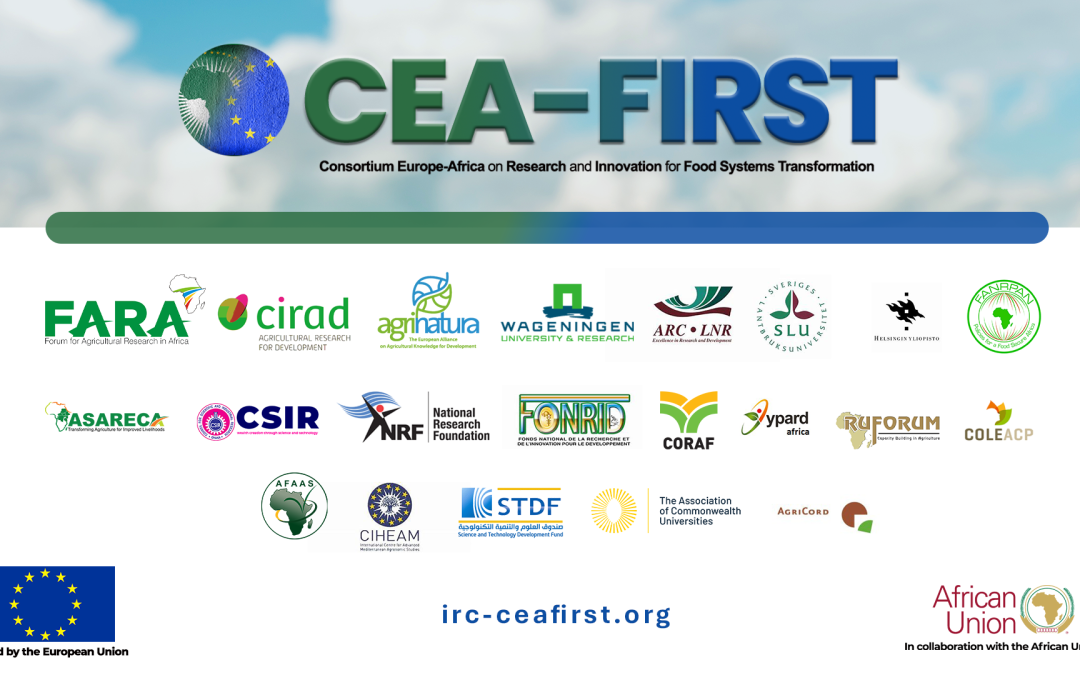
The IRC CEA-FIRST Consortium at the CEA-FIRST Inception Meeting in Accra, Ghana
The establishment of the International Research Consortium (IRC) aims to address the fragmentation of efforts and funding in the FNSSA sector. By uniting more than 50 signatories, the IRC enhances the visibility of AU-EU research activities and positions African stakeholders to better respond to agricultural challenges. This platform also facilitates stakeholder engagement, particularly with youth and women, fostering inclusivity in decision-making and community involvement.
R&I institutions across AU Member States are encouraged to join the IRC, as it provides valuable insights and a collaborative platform for addressing Africa’s agri-food system challenges.
Looking Forward: The Next EU-AU FNSSA Roadmap
As the current 10-year AU-EU Research and Innovation roadmap nears completion in 2026, preparations for the next roadmap (2027-2037) are underway. The upcoming roadmap will align with the CAADP Kampala Strategy and focus on amplifying the impact of research and innovation in agriculture, emphasizing digital transformation and climate resilience.
Conclusion
The AU-EU partnership on FNSSA is a model of a successful international cooperation, demonstrating the power of collaborative research and innovation to build sustainable and resilient agricultural systems. With strengthened coordination, a well-defined strategy, and broad stakeholder engagement, Africa’s agri-food systems are poised to benefit from enhanced food security, economic growth, and resilience against climate change.
Authors Note
Parts of this paper were included in a keynote address delivered by the Executive Director of FARA, Dr. Aggrey Agumya, and Dr. Irene Annor-Frempong, Lead of the AU-EU International Research Consortium on FNSSA, at the 2024 20th Comprehensive Africa Agriculture Development Programme (CAADP) Partnership Platform (PP) and the 15th Africa Day for Food and Nutrition Security (ADFNS). The address reflected on the theme, ‘Two Decades of the CAADP Agenda: Cultivating the Nexus of Nutrition, Agrifood Systems, and Education for Africa’s Growth,‘ and was hosted in Harare, Zimbabwe in October.
Dr. Irene Annor-Frempong is Lead of the AU-EU International Research Consortium on FNSSA
Dr. Aggrey Agumya is Executive Director of the Forum for Agricultural Research in Africa (FARA)
Mr. Benjamin Abugri is Cluster Leader for Knowledge Management, Digitalization and Learning at FARA
The President of China, Xi Jinping, once said, “If the world enjoys reasonable development, then the two big populations in the world must experience development.” This is true for China, which has succeeded in reducing poverty to the barest minimum, and ensuring industrial and infrastructural development over the last 40 years. Africa, on the other hand, seems to be struggling with its growth, trying to craft a pathway out of poverty, lack of infrastructure, youth unemployment, leadership crises, and social and political upheavals.
Africa has the opportunity to learn and find inspiration from China’s development pathways in many areas, including its agriculture. While there are apparent differences in the natural resource base of the two continents and the socio-political structures, the place of science and technology in orchestrating development is a unifying point. This underscores the development and operations of the China-Africa Innovation Cooperation and Development Forum. The forum has fostered cooperation in numerous areas including agriculture. Today, China is the largest trading partner of 55 countries in Africa and the biggest supplier of industrial equipment and machinery.
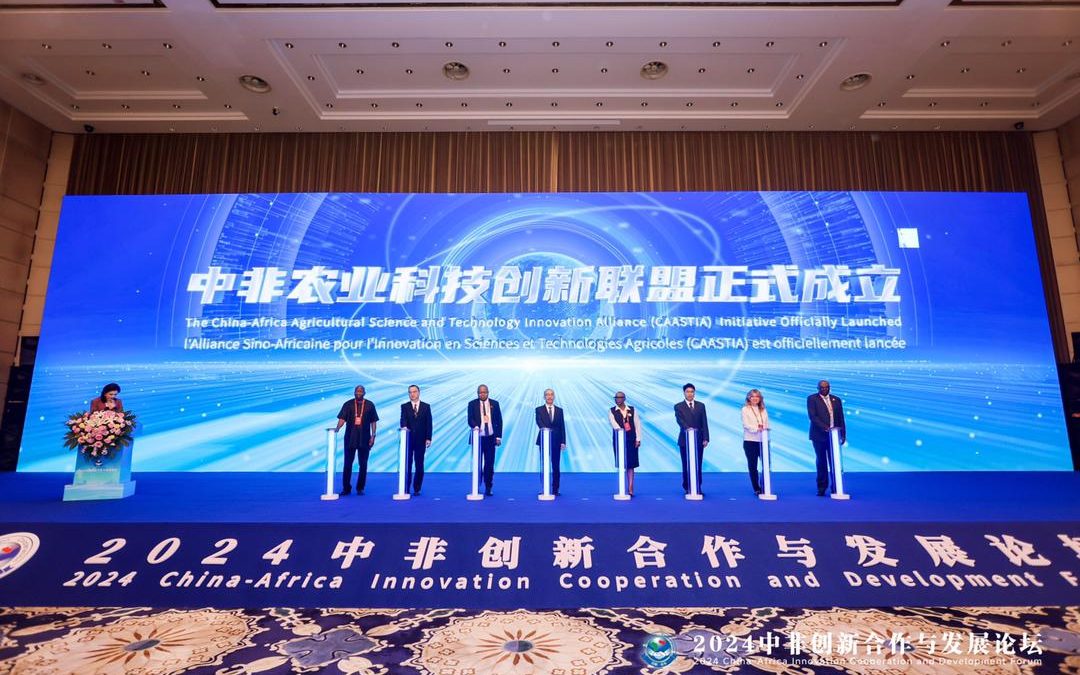
At the aegis of the 2024 China-Africa Innovation Cooperation and Development Forum in Wuhan City, China. The Chinese Academy of Agricultural Sciences (CAAS) and the Africa Academy of Sciences (AAS) launched a significant initiative, tagged “China-Africa Agricultural Science and Technology Innovation Alliance (CAASTIA). The CAASTIA vision is to enhance modern agricultural development to reduce hunger and poverty in Africa. The alliance aims to deliver innovations, integrate agricultural research and industry resources from the two continents for mutual benefits, build cooperation on the value chain development of major commodities, and focus on common concerns of food security, biosecurity, green growth, and climate change.
CAASTIA will be hosted in Africa and China by its two co-founders, the AAS with the secretariat in Nairobi Kenya and CAAS with its headquarters in Beijing China. The supervising authorities in China are the Chinese Ministry of Agriculture and Rural Affairs (MARA); Ministry of Science and Technologies (MOST) and the Ministry of Foreign Affairs (MFA). In turn, the Department of Agriculture, Rural Economy (DARBE) of the Africa Union Commission (AUC) will be the Africa supervisor.
The Forum for Agricultural Research in Africa (FARA) will be the key implementing partner of CAASTIA in Africa. The core activities of CAASTIA will commence in 2025, starting with the engagement of willing partner organizations and the enactment of its charter.
In an engagement with the president of CAAS, Prof Wu Kongning, during a visit to the CAAS campus in Beijing, Prof Wole Fatunbi, the Ag Director of Research and Innovation in FARA, emphasized the need for research collaboration to develop and or adapt small machinery equipped with robotics functions for smart tillage, weeding and other operations on the farm in Africa.
Prof Wole Fatunbi, Ag. Director of Research and Innovation, FARA
This will align with the continental craving to modernize Africa’s smallholder agriculture in alignment with the nature-based approaches that ensure soil health, biodiversity conservation, and the maintenance of Africa’s natural resource base.
The implementation of the China-Africa Agricultural Science and Technology Innovation Alliance (CAASTIA) will kick-off in the first quarter of 2025.
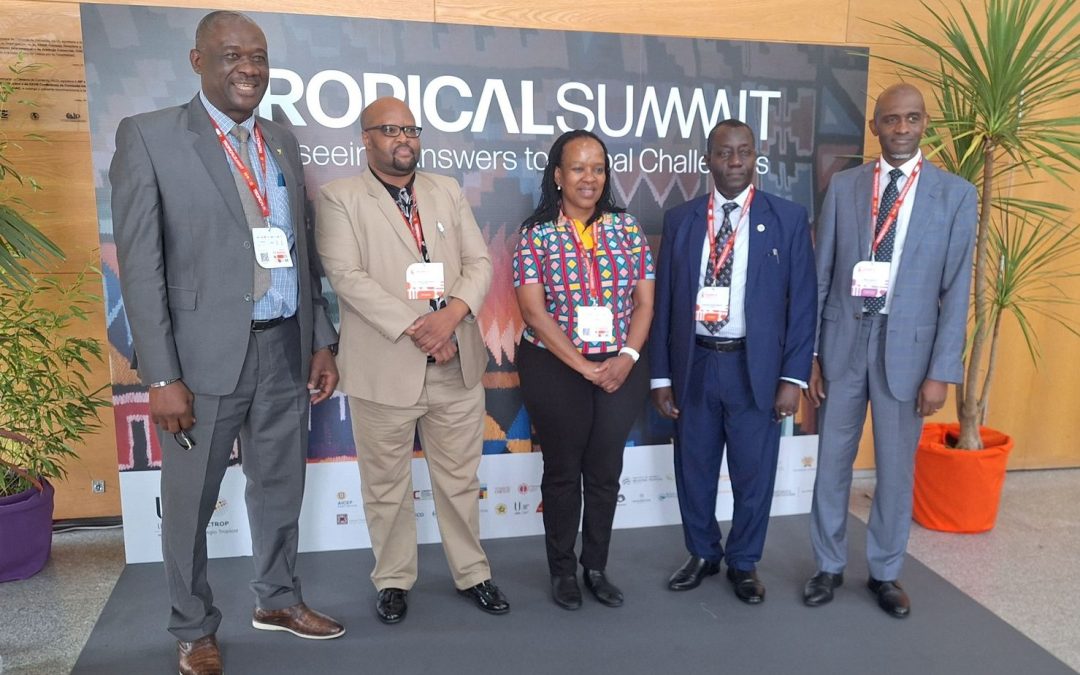
The Forum for Agricultural Research in Africa (FARA), in partnership with CORAF, CCARDESA, RUFORUM, JRC-ISPRA, AE-TPP, and IFAD, co-organized a pivotal session on “Catalyzing Agroecological Transitions in the Tropics in the Context of Climate Change” at the maiden Tropical Summit. This event brought together leading voices in agroecology, including the FARA Board Chair, Ms. Bongiwe Njobe, and FARA’s Executive Director, Dr. Aggrey Agumya, along with other notable participants.
In his welcome remarks, Dr. Aggrey Agumya emphasised the urgency of advancing agroecological practices, noting that while agroecology holds significant potential, it lacks substantial representation in the new Comprehensive Africa Agriculture Development Programme (CAADP) strategy. “The scientific community must work harder, faster, and louder to champion agroecological transitions,” Dr. Agumya urged.
Dr. Guy Faure of the European Commission’s International Partnerships (EC/INTPA) echoed this sentiment in his opening address, highlighting robust evidence demonstrating the effectiveness of agroecology. He outlined the European Commission’s commitment to three regional multi-actor networks across Eastern, Western, and Southern Africa. These networks aim to bolster agroecological practices by providing evidence-based technologies, building capacity, and driving policy advocacy.
The hybrid session featured presentations from two distinguished researchers: Professor Rachel Wynberg and Dr. Marc Corbeels, both experts in agroecology. Professor Wynberg discussed the importance of supporting agroecology in tropical regions, touching on research, policy, and practical applications. Dr. Corbeels followed with a presentation on agroecology as a vital approach to enhancing climate resilience, exploring policy and institutional support mechanisms essential for scaling agroecological practices.
The presenters defined key components of agroecology, underscoring its potential to address pressing societal challenges. They also highlighted the main barriers to economic and policy support, sharing insights based on their extensive work in various African contexts.
Interactive discussions and a lively question-and-answer session followed the presentations, with both in-person and online participants. Key questions emerged, including “Can we scale agroecology?” and “What is the return on investment for agroecology?” These questions underscored the audience’s keen interest in understanding both the scalability and economic viability of agroecological practices in Africa and beyond.
The session at the Tropical Summit spotlighted agroecology’s role in climate resilience and sustainable agriculture, paving the way for a deeper commitment from the global community toward supporting agroecological transitions in the tropics.