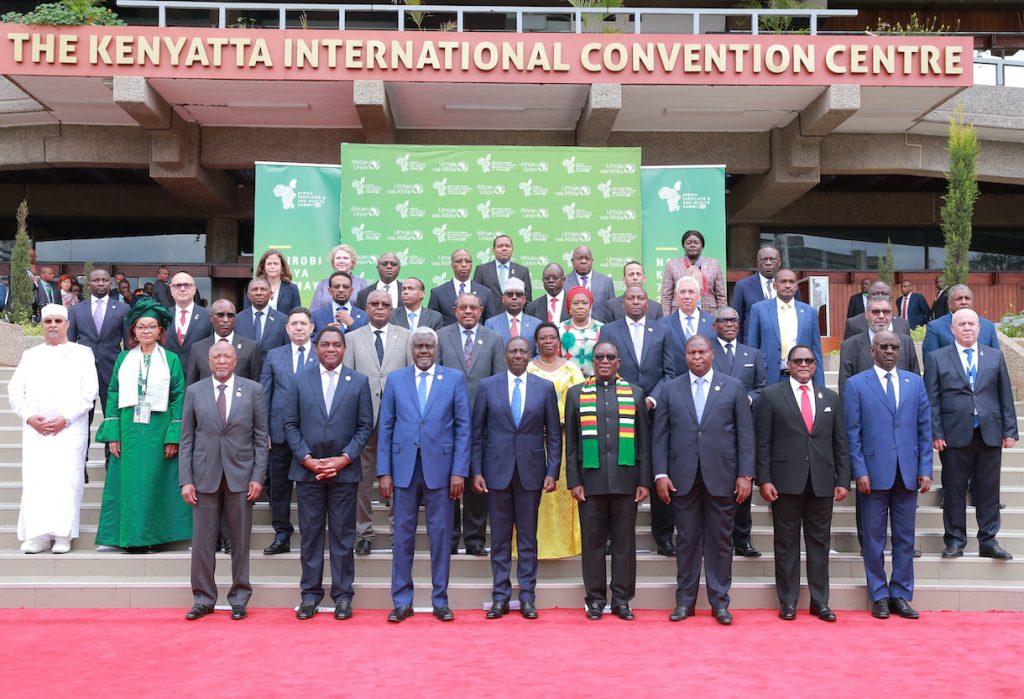
It is no longer a sad story from Africa! As the continent took a giant leap in managing its soil resources. The year 2024 signified a change as the Africa Union Commission and AUDA-NEPAD led the broad stakeholder group in African agriculture to the presidential summit on “Africa Fertilizer and Soil Health.” The presidential summit held on the 7th to 9th of May 2024 at the Jomo Kenyatta International Conference Center (JKICC) in Nairobi, Kenya, signified a major milestone in the continental effort to manage the African soil. The summit drew the participation of an unprecedented number of presidents and high-level leaders in African countries and development partners from across the globe. It approved the implementation of the Soil Initiative for Africa (SIA) as the long-term framework for managing African soil and the ‘Africa Fertilizer and Soil Health Action Plan (AFSH-AP) as the first ten-year implementation plan for the SIA. African head of State made eight distinct declaration points to be achieved in the next ten years to halt land degradation and restore at least 70 percent of the African soil to Healthy status. It also made eight clear calls to action to different agencies and partners to ensure the implementation of the actions of the summit. The successful summit is a product of about seven years of back-end work of different partners within and outside Africa to get the continent’s attention to managing its soil. Indeed, “Our Soil is Our Life,” and we cannot afford to send the current and the posterity of Africa down the lane of food slavery and poverty!
Learning from the experience of the 2006 fertilizer summit, the African stakeholders, led by the Forum for Agricultural Research in Africa (FARA), have taken the bull by the horns to drive the implementation of the Action plan. FARA was nominated to be the secretariat for coordinating the SIA implementations in close alliance with the oversight role of AUC and AUDA-NEPAD. This was based on recognizing the African stakeholders and the lead development partners to have an “An-Africa Owned and An Africa Led initiative.” All efforts are geared at sustaining momentum and getting into the field to implement action with strong structures comprising six thematic coalitions of willing organizations to provide implementation support. The creation of Regional Hubs by the RECs and the SROS to coordinate regional technical and policy actions. The secretariat with AUC and AUDA-NEPAD has mobilized all stakeholders to develop a global work plan for implementing the action, including smart guidelines for domesticating the actions into the country planning process and reporting into the biennial process of the AU.
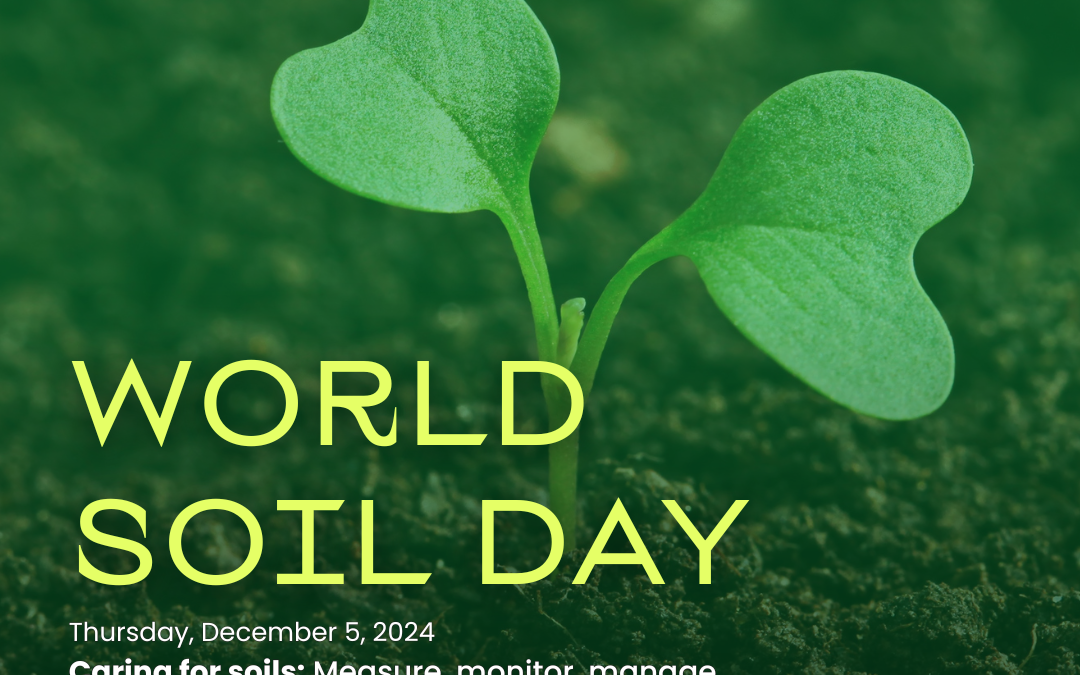
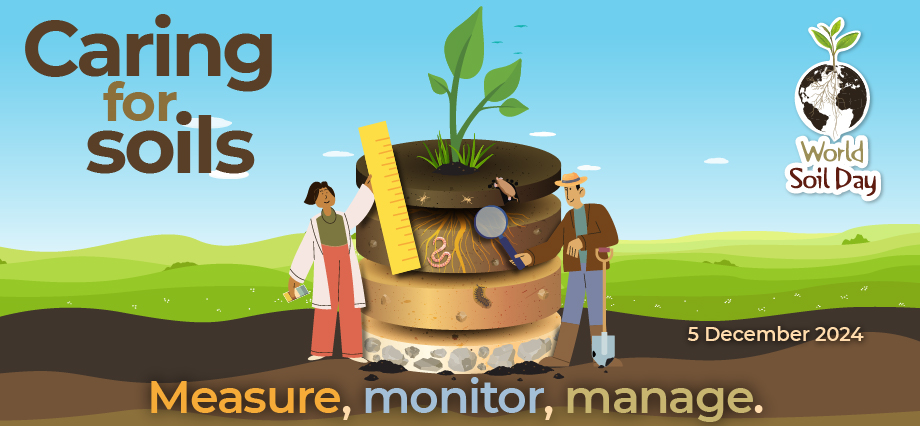
As we commemorate the 2024 World Soil Day, the stripe word “Caring for the Soil: Measure, Monitor, Manage” resonates very well with what Africa has begun to do with its soil. Through the SIA, Africa will build a solid effort to develop a veritable Soil Information System (SIS) with decision-support tools to help farmers and other soil users. SIA secretariat will launch the “Soil Health Youth Vanguard” to build the society’s human capital on soil health. It will further support extensive communication and Knowledge management on managing Africa’s greatest Asset, its soil.
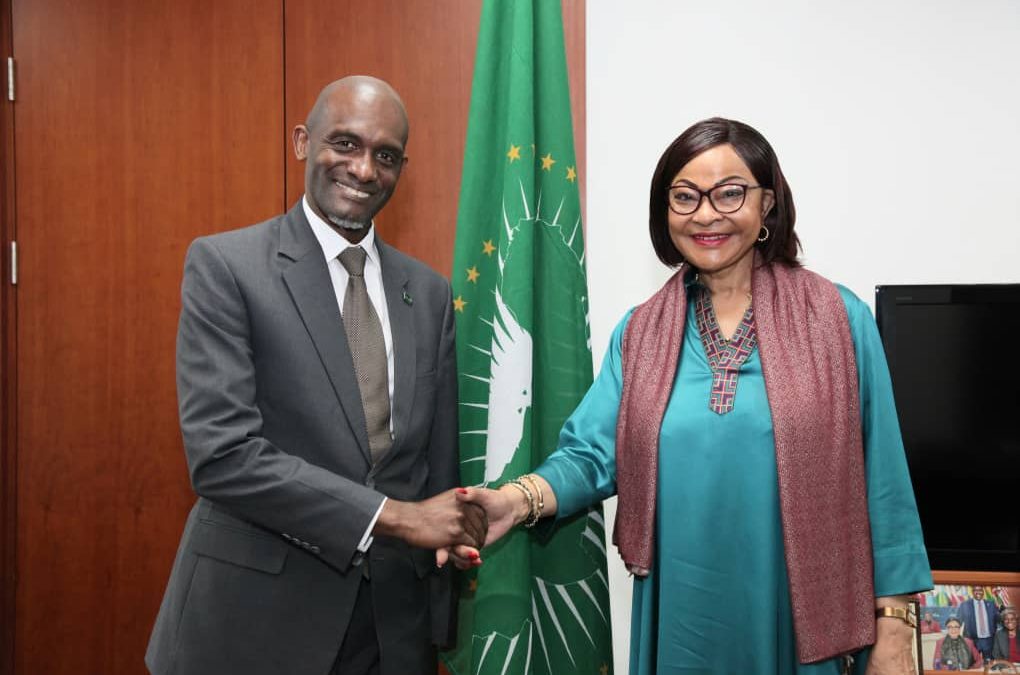
The African Union Commission, under the dynamic leadership of H.E. Ambassador Josefa Sacko, has appointed the Forum for Agricultural Research in Africa (FARA) as the official Secretariat for the Soil Initiative for Africa (SIA) and the Africa Fertilizer and Soil Health Action Plan (AFSH-AP). This landmark appointment, announced at the high-level 20th CAADP Partnership Platform (CAADP-PP) meeting in Harare, Zimbabwe, represents a significant advancement toward sustainable soil health and fertilizer solutions across Africa.
H.E Amb. Josefa Sacko, AUC-DARBE Commissioner
Ambassador Sacko’s visionary leadership and commitment to agricultural transformation through partnerships and strategic coordination are highlighted by this appointment. In her opening remarks, she called for a unified approach among African organizations, emphasizing that the success of the AFSH-AP and SIA depends on collaboration, not competition. She underscored the necessity of collective commitment to achieve the objectives of the 2024 Presidential Declaration on Africa Fertilizer and Soil Health, which sets forth an ambitious ten-year plan to address Africa’s soil and fertilizer challenges.
Ambassador Sacko’s endorsement of the SIA coordination framework—crafted by a dedicated technical working group—establishes a comprehensive structure for regional and national implementation. This framework assigns FARA as the Secretariat, supported by the African Union Development Agency (AUDA-NEPAD) as the lead coordinating entity and Regional Economic Communities (RECs) and Sub-Regional Organizations (SROs) as regional facilitators through designated hubs. This coalition, organized around five thematic areas, will provide focused support at the continental, regional, and national levels to ensure effective implementation of AFSH-AP objectives.
In a powerful keynote, Prof. Richard Mkandawire emphasized the importance of “Coordination, Cooperation, Capacity, and African Leadership” in advancing AFSH-AP. Zimbabwe’s Deputy Minister of Lands, Agriculture, Fisheries, Water, and Rural Development, Hon. Vangelis Haritatos, reaffirmed Zimbabwe’s commitment to agricultural productivity and soil health, announcing new government investments, including funds to revitalize the Africa Center for Fertilizer Development (ACFD) in Harare, a key step in bolstering Africa’s fertilizer production capacity.
Section of Panelists from the ‘How Not to Implement the AFSH-AP: Learning from Experience’ Panel discussion
A “fireside chat” session, titled “How Not to Implement the AFSH-AP: Learning from Experience,” shed light on critical insights for the successful execution of Africa’s soil health agenda. Panelists, including Deputy Minister Odd Arnesen, Mr. Noel Ujeneza, and Madam Bongiwe Njobe, stressed the urgency of action-oriented leadership, highlighting the need to reduce bureaucracy as other continents advance. They advocated for greater private sector involvement, an enhanced Africa Fertilizer Financing Mechanism (AFFM-II), and a blend of mineral and organic fertilizers to strengthen Africa’s agricultural resilience.
The appointment of FARA as the SIA Secretariat is a pivotal moment, inspiring stakeholders to unite under this visionary framework to achieve the ambitious goals of the Soil Initiative for Africa and AFSH-AP. Guided by Ambassador Sacko’s leadership, Africa is poised for a transformative journey toward sustainable agricultural development, unity, and a shared commitment to a food-secure future.
The Mediterranean region of Africa, including Morocco, Tunisia, Algeria, Egypt, Libya, and Mauritania, faces unique soil challenges. While their soils share similarities with the rest of Africa, they also experience added pressures from low moisture levels, limited vegetation, and biomass yield.
These lands, initially arid, have now become hyper-arid. Key challenges include water scarcity, drought, soil salinization due to irrigation, desertification, erosion, nutrient depletion, low organic carbon, overgrazing, land degradation, soil compaction from mechanized farming, reduced biological activity, and the impact of climate change.
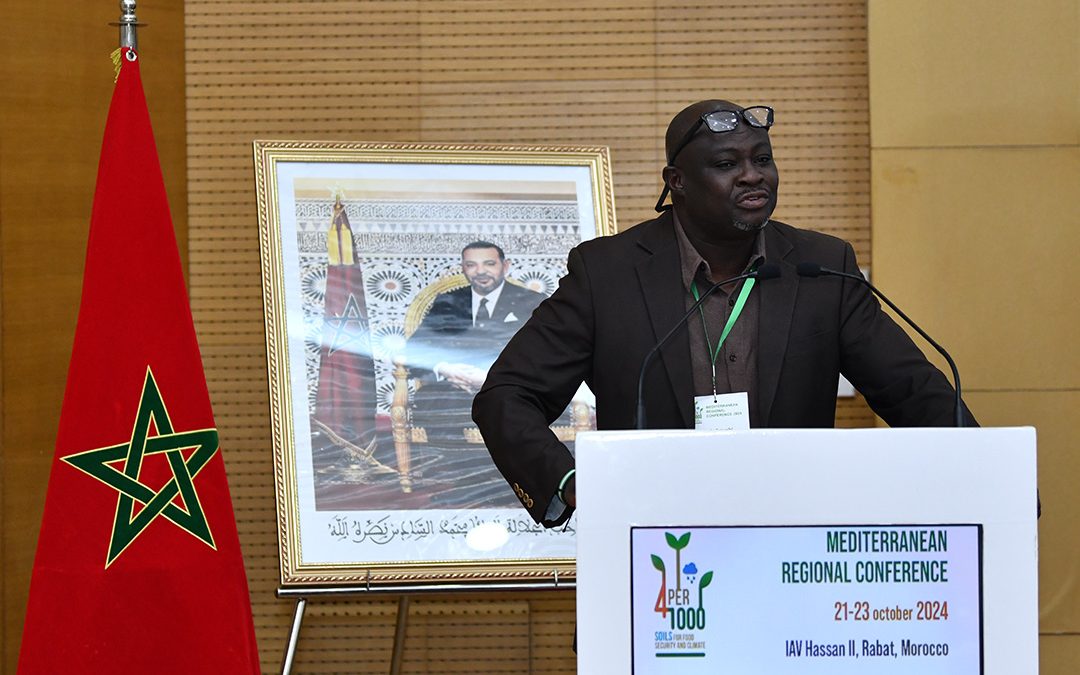
The 4Per1000 Initiative hosted the Mediterranean Regional Conference from October 22-25, 2024, at the Institute of Agriculture and Veterinary, Hassan II, in Rabat, Morocco. During the conference, Prof. Wole Fatunbi, representing the ORCaSa Project and Africa’s International Research Consortium on Soil Carbon (IRC-OC), emphasized the need for Africa to develop its agriculture based on sound science. He noted that Africa must design strategies that reflect its natural resources and socio-economic realities.
Prof. Fatunbi questioned the Agroecology approach of reducing external inputs, which is promoted in some Western and Asian countries. He argued that while this may work elsewhere, Africa needs to incorporate organic fertilizers, biofertilizers, and organic materials to improve soil properties. Without this, mineral fertilizers won’t be as effective. He also stressed that mineral fertilizers must be used according to the crop’s specific nutrient needs. This approach would help maintain crop yields and reduce nutrient imbalances.
Prof. Wole Fatunbi, Acting Director of Research and Innovation, FARA
To support this, Prof. Fatunbi proposed the creation of a robust Soil Information System (SIS), which could guide farmers and land users by providing data-driven recommendations on fertilizers and agronomic practices.
Key actions identified to improve soil health and stop land degradation include:
Developing knowledge and technology to align with nature-based solutions.
Advancing the Soil Information System for better decision-making.
Introducing adaptable mechanization for fragile soils in smallholder systems.
Promoting the use of ICT, remote sensing, drones, and robotics in smallholder farming.
Developing nature-friendly soil amendments, such as organic and biofertilizers and eco-friendly mineral fertilizers.
For Africa to succeed in these efforts, stakeholders and member states must collaborate to implement continental frameworks like the Soil Information System (SIS) and the African Fertilizer and Soil Health Action Plan (AFSH-AP), a ten-year initiative to advance soil health.
The University of Ghana (UG) in partnership with the Forum for Agricultural Research in Africa (FARA) and its Partners, working under the Feed the Future Innovation Lab for Horticulture project – “Enhancing the production and consumption of African indigenous fruits and vegetables to improve nutrition in Ghana and Mali” are advocating for the consumption of indigenous crops with particular reference to fruits and vegetables.
Indigenous fruits and vegetables which are grown locally usually on a small scale, are known to have high nutritive value, are often resistant to diseases and tolerant to environmental stresses. However, they have not been mainstreamed in the staple diets due to the fact that consumers complain about their unavailability in large quantities, poor postharvest management as well as the lack of awareness of their nutritional quality.
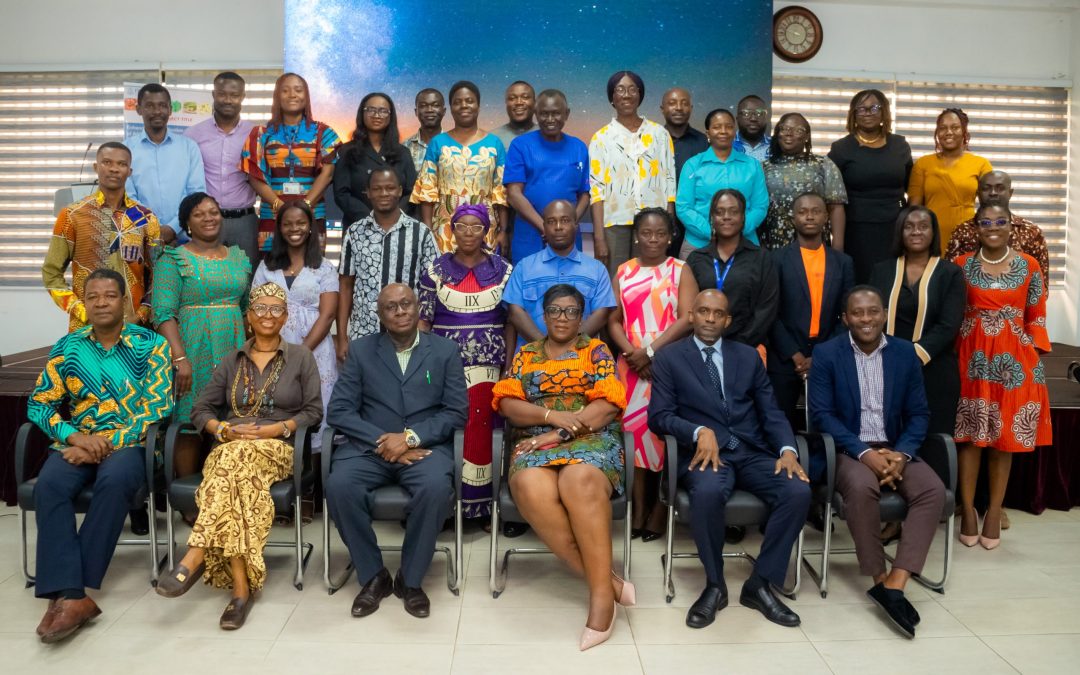
Stakeholders met in the University of Ghana to validate findings from the analysis of the value chain of the four indigenous fruits and vegetables (namely turkey berries, cocoyam leaves, garden eggs and okra) and engage in meaningful discussions to formulate actionable policy recommendations that will support the integration of these indigenous fruits and vegetables into the diets of Ghanaians.
The well patronized workshop brought together representatives from the Project Consortium Partners, various sector Ministries, Private Sector, Regulatory agencies, Civil Society Organizations, the Media, and farmer groups among others.
In his opening remarks, the Executive Director of FARA, Dr Aggrey Agumya stated that “It is important to recognize the strategic significance of the event, in that, Indigenous fruits and vegetables not only improve diets, they are also essential in strengthening the resilience of food systems. They also provide opportunities for smallholder framers to generate income”
Executive Director of FARA, Dr Aggrey Agumya
He mentioned that the African Union Commission and AUDA are coordinating the crafting of the agenda for the next phase of CAADP, wherein indigenous vegetables feature strongly in this agenda within the nutrition agenda and the resilience agenda. Recommendations have been crafted calling for the integration of indigenous food systems and knowledge into national and regional food and nutrition security plans and in resilience plans.
He expressed concern that scientists in the tertiary education institutions are spread very thin across the growing number of colleges and universities. The very rapid growth in student enrollment in most colleges and universities has meant that faculty are fully programmed with teaching responsibilities. With few research facilities, little budget, and little time available for academic staff to allocate to research activities, the scale and scope of agricultural research at the colleges and universities is quite limited.
He underscored the need for stronger collaboration between research, extension and education actors at country level. He said ‘this need is demonstrated by these numbers: It is estimated by IFPRI that 80% of funding for agricultural research goes to the NAROs (and 20% to the universities), facilities, infrastructure; while 80% of the Africa’s agricultural scientists qualified to do serious research are located at colleges and universities.
The Consultant, Eric Worlanyo Deffor, sharing highlights of his findings, noted that although the four crops studied have immense potential, they are confronted with some challenges.
He indicated that “The project is basically looking at the value chain for indigenous crops, looking at okra, kontomire, garden eggs, and turkey berry, from the production right up to the marketing and consumption. From the highlights, there is potential for growing these crops, but for now farmers still have lots of challenges. Challenges related to access to finance and inputs.”
Eric Worlanyo Deffor
He added, “The whole agenda is also to make sure that we can promote turkey berries, especially as an export commodity within Ghana, because of the health values that are associated with it.”
Speaking to some of the recommendations, Mr. Deffor, said, “We want to look at how we can modernize our transport system to be able to convey our vegetables from the farm gate to the farms so that we still keep them intact and also maintain safety along the value
The Project lead, Dr. Gloria L. Essilfie who is a Postharvest and Food Safety Specialist at the Department of Crop Science, University of Ghana, said the project “Enhancing the production and consumption of African Indigenous fruits and vegetables to improve diets in Ghana and Mali” covers five areas, including identification and characterisation of selected indigenous fruits and vegetables, conducting value chain analysis of the selected indigenous crops, as well as improving postharvest handling and preservation of indigenous fruits and vegetables.
Project lead, Dr. Gloria L. Essilfie
Other areas are the establishment of an Incubator for enterprises involved in or would be involved in the selected indigenous fruit and vegetables and finally, the dissemination of processes, technologies, and methods for prolonging the shelf-life of selected indigenous fruits and vegetables and creating awareness of the importance of indigenous fruits and vegetables.
This she noted will go a long way to influencing policy to enhance the production and consumption of the fruit and vegetables to improve diets.
Dr. Essilfie explained that the value chain component of the project will provide a better understanding of the vegetable and fruit value chain for large-scale production.
According to her, “They are nutritious, but you know, some are volunteer crops and thus are not produced intentionally, making them unavailable in large quantities. So, we are conducting this value chain analysis to really understand the whole value chain, provide a better understanding of the different nodes of the value chain, leverage points in terms of investment and entrepreneurship opportunities, and policy, legal and governance frameworks affecting the trade of indigenous produce markets.”
She called for concerted efforts in creating awareness on the benefits of Indigenous vegetables and fruits.
The Director of the Food Research Institute of the Council for Scientific and Industrial Research (CSIR), Prof. Charles Tortoe, who delivered the keynote address during the policy dialogue on the theme “The Role of Indigenous Fruits and Vegetables in Enhancing Ghana’s Food System” indicated that indigenous vegetables and fruits have immense potential yet untapped, adding that linkages in the value chain must be enhanced for maximum benefit.
“We can also look at them in the sense of superfoods. That means they have this quality of nutrition of which we can tap in and make good use in terms of our nutrition needs as a country and even beyond our jurisdiction. There are some that come with very interesting antioxidants and anti-inflammatory as well as anti-carbohydrate properties.”
Executive Director- Food Research Institute of CSRI Prof. Charles Tortoe
He said it is unfortunate that deforestation, bush burning, and illegal mining are contributing to the extinction of most Indigenous crops.
“A lot of these indigenous crops, which I’m sure when you were a kid you were familiar with, go back to your community and you can’t find them again. These are the challenges we are facing with illegal logging, deforestation, and bushfires, especially the dry season, is also another challenge.”
Prof. Tortoe said data on the nutritional value of these indigenous crops could significantly improve its acceptance and called for investment in the sector. Prof. Tortoe encouraged the public to integrate indigenous fruits and vegetables into their eating habits.
“We need to integrate our indigenous crops into our food system so we can gain from it. We do agree that the indigenous crops in Ghana hold immense potential to enhance our food system, to promote our health and to support sustainable agriculture” He said investing in effective harvesting and storage technologies would also go a long way in addressing some of the challenges that confront the sector.
There was a panel discussion where discussants advocated deliberate plans and strategies that would help promote indigenous vegetables and fruits. Some recommendations were generated to be translated into policies.
The Chair of the CAAPs Technical Working Group, Dr. Janet Edeme, says Ambassador Josefa Sacko aims to leave “something tangible for her successor” as her tenure ends in February 2025.
In an interview, Dr. Edeme highlighted Amb. Sacko’s commitment to advancing the CAAPs, particularly the Zimbabwe-Zambia CAIP and Ghana-Côte d’Ivoire Cocoa CAAP, is crucial to the agricultural transformation agenda of the AU Agenda 2063.
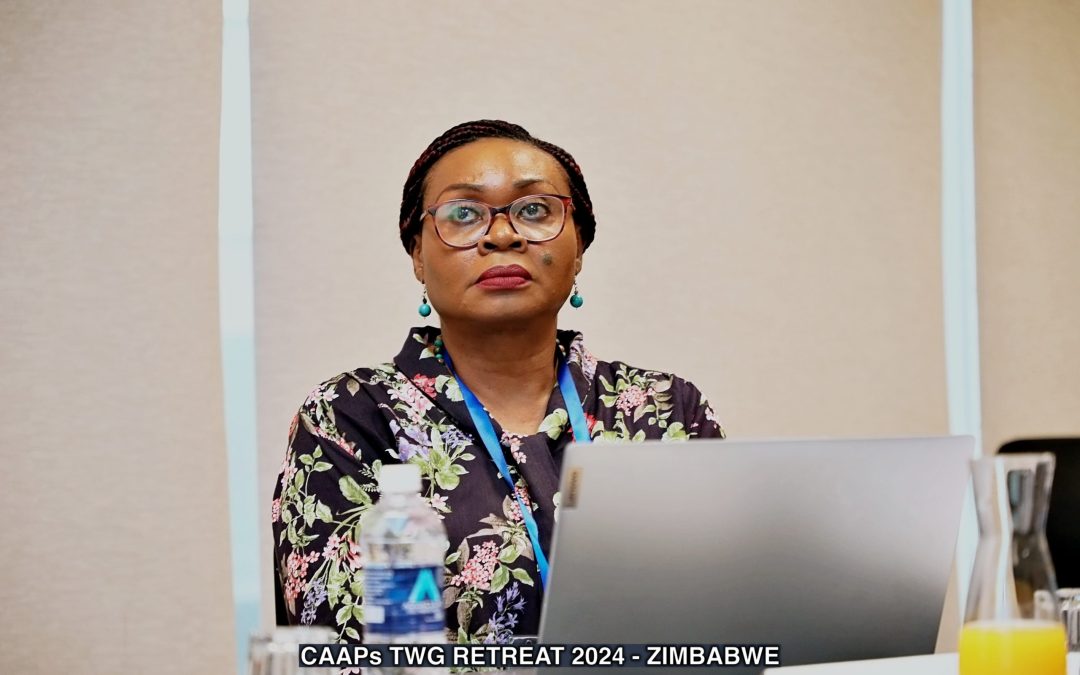
Speaking at a three-day retreat in Harare, Zimbabwe, Dr. Edeme, who also serves as the Acting Head of the Agricultural Food Security Division, reiterated the importance of completing pre-feasibility studies for both the Zambia-Zimbabwe CAAP and the Ghana-Côte d’Ivoire Cocoa CAAP before Amb. Sacko’s tenure concludes in 2024.
“One of the quick wins we can achieve from the CAAPs program is that Zambia and Zimbabwe have proactively provided resources through COMESA, the Aboriginal Economic Community, for a pre-feasibility study. If we can secure additional resources to finalize and complete the feasibility studies for the Zambia-Zimbabwe Common African Agro-Park, it will be a concrete achievement by February next year,” she stated.
Dr. Edeme added, “we also have the Ghana-Côte d’Ivoire Cocoa CAAP. If we can get these two deliverables on the table, especially the pre-feasibility studies, it will be a significant accomplishment for Commissioner Sacko and something concrete she can leave for her successor.”
Ms. Esther Mwimba, COMESA
Ms. Esther Mwimba, representing the Director of Industry and Agriculture at COMESA, provided updates on the Zambia-Zimbabwe CAAP, where both member states have agreed to initiate a Common Agro-Industrial Park (CAIP).
She clarified that the CAIP “is just one of the projects identified by the two member states, among other initiatives they have planned.”
The overall goal of the CAIP “is to contribute to the industrialization strategy of both governments (Zambia and Zimbabwe) to drive the structural transformation of the economy, transitioning from traditional exporters of fresh produce to industrial hubs of agricultural produce through agro-processing and value addition.”
Ms. Tawiah Agyarko-Kwarteng from CIGCI expressed optimism regarding the Côte d’Ivoire-Ghana Cocoa CAAP. She mentioned that a technical paper has been submitted, leading to the appointment of “two representatives from each relevant body (COCOBOD and CCC)” to collaborate with the secretariat.
“As we move forward, this endorsement and approval allow us to work closely with the CAAPs Secretariat to map out the next steps and determine what needs to be done with the focal persons from each country,” she added.
About the CAAPs
The Common African Agro-Parks Programme (CAAPs) was initiated in 2019 as one of the concrete initiatives of the Comprehensive African Agricultural Programme (CAADP) to be implemented within the framework of the African Union (AU) Agenda 2063 in order to achieve the CAADP Malabo commitments, particularly the commitment to “triple intra-African trade in agricultural commodities and services.”
CAAPs emerged from the major recommendations of the inaugural CAADP-Biennial Review (BR) Report presented to the 2018 AU Assembly of Heads of States, where recommendations were formulated for the AU Commission to initiate continental actions that shall aim at: i)- boosting regional trade for agricultural commodities by increasing locally processing of key agricultural products and their respective value chains; ii)- promoting and facilitating increased consumption of locally and regionally produced agricultural commodities; iii) -achieving self-sufficiency and lowest possible importation of key agriculture commodities in Africa; and iv)-stimulating local and regional private sector investments in agriculture. The implementation of the CAAPs will assist Africa in reclaiming the roughly USD50 billion per year African Food Import Market, which is currently outsourced to the rest of the world.
fThe challenges posed by declining soil fertility present substantial issues for many African countries, including Nigeria, especially in the light of the continent’s anticipated population growth. With an estimated 2.5 billion people expected to inhabit Africa by 2050, there will be a substantial increase in food consumption, placing further strain on the continent’s already burdened agricultural systems. In response to these pressing challenges, campaigns and initiatives geared towards enhancing soil fertility, advocating for sustainable agricultural practices and mitigating the impacts of environmental factors are gaining momentum.
At the launch and commemoration of the 14th Africa Day for Food and Nutrition Security (ADFNS) Commemoration and 19th Comprehensive Africa Agricultural Development Programme (CAADP) Partnership Platform held in Zambia last year, Mrs Estherine Lisinge-Fotabong, the Director of Agriculture, Food Security and Environmental Sustainability at the African Union Development Agency-NEPAD (AUDA-NEPAD), underscored the imperative to accelerate intra-regional food trade, enhance food security, and stimulate economic growth across the continent.
Mrs Lisinge-Fotabong stressed the importance of promoting the cultivation and consumption of locally-sourced foods as a means to address hunger and malnutrition in Africa. However, she acknowledged that nutrition and food security remain precarious due to various vulnerabilities in the continent, including climate change-induced shocks, ongoing conflicts, and fluctuations in global food prices, among other factors. Given that a significant portion of Africans rely on agriculture for their livelihoods, agriculture stands as the primary industry on the continent. However, the recent population surge and dwindling arable land availability have exerted significant pressure on soils, highlighting the critical need to maintain soil fertility to mitigate the risk of food insecurity.
Mrs. Estherine Lisinge-Fotabong, Director of Agriculture, Food Security and Environmental Sustainability, African Union Development Agency-NEPAD (AUDA-NEPAD)
Over time, Africa has witnessed a decline in soil fertility, with notable implications for regions like Nigeria. Communities grappling with degraded soils face heightened vulnerability to the impacts of climate change, including droughts and floods, exacerbating challenges in adaptation and resilience. Recognizing the urgency of the situation, the Food and Agriculture Organisation (FAO) of the United Nations, the Nigeria Institute of Soil Science (NISS), and the Soil Science Society of Nigeria have all underscored the imperative of addressing soil degradation within the country. These groups have emphasized the critical need to preserve soil fertility and health, given that soils serve as the foundation of food production and are increasingly stressed by climate change and human activities.
According to FAO data, approximately 33 per cent of Nigeria’s agricultural areas have already been impacted by soil deterioration, stemming from compaction, acidification, salinization, erosion, loss of organic carbon and biodiversity, and nutrient imbalances. Analysts warn that the declining fertility of arable fields, particularly in key production regions, poses an imminent threat to the agricultural sector if left unaddressed. In response, ongoing campaigns seek to encourage farmers to adopt best practices for long-term soil enrichment. The dwindling fertility of land, especially in the northern region, poses a severe threat to the country’s food security. To mitigate soil deterioration, organizations such as the Sasakawa Africa Association (SAA) are actively assisting farmers in the North, aiming to bolster soil health and agricultural productivity.
The remarkable story of Abdulmumini Adamu serves as a testament to the transformative power of Conservation Agriculture (CA) and Integrated Soil Fertility Management (ISFM) among Nigerian smallholder farmers. Through the adoption of limited tillage and other sustainable farming practices, Adamu not only significantly increased his crop yields but also managed to reduce his labour expenses. Under the guidance of the Sasakawa Africa Association’s (SAA) comprehensive training programme,
Adamu successfully implemented techniques such as low tillage, mulching, crop rotation, and composting. These practices not only resulted in an astounding 85 per cent reduction in labour costs but also led to a remarkable 50 per cent increase in crop yields. Such remarkable gains can be attributed to the improved soil health and enhanced moisture retention facilitated by the application of ISFM and CA methods.
The work of Dr. Shamie Zingore, Director of Research and Development at the Morocco-based African Plant Nutrition Institute (APNI), plays a pivotal role in addressing the challenges confronting smallholder farmers across Africa. With an estimated 33 million smallholder farmers facing obstacles such as low productivity and limited access to modern agricultural techniques, Dr. Zingore’s research assumes paramount importance in enhancing soil health, boosting crop yields, and ultimately, improving human nutrition. Through innovative research initiatives, Dr. Zingore and his team are instrumental in advancing agricultural practices that promote sustainability and prosperity among smallholder farmers across the continent.
Dr. Shamie Zingore, Director of Research, APNI
According to him, low fertility in the natural environment and inadequate soil conservation efforts have left sub-Saharan Africa (SSA) with some of the world’s worst soils. He pointed out that the continent’s ability to feed itself is being seriously undermined by the annual loss of soil nutrients valued at over $4 billion. He said to properly solve the problems of food security in Africa, soil and nutrient management technologies need to strike a balance between boosting crop output and improving soil fertility. APNI, where he works is pursing 4R Nutrient Stewardship initiative. The 4R Nutrient Stewardship initiative is a framework for guiding nutrient management practices in agriculture. It emphasizes applying the right source of nutrients, at the right rate, at the right time, and in the right place. For him, addressing growing soil fertility challenges is indeed crucial for sustainable agriculture and food security, especially in Africa s where smallholder farmers rely heavily on the productivity of their land. He noted: “We are at a very important time for African agriculture as the continent faces a myriad of challenges linked to unsustainable agriculture including chronically low agricultural productivity and human malnutrition, which is estimated to be seriously impacting at least 20per cent of the African population.”
One of the significant challenges that Africa faces is ensuring food security of a growing population. Recognising the critical role fertilizer and soil health has in tackling the problem, the African Union (AU) is launching a 10-year Action Plan demonstrates a long-term commitment to addressing these challenges and investing in sustainable agricultural practices. Under the aegis of its Africa Fertilizer and Soil Health (#AFSH) Summit, AU is convening heads of states, ministers, and agricultural development partners in Africa this May 2024, in Nairobi, Kenya to launch a 10-year Action Plan for associated investments. Launching the Action Plan demonstrates Africa’s commitment to finding local solutions to local challenges.
He noted: “Building on the 10-Year Action Plan, AFSH will identify the key critical areas for investment into policy and market investments but also into the critical technologies for sustainable plant nutrition and soil health management on the continent. These targets will be necessarily underpinned by accelerated support for building research and extension capacity to ensure knowledge generation is both relevant and practical for Africa’s farmers and translated into scalable solutions for sustained improvement of agricultural productivity across Africa.”
In his role as the Acting Director of Research and Innovation at the Forum for Agricultural Research in Africa (FARA), Dr. Wole Fatunbi plays a pivotal role in driving research and innovation initiatives aimed at addressing the pressing issue of soil fertility decline. His advocacy for soil fertility protection and the promotion of best land use practices are indispensable for fostering sustainable agriculture, particularly in Africa where countless livelihoods hinge on farming. Dr. Fatunbi leads efforts to deepen public understanding of soil health, championing sustainable farming methods that preserve soil fertility and advocating for policy frameworks that prioritize soil conservation projects. His multifaceted responsibilities include conducting pioneering studies to unravel the complexities of soil dynamics, promoting knowledge exchange among stakeholders, and influencing policy decisions to integrate soil health considerations into agricultural strategies.
Prof. Wole Fatunbi, Ag. Director of Research of FARA at the Africa Fertilizer and Soil and Health Summit #AFSH24
Recognising the urgency posed by Africa’s burgeoning population and the mounting pressures on its agricultural systems, Dr. Fatunbi emphasises the imperative of collaborative action. He stresses the importance of forging partnerships between farmers, researchers, policymakers, and other stakeholders to implement effective strategies for sustaining soil health. Through his leadership and advocacy, Dr. Fatunbi is instrumental in shaping a more resilient and productive agricultural landscape across the African continent.
According to Fatunbi, soil salinization is becoming an increasingly serious issue in Africa. He noted. “This is becoming a reality in Africa where the proportion of soil with high salt content is gradually approaching a critical threshold that requires considerable effort. Africa is reported to possess 60 per cent of the remaining arable land globally. Arable land implies a land lot with complementary properties suitable for crop cultivation and livestock rearing. immobilised in the soil colloids due to the presence of higher concentrations of other nutrients.”