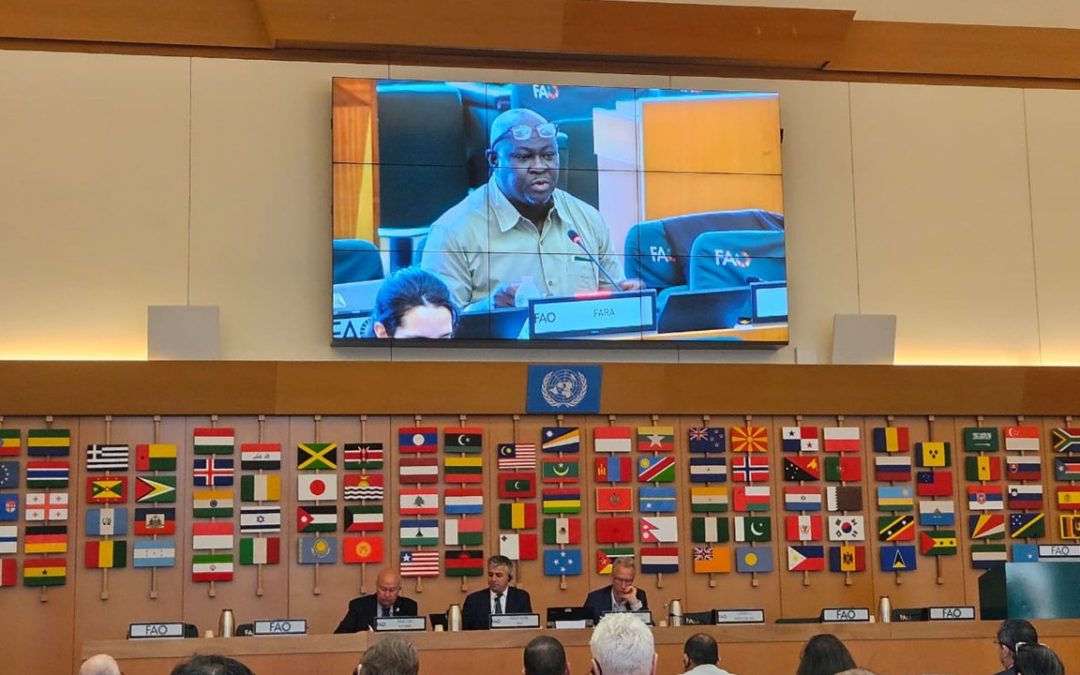
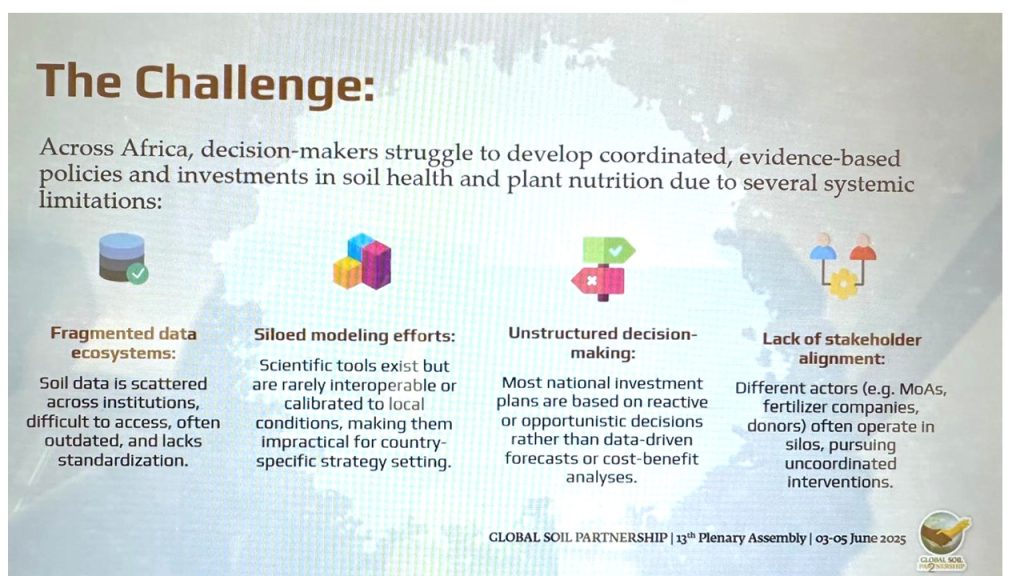
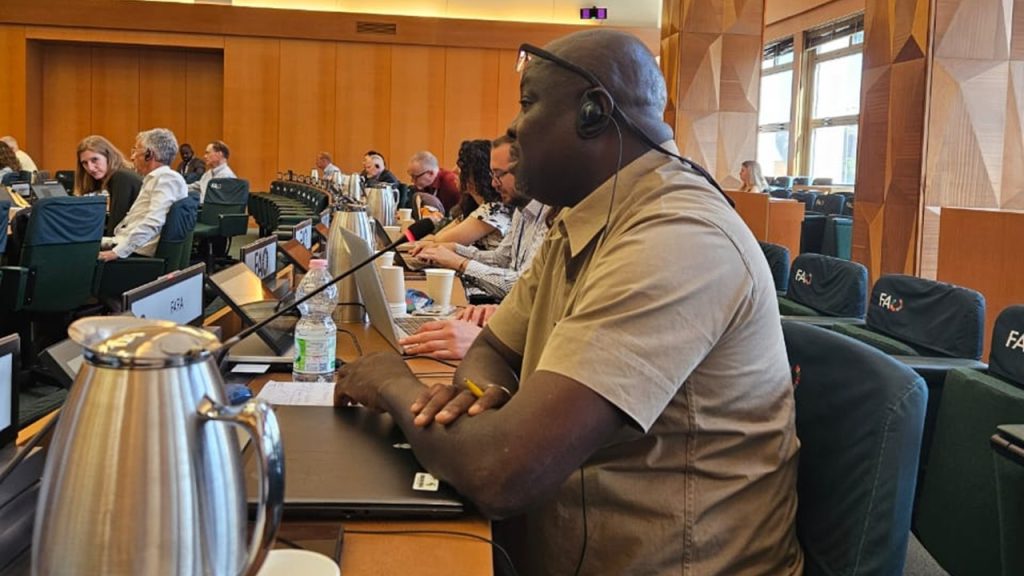
At the 13th Plenary Session of the Global Soil Platform (GSP) held at the FAO campus in Rome, Italy, 3rd – 5th June 2025.
The plenary on soil health featured a key presentation by Christian Witt and Paul Luu of the BMGF and the 4per 1000 initiative; their presentations highlighted the importance of soil health notation for managing soils globally. The BMGF accentuated the importance of the soil information system and the effort and support the foundation provides at the country and continental level in Africa.
In his intervention, Prof. ‘Wole Fatunbi, the Ag. Director of Research and Innovation at the Forum for Agricultural Research in Africa (FARA), emphasized the need to tie all efforts on managing the soils in Africa to the continental efforts that reside in the Soil Initiative for Africa (SIA) and the Africa Fertilizer and Soil health Action Plan (AFSH-AP), the AFSH-AP is the 10 years implementation framework for the SIA. He indicated the importance of the Soil information to achieve the goals of SIA and soil health ambitions. The African president set an ambitious goal of restoring 30% of the degraded lands in Africa to a healthy soil status in 10 years. The current challenge is what is a “Healthy Soil” and what indicators should be measured, what are the thresholds of these different indicators, and what index will help define a healthy soil. While efforts are going on the continent to have the indicators, the cooperation of all stakeholders are essential.
On stimulating the right action, Prof Wole emphasized the need for broad-based communication efforts, especially those that touches the last mile with the soil users, “apparently, they are the ones to ensure their production asset is truly healthy”. In principle, the Africa Soil Information System must be robust enough to provide easily accessible advisory services to the users.
The need to effectively engage all stakeholders within and outside Africa in this drive is vital to achieve the ambition of African leaders in managing the African soil. This is reposed in the SIA and AFSH-AP.
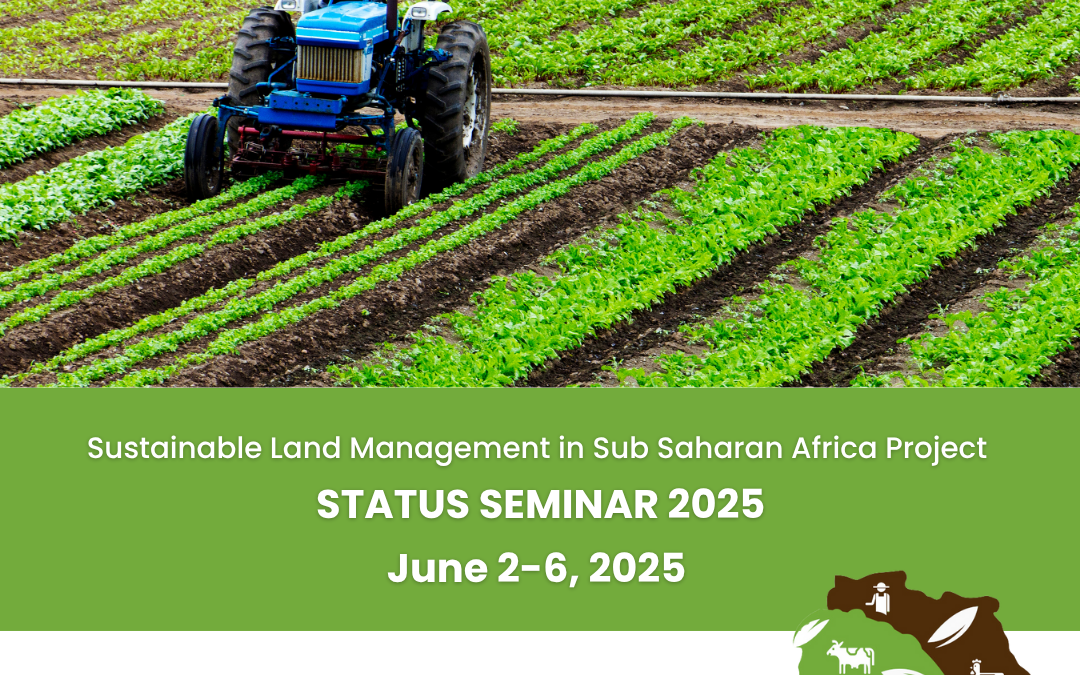
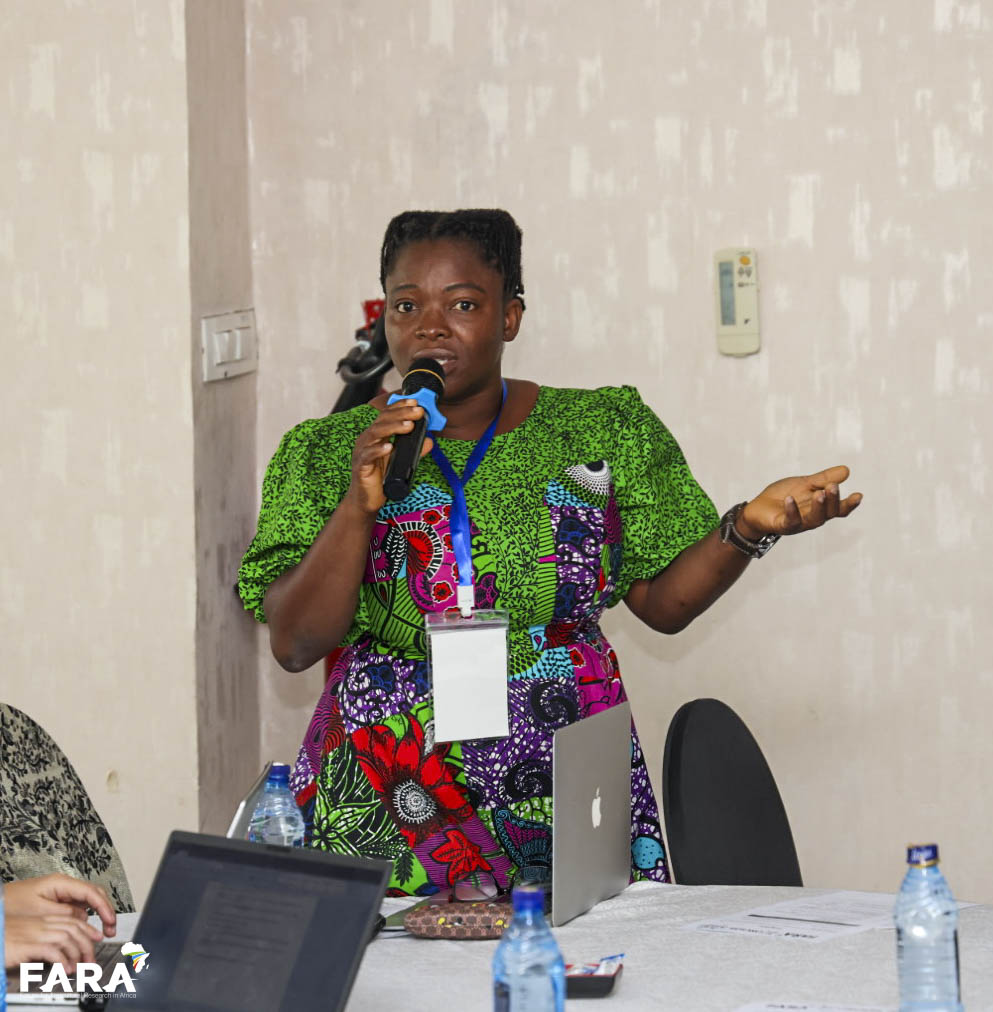
To foster transdisciplinary exchange on sustainable land management, climate resilience, and agricultural innovation in Sub-Saharan Africa, over 120 leading researchers, policymakers, and practitioners will gather in Accra for the “Status Seminar 2025.” Hosted by the German Institute of Development and Sustainability (IDOS), the Forum for Agricultural Research in Africa (FARA), and the Center for Development Research (ZEF) at the University of Bonn. This high-level event blends cutting-edge science with community-based innovation.
The seminar will spotlight four major regional research projects, including COINS, DecLaRe, Minodu, and InfoRange, as well as the cross-cutting support initiative INTERFACES, which links institutions across Germany and several African countries. These projects collaborate to address pressing challenges in agriculture and natural resource management through inclusive, evidence-based, and scalable solutions.
INTERFACES strengthens the projects’ effectiveness and visibility by supporting knowledge management, networking, science communication, social learning, capacity development, and policy engagement. The seminar will offer a platform to showcase research outcomes and foster dialogue among diverse stakeholders—from scientists to traditional authorities, from youth representatives to development partners.
Key themes of the 2025 edition include gender equity and intersectionality in sustainable land use, digital transformation in agriculture, and governance in fragile and contested regions. Participants will explore how collaborative knowledge development and innovation can bridge the gap between research and real-world impact, building stronger connections between Africa and Europe.
Highlights of the week-long program include a keynote address by Prof. Elvis Asare-Bediako, Vice Chancellor of the University of Energy and Natural Resources (Ghana); a high-level panel on policy challenges in sustainable development; hands-on training workshops; and the launch of a new e-learning certificate.
A curated exhibition of posters and multimedia displays will showcase community perspectives and cross-national collaborations. Additionally, a field excursion will take participants to Dawhenya, where they will visit the Agri-Impact Greenhouses and facilities of the Ghana Irrigation Authority. These sites exemplify integrated approaches to youth employment, food production, and sustainable irrigation practices. The Ghana Irrigation Authority, in partnership with local and international stakeholders, supports farmers in producing and packaging crops like rice for domestic and export markets.
The opening ceremony on 3rd June will feature high-level dignitaries and institutional leaders, including representatives from:
The Office of the Vice President of Ghana
Dr. Ibrahim Murtala Muhammed (MP), Minister for Environment, Science, Technology and Innovation (MESTI)
Eric Opoku (MP), Minister for Food and Agriculture (TBC)
Paul Bosu, Director-General of the Council for Scientific and Industrial Research (CSIR)
Aggrey Agumya, Executive Director of FARA
Stefan Müller, Head of Division, Future Provision – Fundamental and Sustainable Development Research, German Federal Ministry for Research, Technology and Space.
HE Daniel Krull, Ambassador of the Federal Republic of Germany
The conference will also host representatives from traditional institutions, youth and women’s groups, the German Embassy in Ghana, , and the media.
Project summaries
INTERFACES – Supporting Pathways to Sustainable Land Management in Africa
INTERFACES operates across Sub-Saharan Africa, with a strong focus on West Africa, enhancing the integration and outreach of regional initiatives in sustainable land management. The project facilitates inclusive dialogue on future visions and systemic change among scientists, policymakers, and community actors. By promoting co-learning, policy-relevant communication, and inclusive knowledge-sharing, INTERFACES helps bridge the gap between research and action. It also mainstreams sustainable land management concepts into academic programs in Africa and Germany, ensuring lasting impact. A commitment to gender responsiveness and social inclusion ensures that solutions equitably address the needs of diverse populations.
COINS – Co-developing Innovations for Sustainable Land Management in West African Smallholder Farming Systems
COINS works to sustainably intensify agriculture in Northern Ghana and the Senegal River Valley without expanding cultivated land. The project co-develops efficient land management strategies by considering both biophysical and socio-economic contexts. Through landscape-based modelling and data science, it identifies and pilots viable agricultural innovations. Farmers, policymakers, and scientists collaborate in innovation labs to test and refine solutions, focusing on inclusive risk management and incentive systems. The initiative ultimately supports policy frameworks that enhance food security and environmental sustainability.
DecLaRe – Decision Support for Strengthening Land Resilience in the Face of Global Challenges
DecLaRe is strengthening land and livelihood resilience in the sub-humid savannahs of Northern Benin and Ghana. The project develops a decision support system that combines scientific modelling with local and indigenous knowledge. This system helps guide policies and practices that support sustainable crop and livestock production, improve food systems, and enhance climate resilience. By aligning innovation with local realities and ensuring accessibility, DecLaRe fosters collaboration between researchers, policymakers, and the private sector.
Key Contact:
Prof. Dr. Andreas Buerkert, University of Kassel – [email protected]
Website: DecLaRe
InfoRange – Increasing Efficiency in Rangeland-Based Livestock Systems through Co-designed Digital Technologies
InfoRange leverages digital innovation to enhance rangeland management and livestock health in Kenya and Namibia. Working closely with pastoralist communities, veterinarians, and local authorities, the project co-designs mobile tools for pasture and veterinary management. These tools combine local knowledge with remote sensing and real-time data, offering accessible and context-specific decision support. InfoRange prioritizes co-creation with end-users, gender inclusion, and the use of participatory methods to ensure solutions are responsive to community needs and scalable beyond the project’s lifespan.
Minodu – Fostering Local Sustainable Development through Research and Technology
Minodu bridges the gap between research and practical land management in Togo by translating sustainability knowledge into accessible, user-friendly formats. It promotes inclusive dialogue with communities—especially women, youth, and digitally marginalized groups—to co-develop locally relevant solutions on climate change, water management, and land restoration. Through participatory approaches, Minodu empowers communities with knowledge, tools, and networks that drive context-specific actions and long-term sustainability.
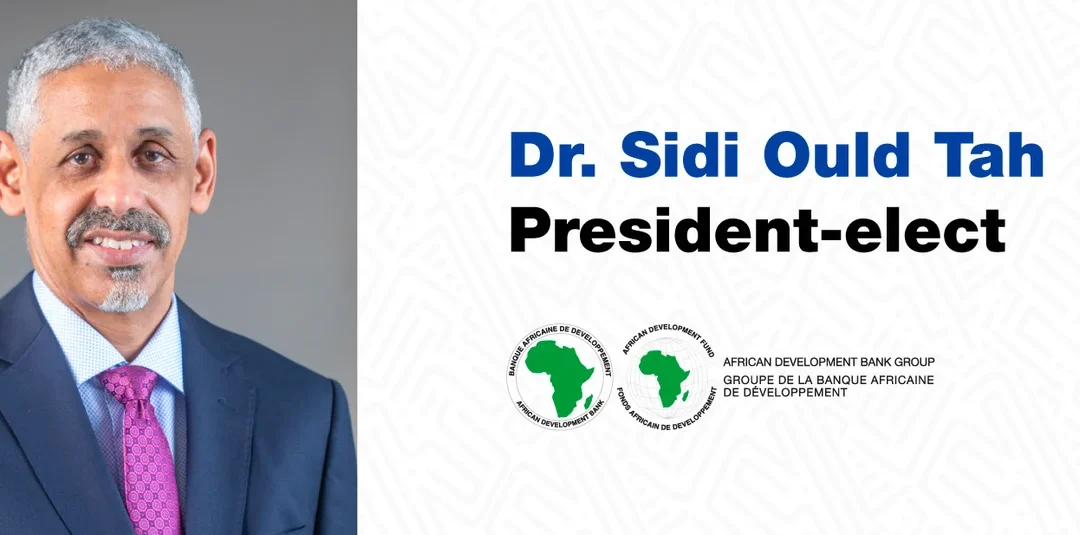
Sidi Ould Tah of Mauritania was today elected President of the African Development Bank Group at the Bank’s Annual Meetings held in Abidjan, Côte d’Ivoire.
Tah was elected by the Bank’s Board of Governors, comprising Finance and Economy Ministers or Central Bank Governors of the Bank Group’s 81 regional and non-regional member countries. The board is the highest decision-making authority for the Bank Group.
The results were announced by Nialé Kaba, Minister of Planning and Development for Côte d’Ivoire, and Chairman of the Board of Governors of the Bank Group.
Tah brings over 35 years of experience in African and international finance. He served as president of the Arab Bank for Economic Development in Africa (BADEA) for 10 years from 2015, where he led a full transformation that quadrupled the Bank’s balance sheet, secured a AAA rating, and positioned it among the top-rated development banks focused on Africa.
A former Minister of Economic Affairs and Finance of Mauritania, Tah has held senior roles in multilateral institutions and has led crisis response, financial reform, and innovative resource mobilization for Africa.
The Board of Governors Steering Committee received and approved a total of five candidates by the closing date of 31 January 2025. The list of candidates was officially announced on 21 February 2025.
The other candidates in the election were:
Amadou Hott (Senegal)
Samuel Maimbo (Zambia)
Mahamat Abbas Tolli (Chad)
Bajabulile Swazi Tshabalala (South Africa)
Tah will assume office on 1 September 2025, for a five-year term, following the end of the second mandate of current President, Dr. Akinwumi Adesina.
The African Development Bank’s past heads since its inception in 1964 are:
Mamoun Beheiry (Sudan), 1964-1970
Abdelwahab Labidi (Tunisia), 1970-1976
Kwame Donkor Fordwor (Ghana), 1976-1980
Willa Mung’Omba (Zambia), 1980-1985
Babacar N’diaye (Senegal), 1985-1995
Omar Kabbaj (Morocco), 1995-2005
Donald Kaberuka (Rwanda), 2005-2015
Dr. Akinwumi Adesina (Nigeria), 2015-2025.
The election of a new president comes at a crucial time in the Bank Group’s six decades of existence. Africa has remained resilient despite climate shocks, economic disruption, and a shifting geopolitical landscape, but needs to move faster or risk falling behind on delivering on the African Union’s Agenda 2063 and the Sustainable Development Goals, summed up in the Bank Group’s High 5’s.
The 2025 Annual Meetings of the African Development Bank Group are taking place from May 26 to 30 in Abidjan, Côte d’Ivoire under the theme “Making Africa’s Capital Work Better for Africa’s Development.”
The African Development Bank Group comprises three entities: the African Development Bank, the African Development Fund and the Nigeria Trust Fund. Its shareholder countries include 54 African countries or regional member countries, and 27 non-African countries or non-regional member countries.
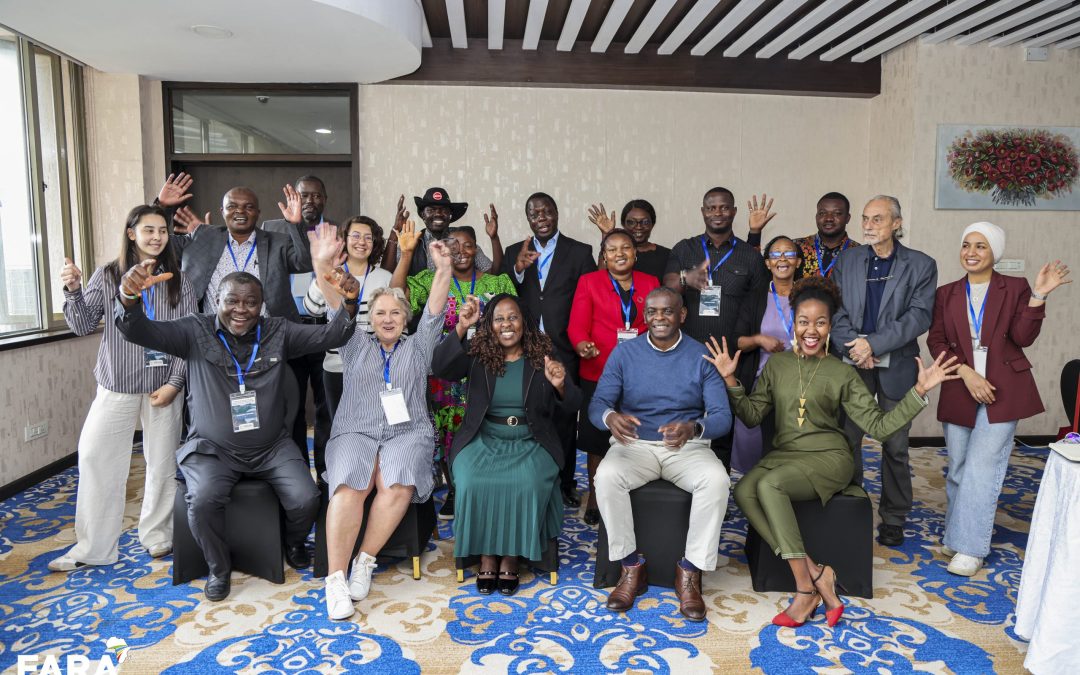
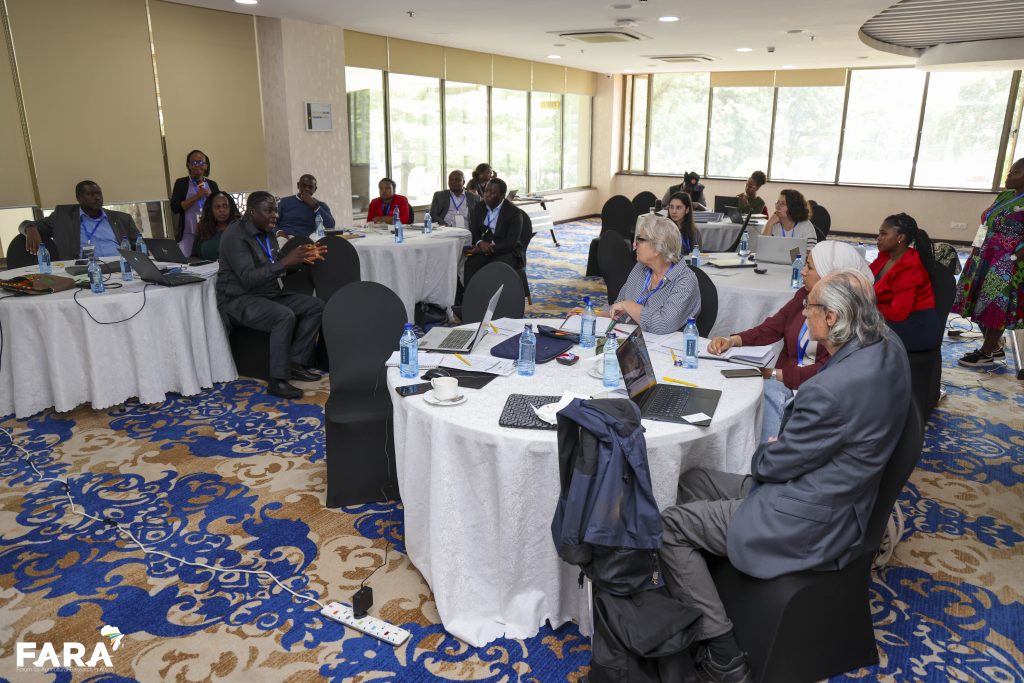
The state of knowledge and technologies about soil carbon management was the crux of discussion at the inaugural workshop of the Africa Node of the International Research Consortium on Soil Carbon (IRC-SC).
At the workshop held on the 26th – 28th May 2025 at the Golden Tulip Hotel, Nairobi, Kenya, the key presentations and discussions are on the subject of
Managing Green Carbon for Soil Health and Climate Change Mitigation in Africa.
Efforts to manage Soil Carbon in Africa: Imperative for SIA and AFSH-AP
Importance of agroforestry to Soil carbon management in Africa: Evidence from the field.
The Contributions of the Mineral Fertilizer to Soil Carbon Management in Africa: The Facts, Myths, and Fallacies
Making the case for Organic fertilizer manufacturing in Africa: Prospect, and benefits to carbon management
The role of capacity building on Soil organic carbon management in Africa: Imperative for Agroecology transition
Importance of Soil data to soil carbon management in Africa
The discussions pointed to the need to manage soil Carbon effectively as the key to halting soil degradation in Africa. Statistics show that Africa holds only 10% of the total carbon soil in the world due to the nature and properties of its soil. Despite this condition, the rate of loss of carbon soil is high due to agricultural practices and other land uses. This has a significant negative effect on agricultural productivity, ecosystem services, and climate change. The continental effort to manage African soil is the development of the Soil Initiative for Africa (SIA) and the Africa Fertilizer and Soil Health Action Plan (AFSH-AP).
Various scientific studies have indicated that integrated soil fertility management remains the best approach to ensuring agricultural productivity in Africa. It is vital to combine the application of organic fertilizer to manage soil carbon and mineral fertilizer to supply plant nutrients. A sound soil information system is necessary to develop a robust advisory tool that combines Soil information with agronomic, climatic, and market data and uses the best ICT tool to inform site-specific mineral and organic fertilizer applications.
The need for abundant biomass to produce organic fertilizer at an industrial level has received the attention of the private sector in recent years, and the momentum is building up across the continent. Efforts are needed to do appropriate labelling to inform both the humus and the nutrient content of the manufactured organic fertilizer. On another note, scientific action is needed to make recommendations on the humus application rate that will support a specific quantity of mineral fertilizer to ensure adequate supply to the plant without loss to the environment.
The Africa IRC-SC is established as part of global efforts to Raise Awareness on Soil carbon management, develop and disseminate scientific knowledge, and promote public-private synergies, implement thematic programming, contribute to a Strategic Research and Innovation Agenda (SRIA), and expand the scope of knowledge and action of Soil carbon management.
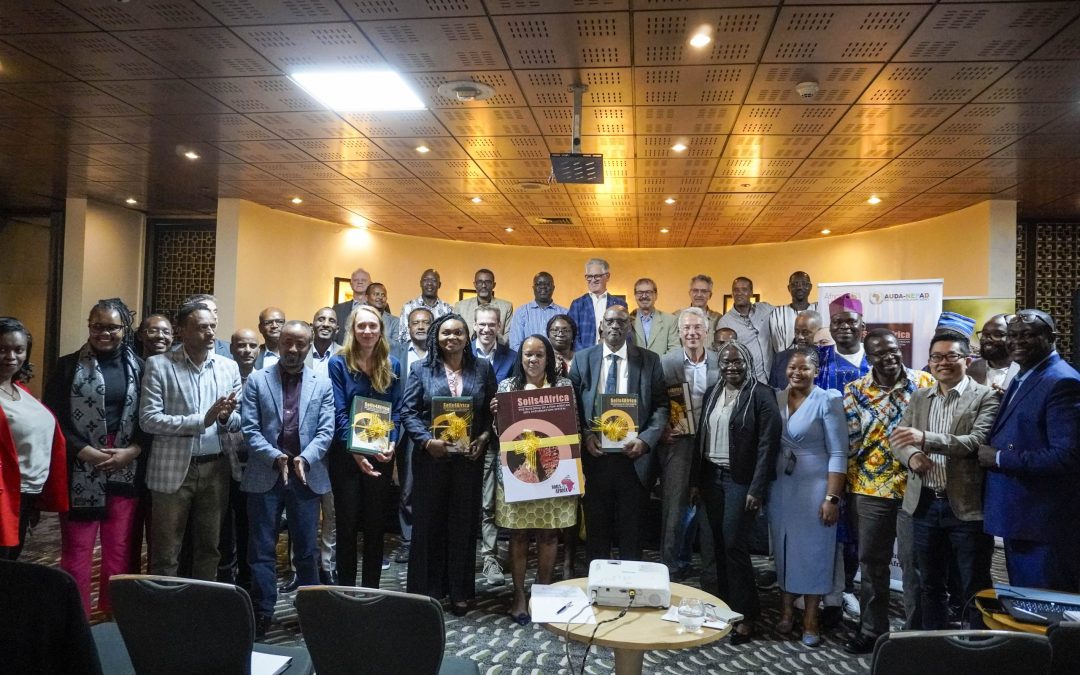
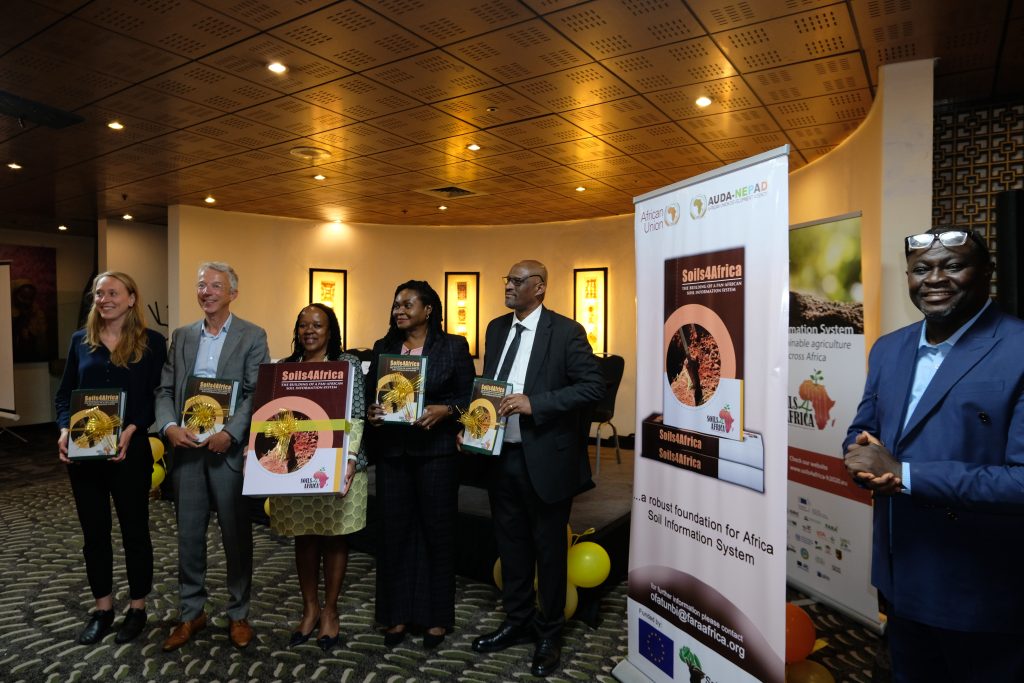
On 19th May 2025, at the Hilton Hotel, Addis Ababa, Ethiopia, stakeholders, led by the Department of Agriculture, Rural Development and Blue Economy (DARBE) of the African Union Commission, launched the African Soil Information System (AfSIS).
The launch marks a significant milestone in managing the continent’s most valuable production asset: African soils. For years, various efforts have been made to build soil information systems across the continent. However, these efforts often resulted in fragmented data collected using inconsistent formats, sampling techniques, and analysis methods. The data were simply not interoperable, limiting their utility and contribution to agricultural development and ecological services.
The Soils4Africa Project, implemented by 17 organizations drawn from Africa and Europe and supported by the European Union under the Horizon 2020 funding instrument, has laid the groundwork to fulfill the African vision of having its own soil information system. The project partners have developed a robust soil sampling methodology, protocol, and analysis method over the last five years. They have collected soil samples from 33 African countries, analyzed the data, and developed the African Soil Information System. This system serves as the launchpad for a more robust platform entrenched in the Soil Initiative for Africa (SIA) and the Africa Fertilizer and Soil Health Action Plan, tailored to meet all the identified needs for a soil information system in Africa.
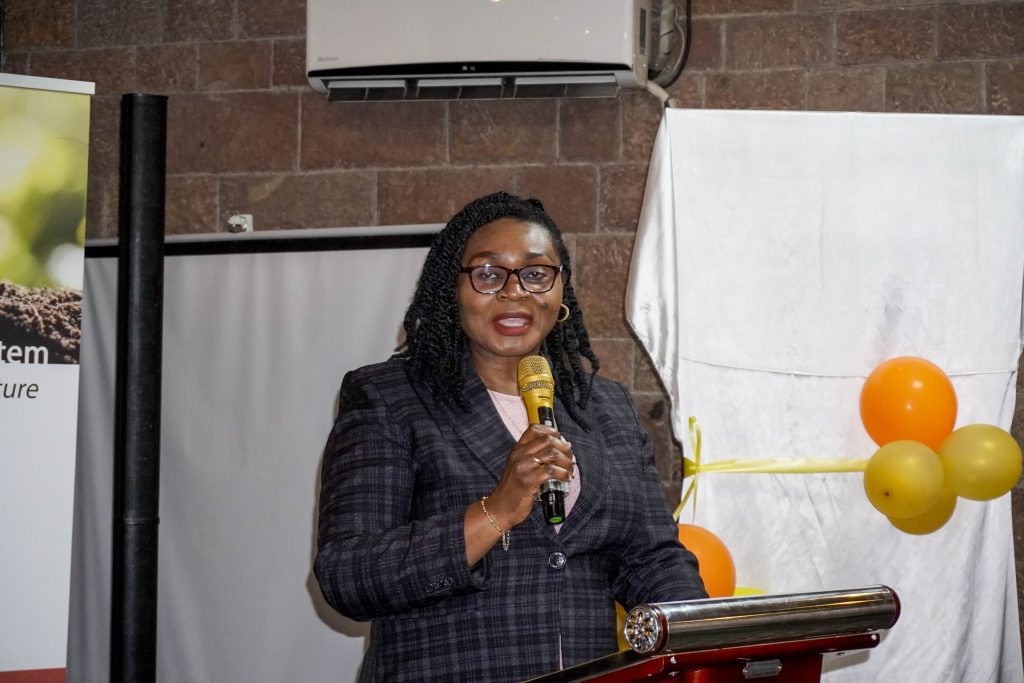
Dr. Janet Edeme, Head of Rural Development Division & Acting Head of Agriculture, African Union Commission
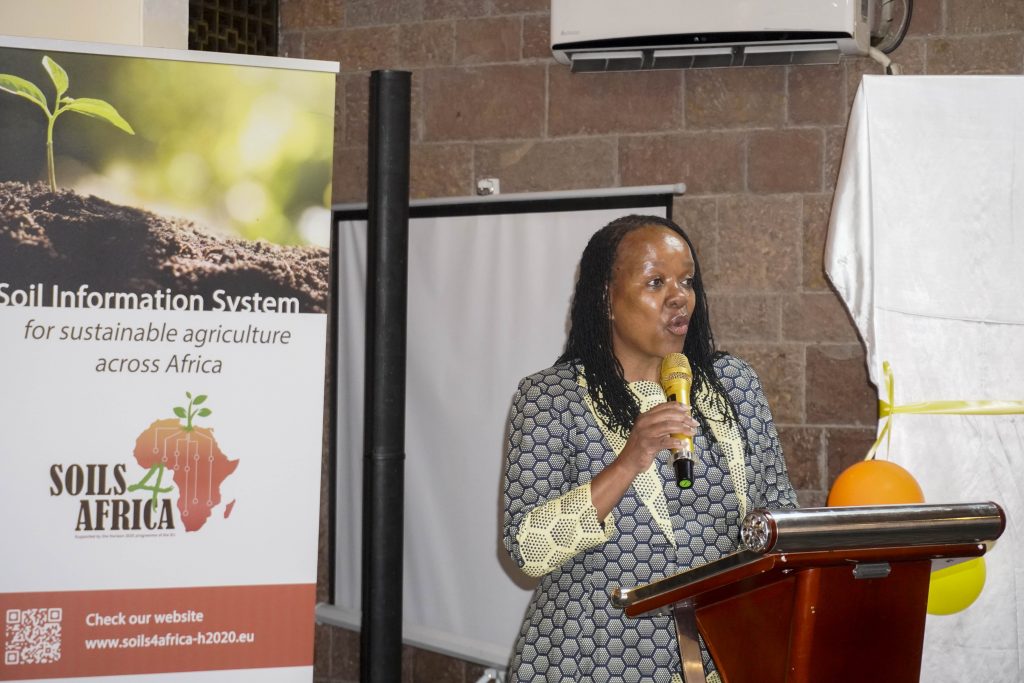
In a keynote address delivered on behalf of His Excellency Moses Viliakati, the Commissioner for DARBE, by Dr. Janet Edeme, Head of the Rural Development Division and Acting Head of Agriculture at the African Union Commission, he reiterated the urgent need for a fully functional soil information system to inform policy decisions on land use, investment in fertilizer manufacturing, blending, and use, as well as effective soil management. He emphasized the need for Africa to build on existing strong foundations—as exemplified by the Soils4Africa project—rather than reinventing the wheel.
Professor Ayasu Elias, State Minister for Agriculture, Ethiopia
Professor Ayasu Elias, the State Minister for Agriculture in Ethiopia, emphasized the importance of a reliable soil information system in agricultural development. He highlighted Ethiopia’s progress in utilizing its national soil information to drive notable successes in the country’s agricultural sector.
Ms. Bongiwe Njobe, Chair of the Forum for Agricultural Research in Africa (FARA) Board of Directors
Madam Bongiwe Njobe, Chair of the Forum for Agricultural Research in Africa (FARA) Board of Directors, also underscored the role of soil information systems in developing localized fertilizer blends and guiding efficient fertilizer use across Africa. She called on African stakeholders to “jealously guard” the system and ensure its full utilization.
Rik van den Bosch, Director General of ISRIC – World Soil Information
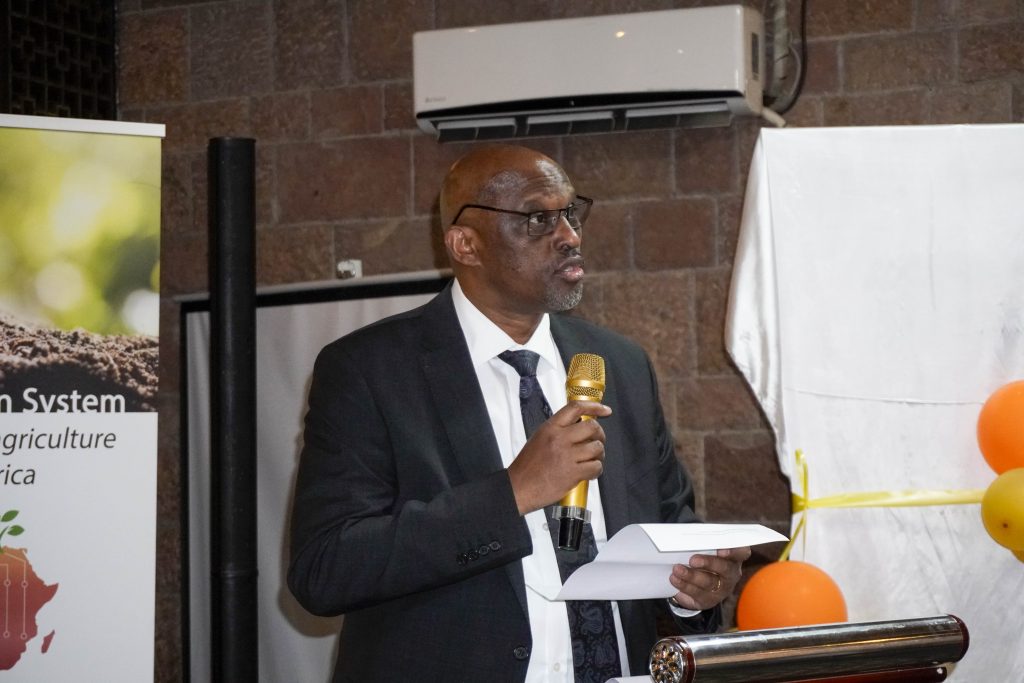
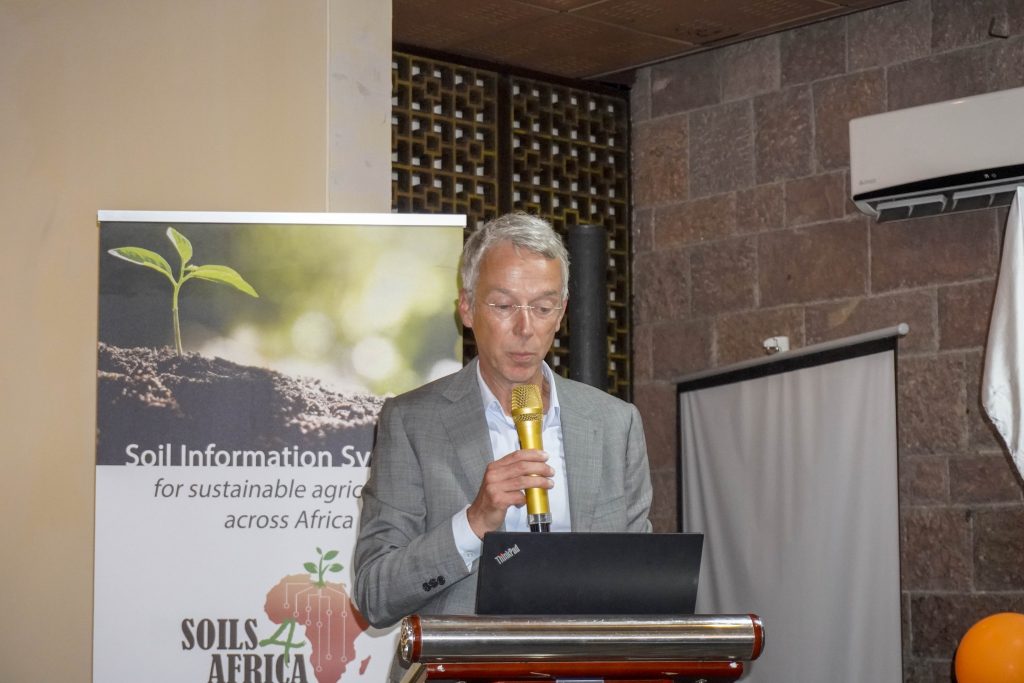
Rik van den Bosch, Director General of ISRIC – World Soil Information, highlighted ISRIC’s global leadership in soil data and its role in supporting continents, including Africa, in building robust soil information systems. He noted that African soil data belongs to Africa; it should be hosted by an African organization and developed in line with Africa’s interests.
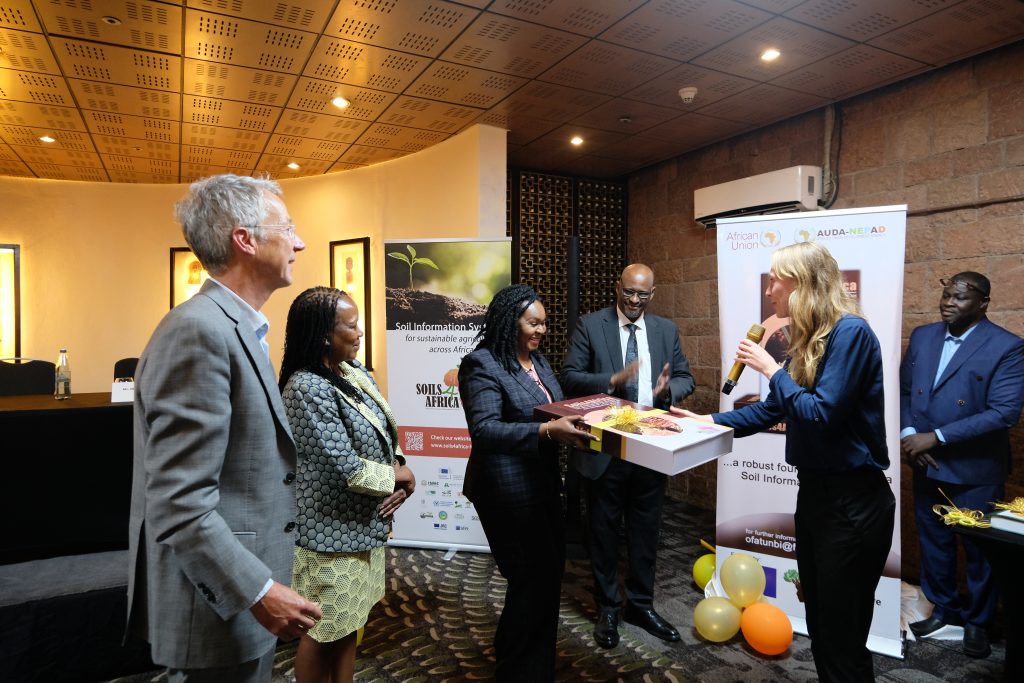
Dr. Elise van Eynde of the Joint Research Centre (JRC), handing over the emblem of the Soil Information System to the African Union,
In a well-animated handover ceremony, the European Union representative at the occasion, Dr. Elise van Eynde of the Joint Research Centre (JRC), handed over the emblem of the Soil Information System to the African Union, reaffirming the EU’s commitment to the AU-EU partnership for agricultural research and development. While receiving the emblem on behalf of the African Union, Madam Bongiwe Njobe expressed FARA’s commitment to host the continental Soil Information System and rally stakeholders to develop it into a fully functional instrument that serves African needs and interests.
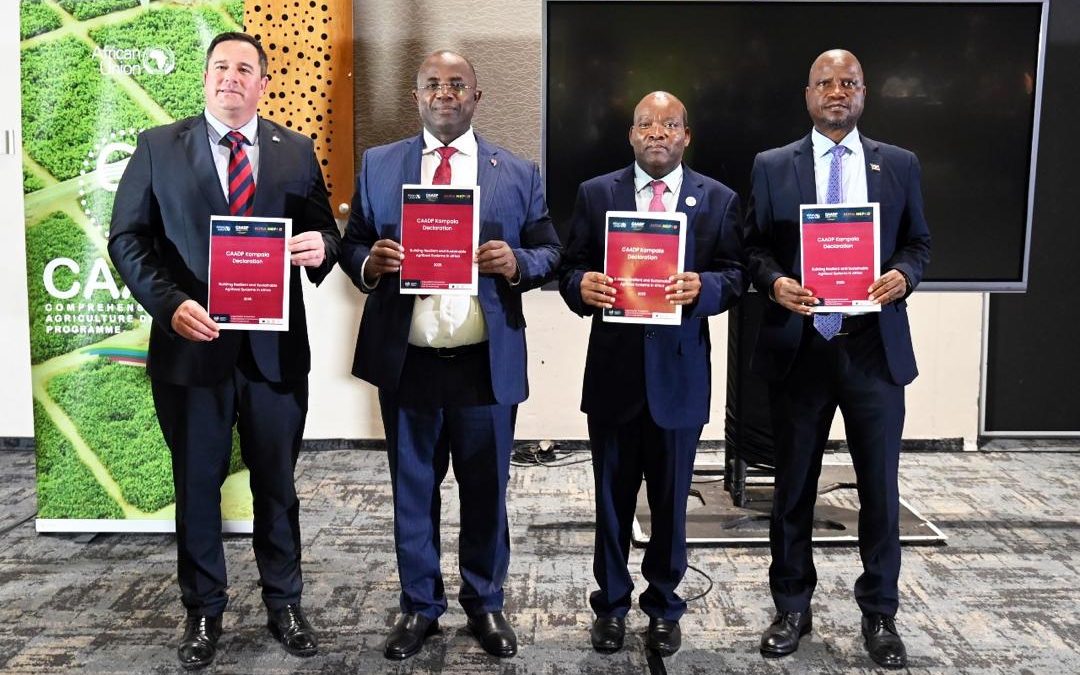
Today, at the Radisson Hotel in Johannesburg, African leaders, stakeholders, and development partners celebrated a significant milestone in the continent’s agricultural journey with the official launch of the Comprehensive Africa Agriculture Development Programme (CAADP) Strategy and Action Plan (2026–2035) alongside the Kampala Declaration. The high-profile event was organised by the African Union Commission’s Department of Agriculture, Rural Development, Blue Economy and Sustainable Environment (DARBE) and the African Union Development Agency (AUDA-NEPAD).
This continental gathering attracted broad and diverse participation from AU Member States, Regional Economic Communities (RECs), civil society organisations, farmer groups, parliamentarians, youth and women’s networks, private sector actors, and development partners. Among the notable attendees were leaders of the AARIEI Partnership, including Dr. Aggrey Agumya, Executive Director of the Forum for Agricultural Research in Africa (FARA); Prof. Cliff Dlamini, Executive Director of CCARDESA; and Ms. Elizabeth Nsimadala, President of the East African Farmers Federation (EAFF) and Board Member of both FARA and the Pan-African Farmers’ Organisation (PAFO). Also present were the African Food Systems Parliamentary Network, Women Farmers’ Associations, representatives of non-state actors, and other senior staff and board members of the AARIEI consortium institutions.
Rallying Commitment: High-Level Remarks
H.E. John Steenhuisen, Minister of Agriculture for the Republic of South Africa
Opening the event, H.E. John Steenhuisen, Minister of Agriculture for the Republic of South Africa, delivered a reassuring welcome address. He applauded the appointment of the new AU Commissioner and urged African leaders to unite behind the six strategic objectives of the new CAADP plan. He emphasized intra-African trade, transformative programming for smallholder farmers, knowledge creation and sharing, data-driven planning, and digital technology adoption as cornerstones for agricultural progress.
H.E. Moses Vilakati, AUC Commissioner for Agriculture, Rural Development, Blue Economy and Sustainable Environment (DARBE)
H.E. Moses Vilakati, the newly appointed Commissioner for Agriculture, Rural Development, Blue Economy and Sustainable Environment at the AUC, inspired participants with the metaphor: “Let us all put our hands on deck to get the seed into a bountiful harvest.”
H.E. Nardos Bekele, CEO of AUDA-NEPAD delivering her remarks via Zoom
Additional remarks were delivered by: H.E. Nardos Bekele, CEO of AUDA-NEPAD, highlighting the strategic role of partnerships; Hon. Fred Bwino Kyakulaga, Minister of State for Agriculture of Uganda and Chair of the STC Bureau, who called for increased country ownership and alignment; Senior representatives from RECs such as SADC, ECCAS, and UMA; and Odd Eirik Arnesen, Chair of the Development Partners Coordination Group (DPCG), who reaffirmed the commitment of partners to support the strategy’s rollout.
Hon. Fred Bwino Kyakulaga, Minister of State for Agriculture of Uganda and Chair of the STC Bureau
The Strategic Blueprint: CAADP 2026–2035
Odd Eirik Arnesen, Chair of the Development Partners Coordination Group (DPCG)
The new CAADP Strategy and Action Plan was developed in response to the AU Assembly’s 2024 directive for a renewed continental agricultural vision. Building on lessons from Maputo and Malabo, it outlines six strategic objectives designed to address food security, mobilising investment, climate resilience, agro-industrialisation, inclusive growth, and improved governance across Africa’s agri-food systems.
Ms. Panduleni Elago (AUC)
Presented by Dr. Manyewu Mutamba (AUDA-NEPAD) and Ms. Panduleni Elago (AUC), the strategy advocates for evidence-based policies, regional value chain development, social protection, and strong accountability systems. The session featured ministerial interventions and concluded with the formal unveiling of both the Strategy and the Kampala Declaration.
Broader Commitments from Member States and Partners
Further contributions reflected a continental consensus on the necessity for bold, coordinated action. The Minister for Agriculture of the Kingdom of Eswatini, Hon. Jabulani Mabuza, emphasised the importance of removing practical barriers to regional integration under the African Continental Free Trade Area (AfCFTA). He advocated for reforms such as abolishing travel visa restrictions among African countries, establishing strategic travel hubs to facilitate easier intra-African movement, and developing a common payment platform. He also encouraged the African Union Commission to create an intersectoral forum that would enhance coherence in policy development and implementation at national, regional, and continental levels—bridging the persistent divide between policy and practice.
Babagana Ahmadu, FAO Representative, Pretoria, South Africa
Speaking on behalf of Dr. Abebe Haile-Gabriel, FAO Assistant Director-General and Regional Representative for Africa, the FAO Representative in Pretoria emphasised the need for the third CAADP to prioritise greater empowerment of youth and women, highlighting that inclusive transformation must be central to the continent’s development strategy.
Additionally, representatives from key stakeholder groups, including the African Food Systems Parliamentary Network, Women Farmers’ Associations, and various non-state actors, publicly reaffirmed their commitment to the successful implementation of the Kampala Declaration. They highlighted the necessity for transparency, inclusive governance, and long-term partnerships to ensure the strategy produces tangible benefits for the people of Africa, particularly its farmers.
FARA and the Role of the AARIEI Partnership
Representing the Knowledge Institutions within the AARIEI Partnership—including FARA, CCARDESA, CORAF, ASARECA, AFAAS, and RUFORUM—as well as the CGIAR, FARA reaffirmed its leadership in supporting evidence-based planning, enhancing agricultural knowledge systems, and driving innovation to transform Africa’s agri-food systems.
Dr. Aggrey Agumya, Executive Director of FARA
Speaking at the launch, FARA’s Executive Director, Dr. Aggrey Agumya, emphasised the institution’s readiness to align its strategies and business plans with the aspirations of the Kampala Declaration. He highlighted the significance of science, innovation, education, and capacity development in facilitating implementation. Dr. Agumya assured the African Union Commission of the consortium’s unwavering commitment to delivery.
Prof. Cliff Dlamini, Executive Director of CCARDESA
In addition, Prof. Cliff Dlamini, Executive Director of CCARDESA, urged all stakeholders to make the third CAADP a decade of scaling innovation, both scaling up and scaling deep, to catalyze accelerated and inclusive growth.
From the farmers’ perspective, Ms. Elizabeth Nsimadala, a Board Member of FARA and PAFO and President of the EAFF, spoke on behalf of over 80 million farmers across 50 African countries. She expressed gratitude to the AUC for involving farmers throughout the development of the Kampala Declaration and reaffirmed their commitment to its execution. She urged a supportive policy environment, enhanced investment flows, stronger extension systems, and deeper farmer engagement at the national level.
“We don’t wish to be summoned to eat when the food is already ready,” she emphasised. “We request all partners to be truthful, commit to transparency, and concentrate on what is achievable.”
A Decade of Transformation Begins
The launch of the CAADP Strategy and Action Plan 2026–2035, along with the Kampala Declaration, signifies a crucial turning point in Africa’s pursuit of agricultural transformation. With the full support of member states, technical institutions, development partners, parliamentarians, women and youth networks, and non-state actors, Africa is set to enter a new era of inclusive, resilient, and knowledge-driven agricultural development.
For More Information:
The CAADP Strategy and Action Plan 2026–2035 and the Kampala Declaration are available in the following languages in the AARIEIspace: