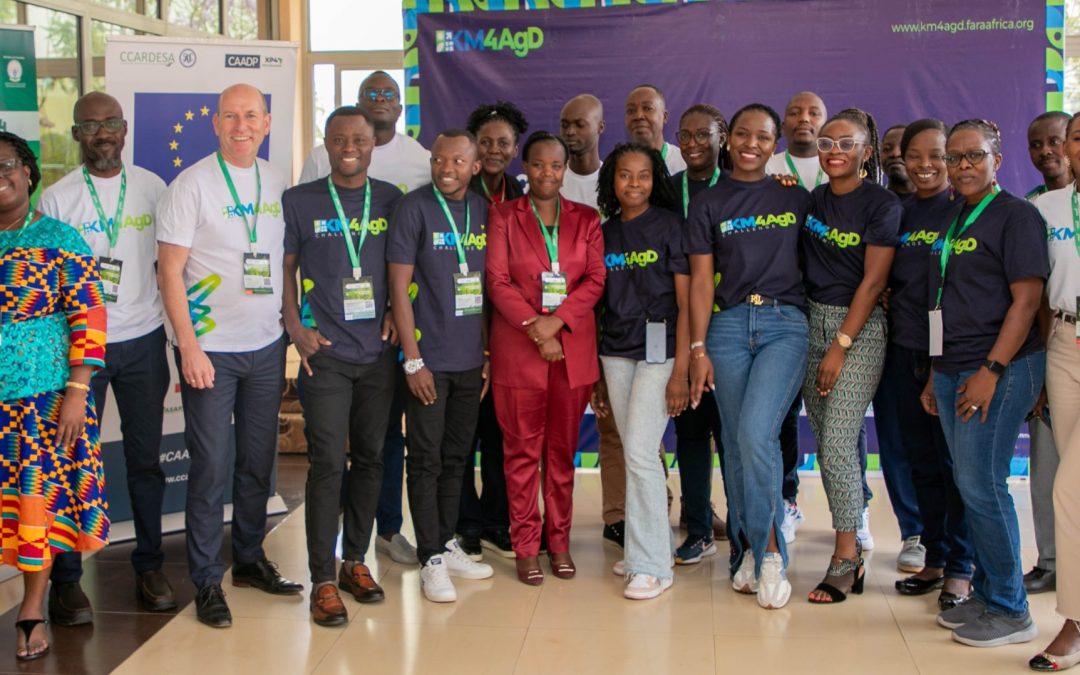
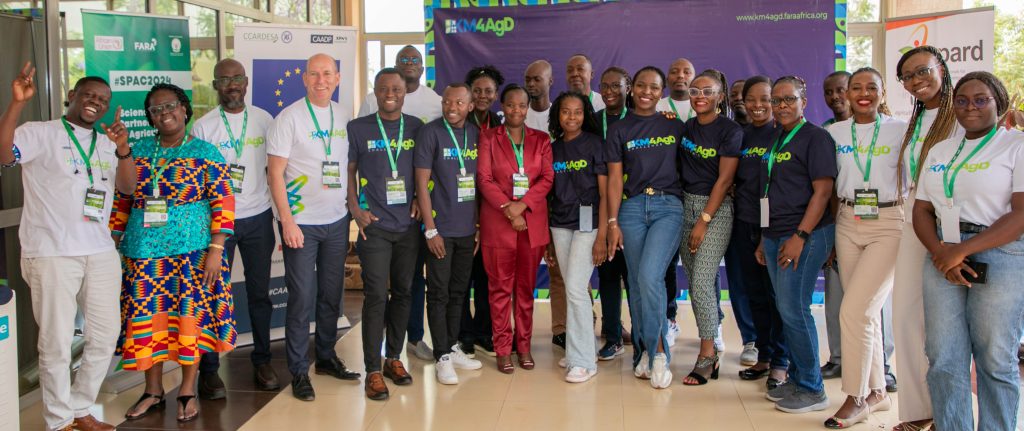
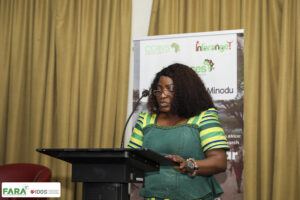
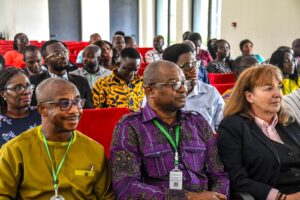
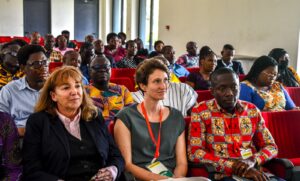
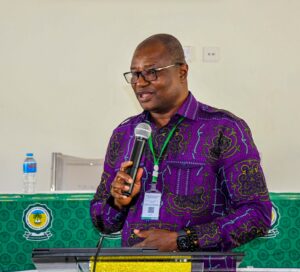
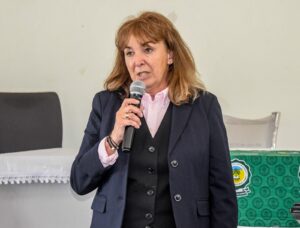
The webinar opened with warm remarks from the moderator, Mabel Lum Shu, who welcomed participants and set the tone for a highly interactive learning experience. She underscored the importance of creating collaborative spaces where practitioners can co-create, share, and reflect on what works in knowledge partnerships. In her words, “the vibrancy of our community depends on how well we listen, adapt, and innovate together.”
One of the session’s highlights was a presentation by Benjamin Abugri, KM, Digitalisation and Learning Lead at the Forum for Agricultural Research in Africa (FARA) and Facilitator of the KM4AgD CoP. Drawing from field experiences and community engagements, Benjamin presented six practical ingredients for building and sustaining successful Communities of Practice. These included: setting clear goals, establishing a learning plan, assigning a moderator or facilitator, using social media and forums for communication, equipping members with collaboration tools, and supporting emerging communities to maintain momentum. He illustrated how these components have been applied within the KM4AgD CoP to strengthen participation and impact. “By nurturing emerging communities,” he noted, “we spread innovation and sustain momentum within our knowledge ecosystem.”
The keynote address was delivered by Krishan Bheenick, a globally respected Knowledge Management consultant. In a deeply reflective and engaging presentation, Krishan traced the evolution of KM in agricultural development from early institutional frameworks to present-day knowledge ecosystems. Using the “KM Tree” model and an ecosystem-based approach, he emphasised the need for strategic alignment, capacity building, and modular planning within KM networks. Krishan encouraged participants to shift from seeing KM as a support service to recognising it as a strategic driver of transformation. He proposed the development of SMART, modular work packages within CoPs that can be celebrated as collective achievements and used to attract new members and partners.
His presentation also introduced the idea of Information, Communication, and Knowledge Management (ICKM) outputs, categorised as communication products, information products, and knowledge products. These, he argued, should be tailored to different levels of stakeholder engagement: global, regional, national, community, and organisational. This approach, rooted in the principle of subsidiarity, allows for more meaningful engagement and storytelling across the agricultural research and development landscape.
The webinar further benefited from insights shared by several eminent guests, including Professor Andreas Brandner, Executive Director of the Knowledge for Development Partnership (K4DP) and Professor Annette Nabatanzi of the Knowledge for Development Centre at Makerere University Business School. Their reflections highlighted both the global relevance and local nuances of KM practice in Africa, emphasising the need for trust-building, shared learning, and institutional ownership.
A significant milestone during the webinar was the launch of the 2025 KM4AgD CoP Survey Report, presented by Bebel Nguepi of YPARD Cameroon. The report captured emerging trends in KM practice, revealing that while the tools and technologies have evolved, core challenges such as engagement, capacity gaps, and institutional integration remain persistent. Upile Faith Muhariwa (Malawi) served as rapporteur for the session, ensuring that the learning points were well documented.
The technical smoothness of the event was made possible through the expert support of Allan Shaquille Pennaneach and Prince Owusu, who handled the digital logistics and participant engagement with professionalism and precision.
In closing, the session reaffirmed the role of KM4AgD as a dynamic platform for collective learning, innovation, and policy influence. As Africa continues to navigate complex development challenges, the importance of well-structured, inclusive, and collaborative KM partnerships cannot be overstated. By drawing on best practices and adapting to context, the KM4AgD CoP continues to offer a blueprint for how knowledge can be mobilised to transform agriculture and livelihoods across the continent. With FARA, CAADP-XP4 partners (CORAF, ASARECA, CCARDESA, AFAAS), INTERFACES and the CGIAR, the CoP remains committed to inclusive, evidence-based, and sustainable KM practices.
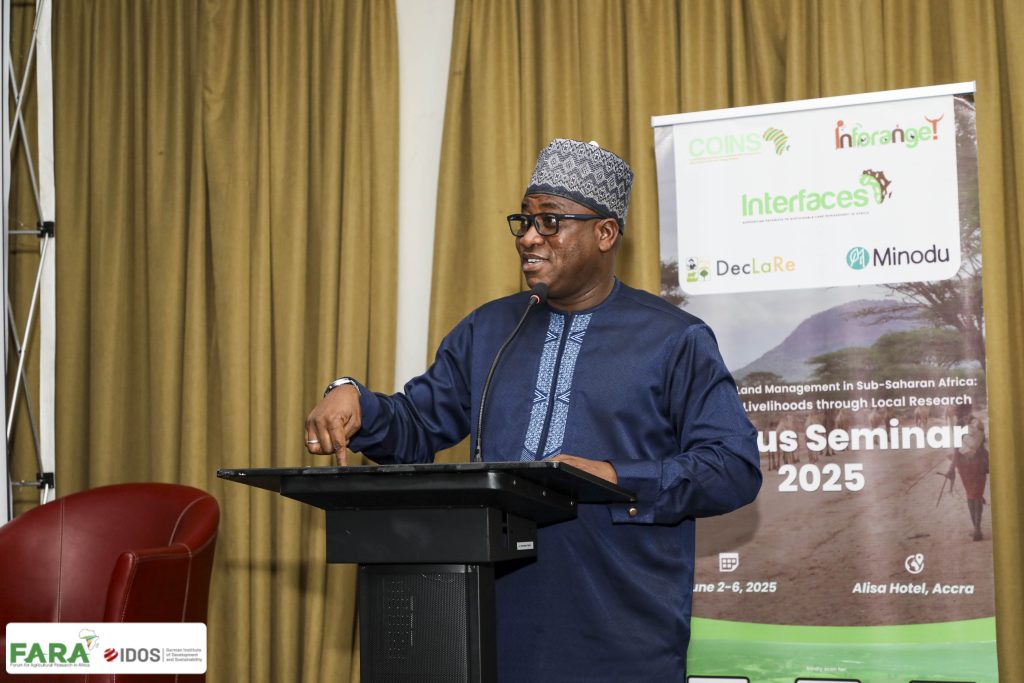
The Minister of Environment, Science, Technology and Innovation (Ghana), Dr Ibrahim Murtala Muhammed, has emphasised the need for science-driven solutions and innovation in combating land degradation and building climate resilience.
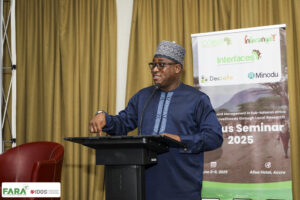
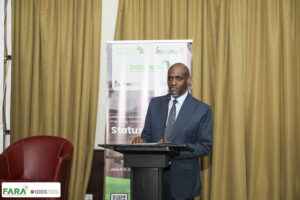
Speaking at the INTERFACES Status Seminar in Accra , Dr Muhammed highlighted the pressing issue of sustainable land and natural resource management, particularly in Sub-Saharan Africa, where soil erosion, erratic rainfall and diminishing soil fertility threaten ecosystems and livelihoods.
Minister of Environment, Science, Technology and Innovation (Ghana), Dr Ibrahim Murtala Muhammed
The Minister stressed that “science and innovation must drive efforts to address land degradation and promote sustainable development”. He also affirmed the need for scientific research to inform decision-making, implementation and empowerment, rather than remaining confined to academic circles.
Commitment
Dr Muhammed reaffirmed the government’s commitment to strengthening research and development, citing initiatives that support sustainable enterprises and small and medium-sized enterprises (SMEs).
He called on government agencies to enhance communication and collaborative partnerships to unlock private capital and advance the scientific community.
He commended the Forum for Agricultural Research in Africa (FARA) for its continental leadership in agricultural innovation and policy support and assured the government’s commitment to creating an enabling environment for FARA’s work.
“I commend the five projects that have come together here today for their transdisciplinary approaches that bring together science, policy and community action. By integrating local knowledge with advanced tools such as drone technology, and engaging all stakeholders—from traditional authorities to academia—these projects set a benchmark in participatory land governance,” the Minister said.
Seminar
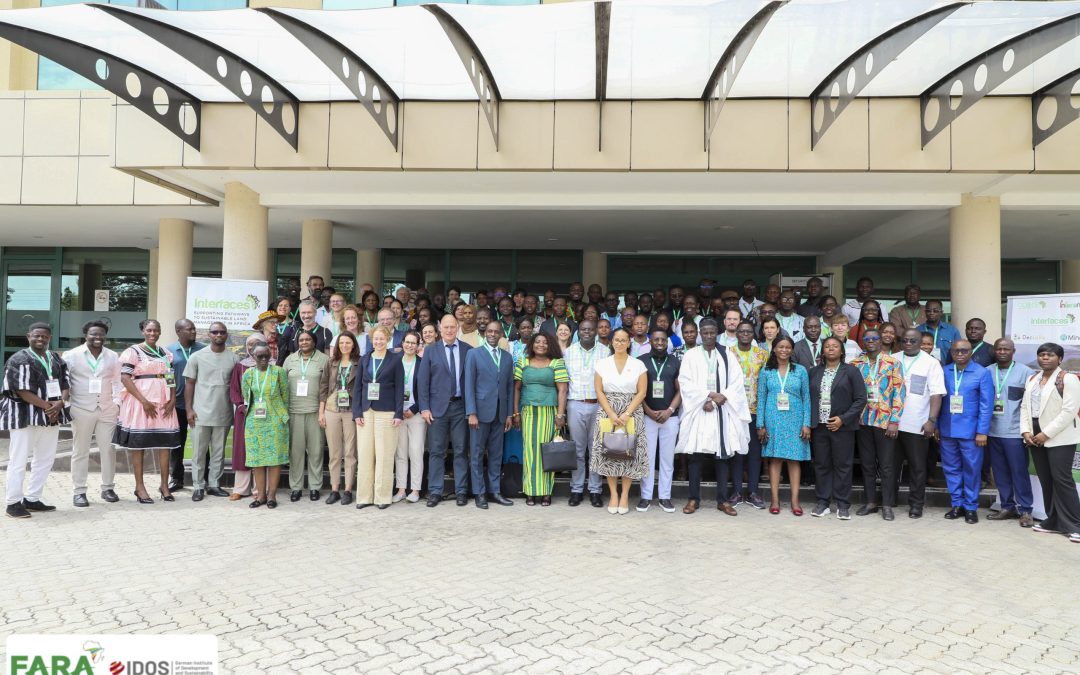
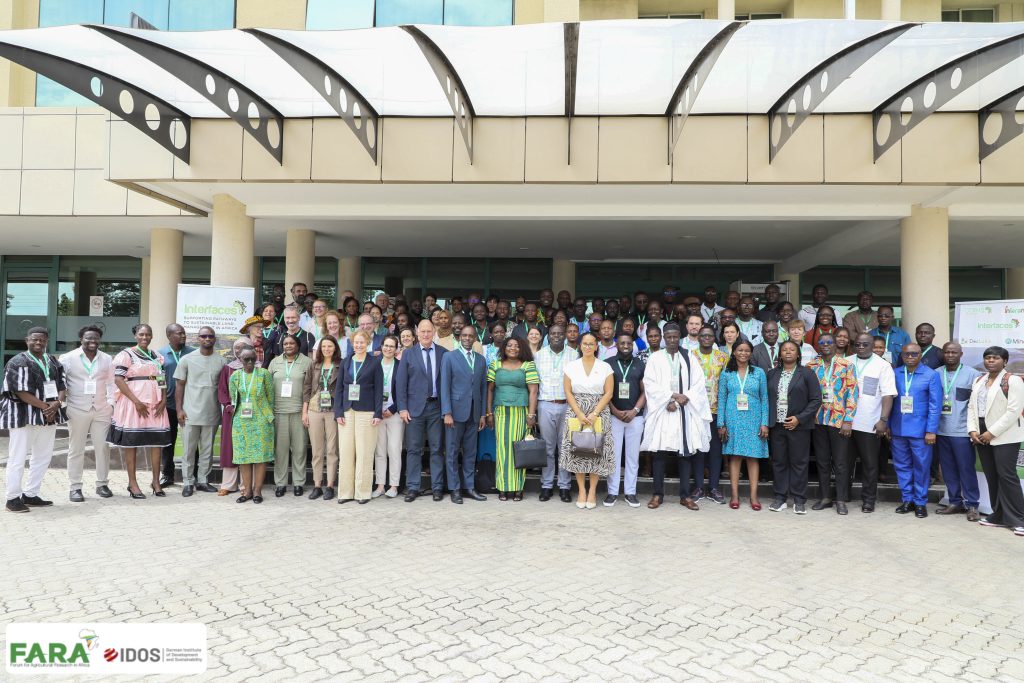
The seminar, funded by the German Institute of Development and Sustainability (IDOS), the Forum for Agricultural Research in Africa (FARA), and the Centre for Development Research (ZEF) at the University of Bonn, was attended by over 120 leading researchers, policymakers and practitioners.
It aimed to foster transdisciplinary exchange on sustainable land management, climate resilience and agricultural innovation in Sub-Saharan Africa.
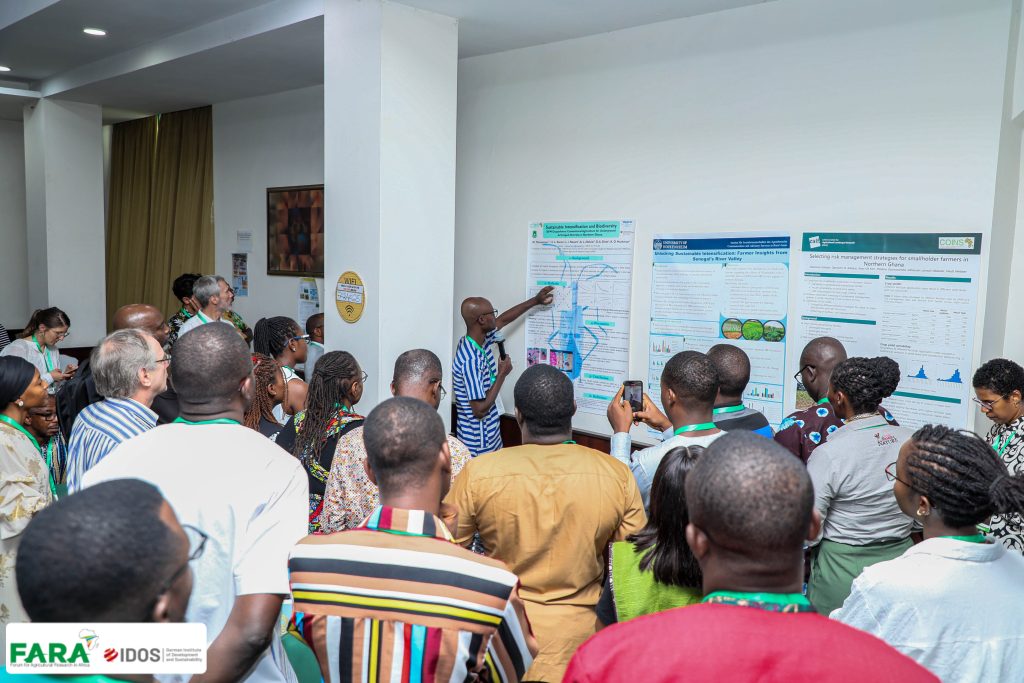
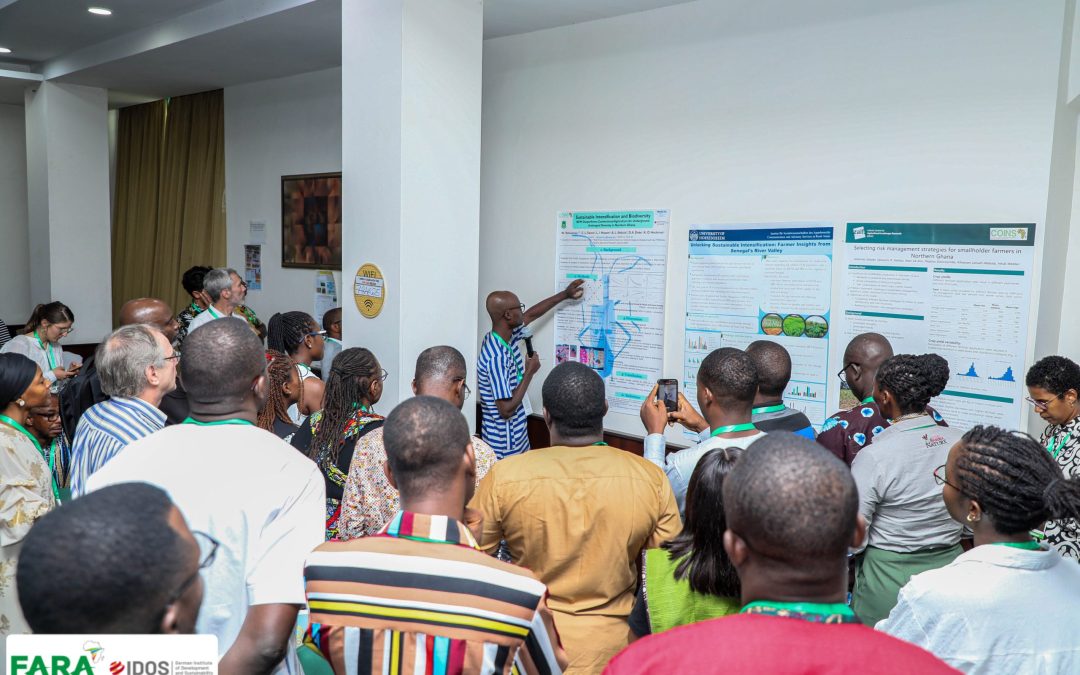
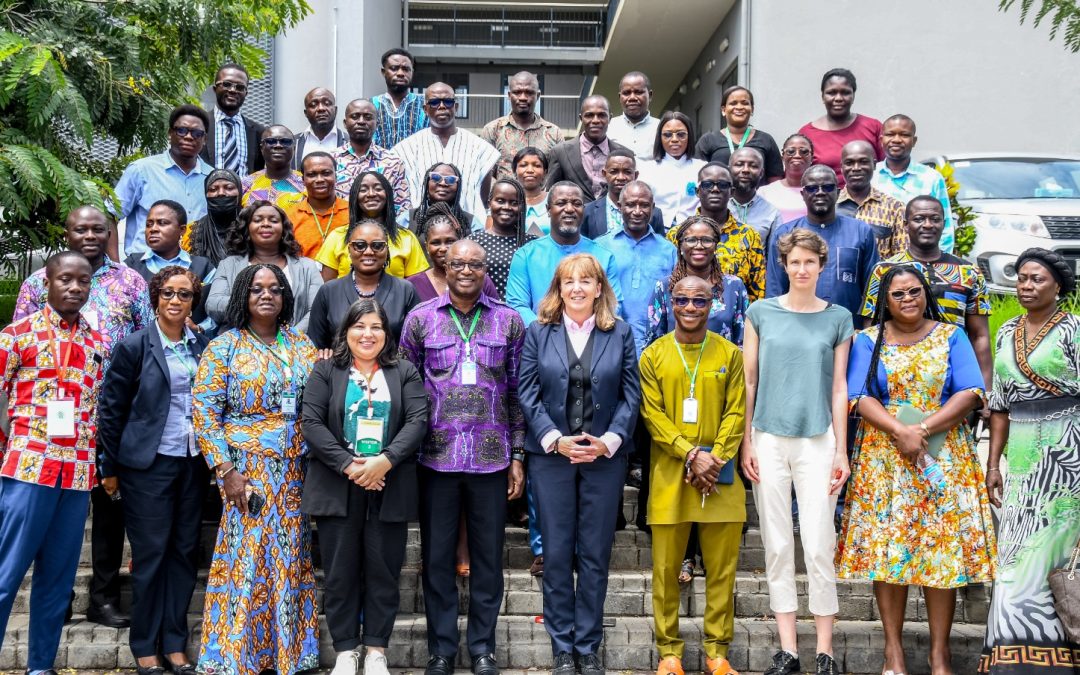
A section of stakeholders and participants during a research presentation workshop session at the Sustainable Land Management in Sub Saharan Africa Status Seminar 2025
It highlighted four major research projects—COINS, DecLaRe, Minodu and InfoRange—as well as the INTERFACES initiative, which fosters collaboration between institutions in Germany and several African countries.
The seminar also offered a platform to showcase research outcomes and foster dialogue among diverse stakeholders, from scientists to traditional authorities, youth representatives and development partners.
Participants explored how collaborative knowledge development and innovation can bridge the gap between research and real-world impact, building stronger connections between Africa and Europe.
Government plans
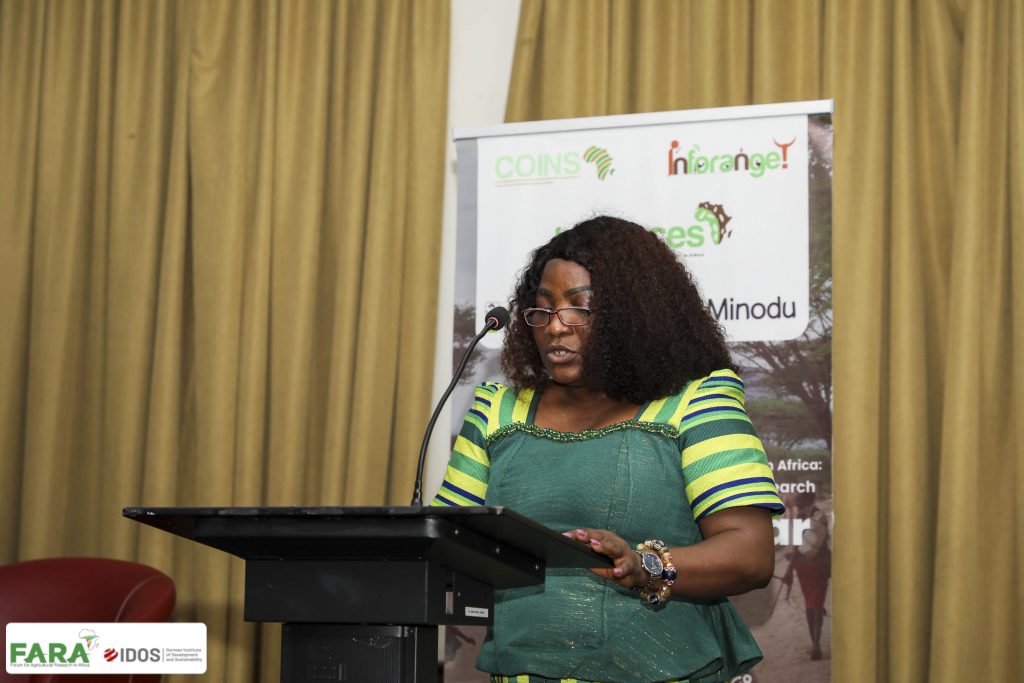
Speaking at the event, the Social Sector Policy Advisor to the Vice President, Dr Miriam R. Iddrisu, said the government had outlined a holistic strategy to enhance agriculture and encourage sustainable land use.
She indicated that, aligning with national development priorities and international climate responsibilities, the government’s efforts focus on empowerment, resilience and inclusive economic growth.
Dr Iddrisu noted that the government was dedicated to making agriculture appealing to young people and women through skills training, financial access and technology-driven opportunities.
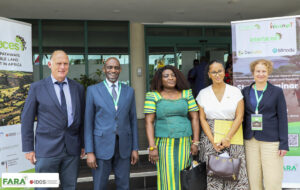
Social Sector Policy Advisor to the Vice President, Dr Miriam R. Iddrisu
“Government is instituting Women in Agriculture, a dedicated initiative aimed at improving women’s access to land, finance and business development opportunities, advancing gender equity and structural inclusion,” she said.
She emphasised that the government had also placed strong emphasis on empowering small-scale and vulnerable farmers through inclusive planning and targeted assistance, such as the “Nkoko Nkitinkiti” poultry project under the Feed Ghana Programme, to boost local poultry production and reduce import dependence, with a focus on supporting smallholder and youth farmers.
INTERFACES Project and leadership
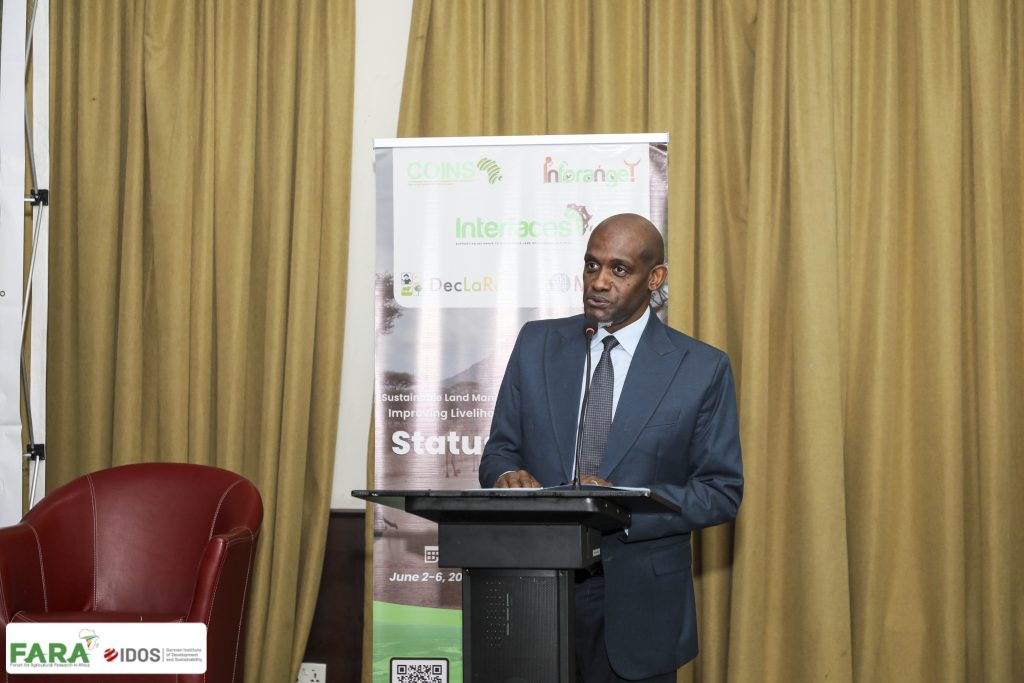
For his part, the Executive Director of FARA, Dr Aggrey Agumya, highlighted the significant progress made by the INTERFACES project in promoting sustainable land management and addressing critical issues related to land degradation, soil health and inclusivity.
Dr Agumya explained that the project, financed by the German Federal Ministry for Research, Technology and Space, aims to connect individual projects focusing on specific aspects of sustainable land management.
He stressed the importance of bringing issues of soil health, land degradation and erosion to the attention of policymakers and the general public.
Executive Director of FARA, Dr Aggrey Agumya
Highlighting Ghana-specific initiatives, Dr Agumya said, “The project is mainly based in Ghana’s Northern Region, focusing on outreach, knowledge management and capacity development.”
“The project addresses issues of soil fertility management, inclusivity and land tenure, particularly regarding women’s access to land. It also focuses on youth engagement and gender issues related to land management,” he said.
Dr Agumya added that the project’s engagement with traditional leadership was a novel aspect, particularly in the context of land governance. He said the project also partners with local institutions, universities and traditional authorities, recognising the crucial role traditional leaders play in land management.
The Minister of Environment, Science, Technology and Innovation (MESTI), Dr. Ibrahim Murtala Muhammed, has disclosed that government is engaging development partners and evaluating proposals aimed at reclaiming lands devastated by illegal mining activities, popularly known as ‘galamsey’.
Speaking at the INTERFACES Status Seminar held in Accra, Dr. Muhammed emphasised that reclaiming degraded lands is not a one-off event but a long-term process that requires scientific input, stakeholder collaboration, and sustained investment.
“We are engaging partners to come up with means by which we can reclaim those lands. It needs scientific work and substantial investment. Even if you reclaim the land and do not do it well, they cannot use it for farming because the topsoil—which contains the nutrients—would have been destroyed,” he stated ,referencing farmlands used for illegal mining.
He revealed that several proposals had been received and were currently under evaluation.
Sustainable land management
Dr. Muhammed called for a shift towards sustainable land management and climate-smart agriculture, warning that land degradation has severe economic implications.
Alternative funding sources
He linked the rise in Ghana’s import bill for rice and poultry—from US$500 million in 2016 to over US$3 billion by 2025—to poor agricultural productivity due in part to degraded lands.
“When we spend billions importing what we can produce, it affects the economy, job creation, and livelihoods,” he noted.
He highlighted the role of research in reversing land degradation and promoting responsible agricultural practices. To that end, he announced the launch of Ghana’s first Science and Technology Forum, to be held bi-annually, bringing together academia, research institutions, and the private sector to translate research findings into actionable solutions across sectors including agriculture.
The Minister also applauded the Forum for Agricultural Research in Africa (FARA), based in Ghana, for its leadership in agricultural innovation, capacity building, and knowledge management across the continent.
Commitment
He reiterated government’s commitment to creating an enabling policy environment for the mainstreaming of research-based solutions and building local capacity through partnerships that prioritise knowledge transfer over mere financial aid.
Status Seminar
The Status Seminar 2025, funded by the German Institute of Development and Sustainability (IDOS), FARA and the Centre for Development Research (ZEF) at the University of Bonn, convened over 120 experts from across Africa and Europe to exchange knowledge on inclusive and climate-resilient land management in Sub-Saharan Africa.
Organised under the INTERFACES project, the event highlighted FARA’s role in advancing sustainable land use through capacity building, knowledge management and policy engagement.
It featured key outcomes from projects such as COINS, DecLaRe, Minodu, and InfoRange, showcasing how locally adapted solutions—driven by collaboration among researchers, communities, and policymakers—are helping address critical challenges like soil degradation, gender inequality, and food insecurity.
Gender disparities in land governance
Delivering an address on behalf of the Vice President Professor Naana Jane Opoku-Agyemang, Dr. Miriam Iddrisu highlighted the urgency of addressing gender disparities in land governance across Sub-Saharan Africa.
She stressed that sustainable land management and climate resilience are unattainable if women remain excluded from foundational systems such as land governance.
She said while women constitute nearly half of the agricultural workforce, their access to land, credit, and decision-making remains severely constrained.
“This gender gap is not only unfair, it is inefficient and detrimental to economic and environmental sustainability,” she emphasised.
Alternative funding sources
Legal and cultural barriers, she noted, continue to prevent women from owning or inheriting land, with their voices largely absent in land-related policymaking.
As such, called for deeper collaboration among traditional authorities, researchers, civil society, and policymakers to advance inclusive reforms, while reiterating the government’s commitment to ensuring that every woman has the opportunity to thrive in agriculture, with land as a platform for empowerment, productivity and resilience.
Strategic partnerships and FARA’s role
For his part, Executive Director of FARA, Dr. Aggrey Agumya, reiterated the importance of strategic partnerships in turning agricultural research into real-world impact.
“We stand at a crossroads. Our agricultural systems, particularly those led by smallholder farmers, are facing serious threats—from degraded soils and low productivity to climate-related shocks and weak institutional support. Strategic collaboration is no longer optional; it is essential,” he noted, underscoring the power of collaboration in addressing degraded soils, climate change, and food insecurity.
He highlighted FARA’s leadership role in the INTERFACES initiative—driving knowledge management, science communication, and capacity strengthening across Sub-Saharan Africa.
Dr. Agumya also celebrated the achievements of INTERFACES Knowledge Management Fellows and reaffirmed FARA’s commitment to building resilient agricultural systems through inclusive innovation, institutional support and youth engagement.
He also expressed gratitude to the Government of Ghana for its sustained support to FARA, including hosting its Secretariat within the CSIR enclave and the recent commitment to provide a dedicated office space to enhance FARA’s operations.
The University of Environment and Sustainable Development (UESD), Somanya, Eastern Region, Ghana, in collaboration with Hochschule Bonn-Rhein-Sieg University of Applied Sciences (H-BRS), Germany, and the Forum for Agricultural Research in Africa (FARA), has officially launched an E-Certificate Programme in Sustainable Land Management.
The ceremony took place at the University’s Auditorium, Multipurpose Building, and was jointly officiated by the Vice-Chancellor of UESD, Prof. Eric Nyarko-Sampson, and Prof. Wiltrud Terlau, Head of the International Centre for Sustainable Development at H-BRS. The event drew members of faculty, management, and senior staff, including the Registrar, Mrs. Mary Abena Agyepong.
The E-Certificate Programme is the outcome of a strategic partnership between the two universities, aimed at delivering short, specialised courses at UESD. The courses, which will run for six weeks to three months, include modules such as Land Information Management Systems and Evolution of Traditional Governance Structures, Climate-Smart Land Management, Gender and Land Rights and Sustainable Land Use Planning. The programme is open to students, alumni, and practitioners in the field.
In his remarks, the Pro-Vice-Chancellor and UESD Coordinator of the INTERFACES Project, Prof. Edward Wiafe Debrah, outlined the roadmap that guided the development of the curriculum. He acknowledged the contributions of Dr. Peter Asare-Nuamah and other collaborators from H-BRS and partner institutions across Africa and Europe. He further noted that the programme will be hosted on UESD’s Learning Management System, making it accessible to policy practitioners, students, and professionals in land governance across the region and beyond.
Prof. Eric Nyarko-Sampson (Vice-Chancellor, UESD)
The Vice-Chancellor, Prof. Nyarko-Sampson, commended the team for successfully launching the programme, describing it as a major step in UESD’s mission to lead in sustainability-focused education and innovation. He expressed optimism that the programme will attract a high calibre of applicants interested in advancing sustainable land management practices.
Prof. Wiltrud Terlau, Head of the International Centre for Sustainable Development at H-BRS
Prof. Wiltrud Terlau also expressed her delight at the collaboration, stating that the initiative exemplifies the importance of transdisciplinary knowledge co-creation and capacity building in sustainable land use and governance, particularly across sub-Saharan Africa. H-BRS actively partners with Universities around the world, especially in Africa, to promote capacity building and sustainable development through education and research. It works on sustainability, transdisciplinary research, and international cooperation, such as the collaboration with UESD).
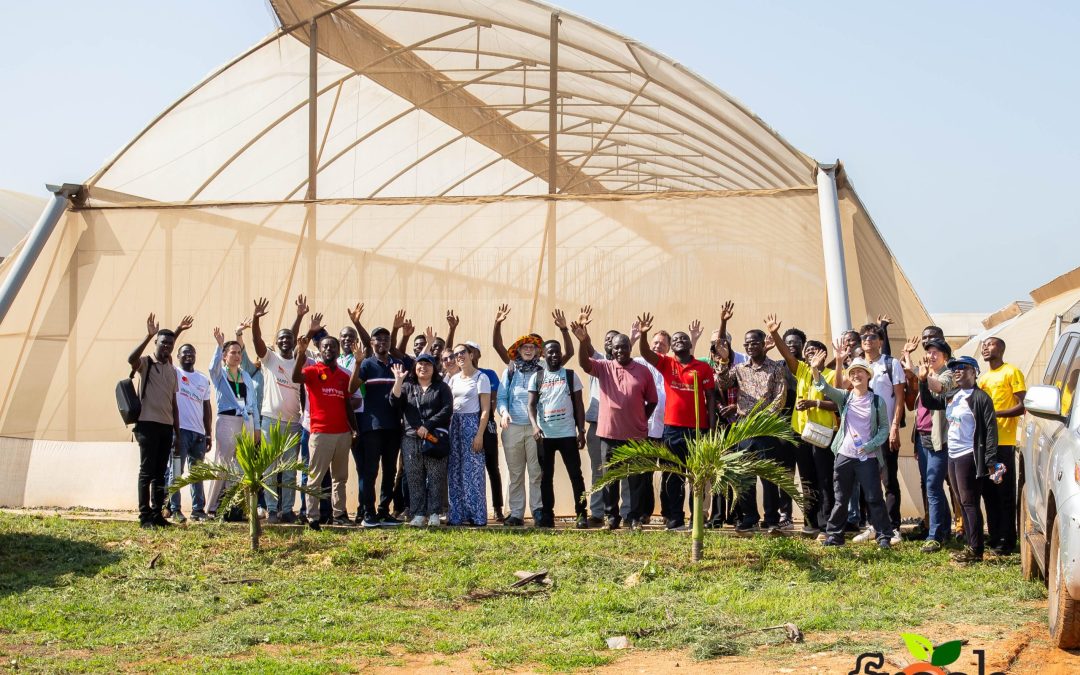
Fresh Logistics Limited (FLL) on Friday, June 6, hosted a high-level delegation from the Forum for Agricultural Research in Africa (FARA) and partners of the INTERFACES Project at its greenhouse cluster farm in Dawhenya in Accra.
The 70-member delegation included researchers from across Africa—Ghana, Benin, Burkina Faso, Togo, Senegal, Kenya, and Namibia—as well as Germany. Also present were traditional leaders and officials from various public institutions. The visit formed part of the Status Seminar on Sustainable Land Management in Sub-Saharan Africa, held from June 2–6 under the theme “Improving Livelihoods through Local Research Initiatives within the Strategy of the Platform Research for Sustainability (FONA).”
The purpose of the field visit was to gain firsthand insight into FLL’s innovative greenhouse production systems, particularly its model for youth-led vegetable farming and agribusiness.
The delegation was warmly welcomed by Mr. Boamah Okyere, Managing Director of Fresh Logistics, alongside Mr. Larry Selorm Amekuse, Chief Agribusiness Architect at Agri-Impact Limited, and other senior staff.
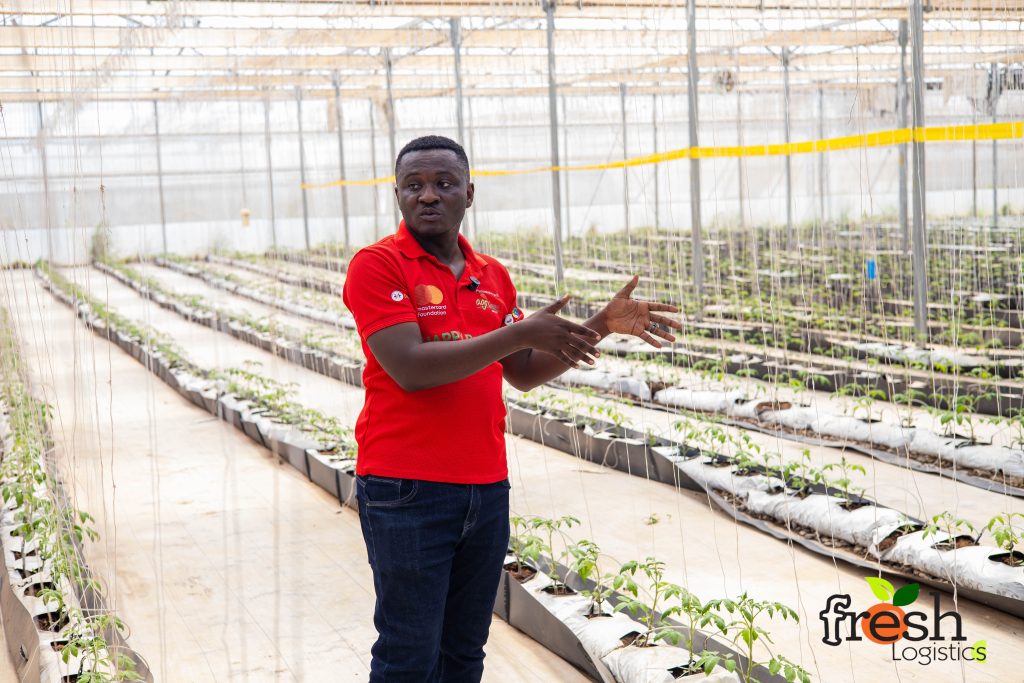
Mr. Boamah led the visitors on an extensive tour of the greenhouse facility, explaining core operational processes including nursery management, irrigation and fertigation systems, integrated pest control, harvesting, and market distribution strategies. He emphasized Fresh Logistics’ commitment to sustainable vegetable production, modern technology adoption, and youth-driven entrepreneurship.
“It was a pleasure to share our work with the FARA delegation,” Mr. Boamah said. “This visit offered a great platform for knowledge exchange and potential collaboration. Our model is centered on sustainable production, gender inclusion, and empowering youth to drive Africa’s agricultural future.”
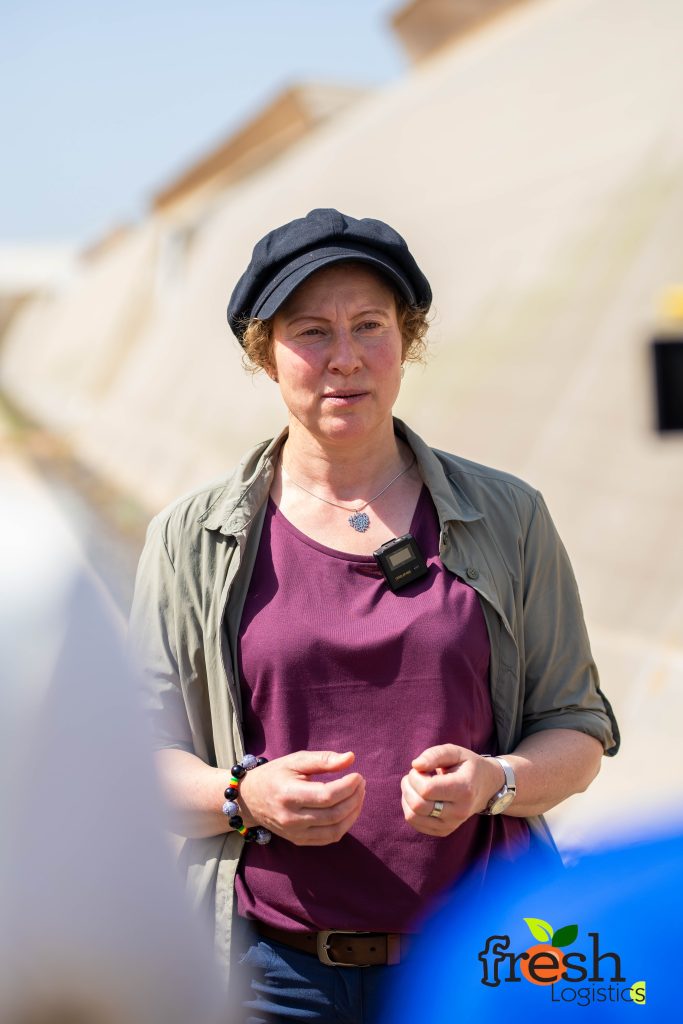
Dr. Tina Beuchelt, a senior scientist at the Centre for Development Research, University of Bonn, lauded Fresh Logistics for its professionalism, gender-sensitive practices, and innovative greenhouse model.
“We were particularly impressed by the active involvement of youth and the visible leadership roles held by women,” Dr. Beuchelt noted. “This is a powerful demonstration of inclusive, sustainable agriculture in action.”
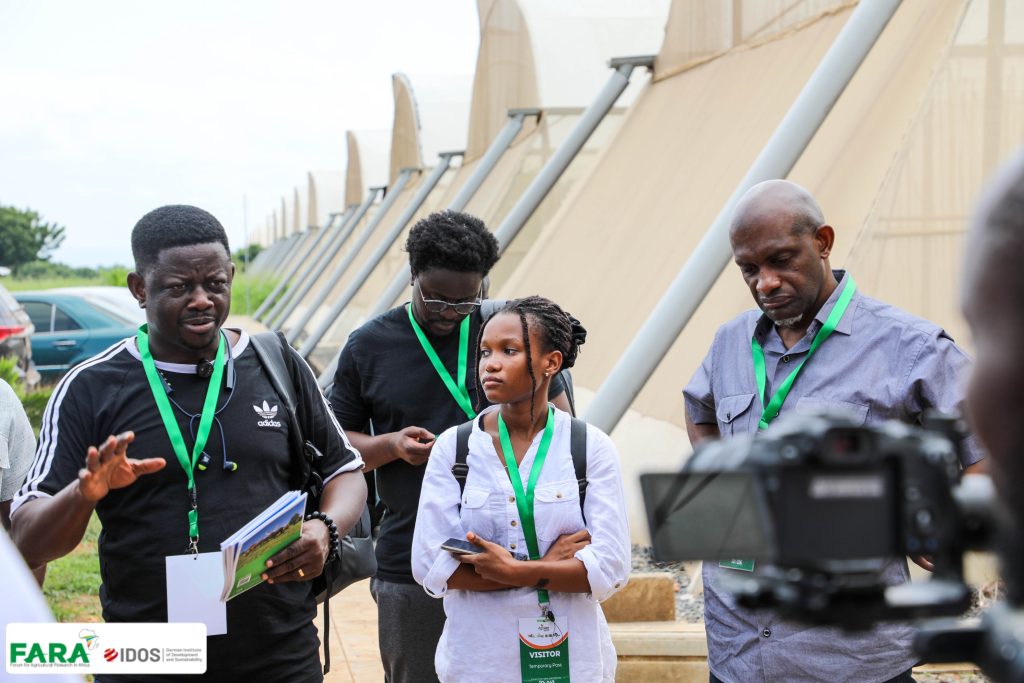
Benjamin Abugri, Knowledge Management and Outreach Officer at FARA, described the field visit as a fitting and inspirational close to the week-long seminar.
“Fresh Logistics has developed a model that is practical, scalable, and replicable,” Mr. Abugri said. “Its focus on youth, gender equity, and market-oriented approaches offers a blueprint for agricultural transformation across the continent.”
The team also toured the Ghana Irrigation Development Authority (GIDA) site at Dawhenya as part of the day’s activities.
The Fresh Logistics team also expressed appreciation for the visit and reaffirmed its readiness to collaborate with FARA and other partners to strengthen innovation, resilience, and food systems across Africa.
About Fresh Logistics Limited (FLL)
Fresh Logistics Limited is a Ghana-based agro-company focused on the production, marketing, and distribution of high-quality fresh vegetables. Operating under strict quality control protocols in greenhouse environments, FLL supplies produce year-round to a wide buyer network including ShopRite, Eden Tree, Farmers Markets, Vegetable Direct, JOFOEL, and other retailers across major market centers.
A subsidiary of Agri-Impact Group, Fresh Logistics sources vegetables from Agri-Impact-managed farms and registered farmer networks, with a business model anchored in food safety, quality assurance, and adherence to good agricultural practices.
CEO of the African Union Development Agency (AUDA–NEPAD), Nardos Bekele-Thomas, has called for bold actions to make Africa a global agricultural leader.
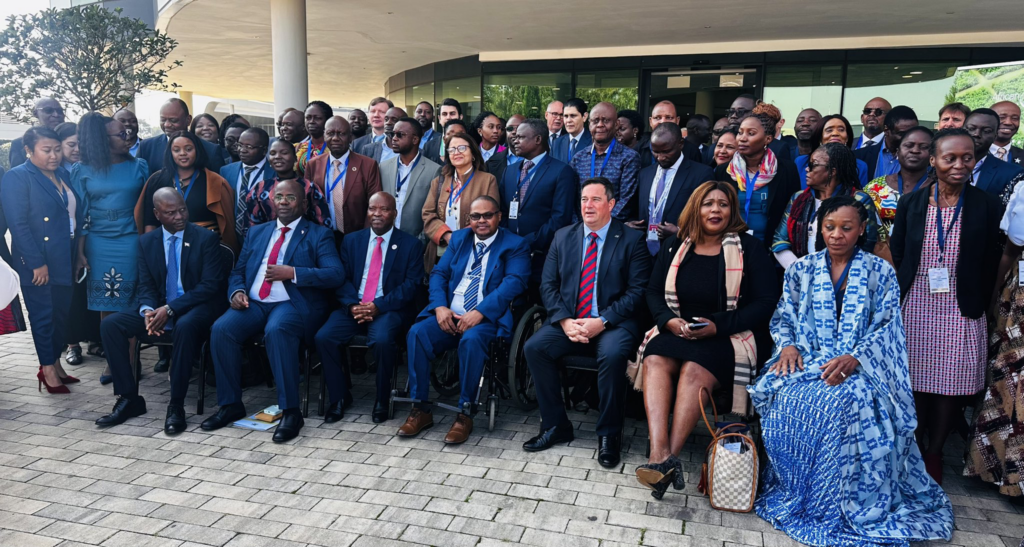
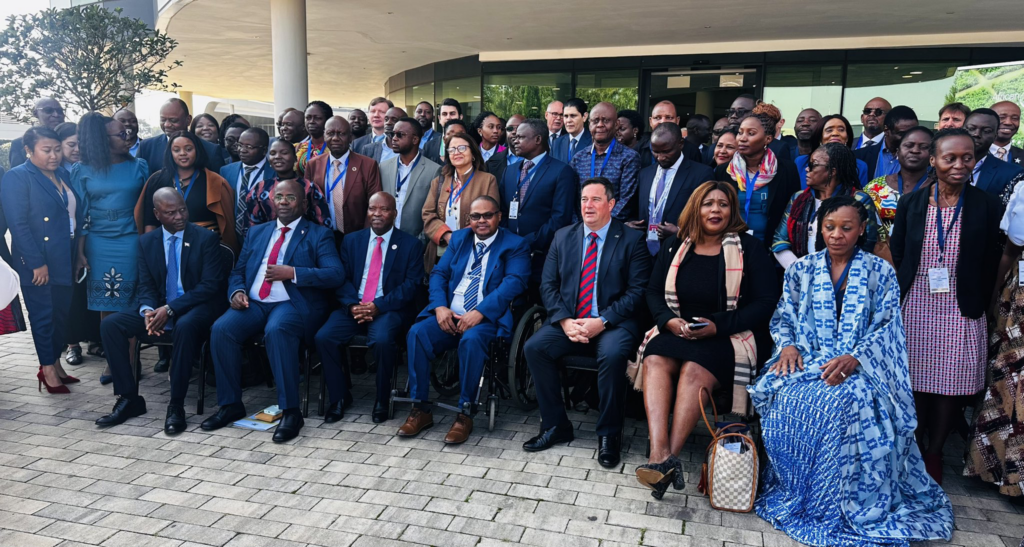
Speaking at the official launch of the new Comprehensive Africa Agriculture Development Programme (CAADP) Strategy and Action Plan (2026–2035) and the Kampala Declaration in Johannesburg – South Africa, she said “our continent’s future lies in united action – from seed to table, and from farm gate to global markets.”
“With 60% of the world’s uncultivated arable land, our vibrant youth, and rich biodiversity, Africa stands ready to become a global agri-food leader. But potential alone isn’t enough – we need determined collaboration, innovation and investment,” she added.
Ms Bekele-Thomas said African governments are committed to implementing the African Continental Free Trade Area (AfCFTA) and other strategies to help boost the continent’s agricultural transformation efforts.
“We will accelerate the full implementation of the AfCFTA to boost intra-African trade, sustain the Programme for Infrastructural Development in Africa (PIDA) and its catalytic investments, and fast-track the post-Malabo Biennial Reviews that sharpen our policy compass,” she announced.
“We have witnessed youth-led agritech innovations flourish and regional value chains take off under our collective stewardship,” she observed.
African heads of state and governments in January this year held the Extraordinary Summit on the Post Malabo CAADP in Kampala, Uganda.
The summit adopted the CAADP Strategy and Action Plan (2026–2035) to guide the transformation of the agricultural sector over the next 10 years, along with the accompanying consensus document known as the Kampala Declaration 2025.
Over the past 20 years, CAADP has been the cornerstone framework driving agricultural transformation across Africa.
Launched in 2003 following the Maputo Declaration and reaffirmed in 2014 with the Malabo Declaration, CAADP has contributed to increasing agricultural GDP, higher average incomes, enhanced agricultural output, expanded agricultural trade, greater investments, and a reduction in hunger and poverty.
The Malabo Declaration expired at the end of 2024 after 10 years, and the Kampala Declaration has succeeded it.
The newly adopted strategy emphasises a food systems approach to address Africa’s complex agricultural needs, focusing on agro-processing, post-production, and resilience against climate shocks.
It prioritises inclusivity with a special focus on empowering women, youth, and marginalised groups to access resources and opportunities.
“Through the Kampala Declaration, heads of states have set a clear course to build resilient, inclusive and climate-smart food through systems guided by six strategic objectives that span production, processing, markets governance, nutrition, and financing,” Ms Bekele-Thomas said at the launch on Monday.
“Today’s launch is neither an endpoint nor a ceremony. It is the ignition of a decade of acceleration,” she said.
“We will unleash the power of our youth and women builders, not beneficiaries, through the $100m micro, small and medium enterprises (MSME) initiative and the skills initiative for Africa, ensuring they gain land, finance and market linkages to drive rural entrepreneurship,” she said.
Representatives from key stakeholder groups called for commitment, action and long-term partnerships to ensure the strategy produces tangible benefits for Africans. Minister of Agriculture for the Republic of South Africa, John Steenhuisen, emphasized intra-African trade, transformative programming for smallholder farmers, knowledge creation and sharing, data-driven planning, and digital technology adoption as cornerstones for agricultural progress.
Executive director of the Forum for Agricultural Research in Africa (FARA) Dr. Aggrey Agumya highlighted the significance of science, innovation, education, and capacity development in facilitating implementation of the strategy. He said FARA is ready to support implementation of the Kampala Declaration with these appropriate tools to ensure success.
President of the Eastern Africa Farmers Federation Ms. Elizabeth Nsimadala said the African Union Commission had done well by involving farmers throughout the development of the Kampala Declaration and reaffirmed their commitment to its execution. She urged a supportive policy environment, enhanced investment flows, stronger extension systems, and deeper farmer engagement at the national level.
“We don’t wish to be summoned to eat when the food is already ready,” she said. “We request all partners to be truthful, commit to transparency, and concentrate on what is achievable,” she added.