The Forum for Agricultural Research in Africa (FARA) and ISRIC – World Soil Information are collaborating to strengthen Africa’s agricultural transformation by addressing a critical but often overlooked factor: soil health and information management. Both institutions are key partners under the African Union-European Union (AU-EU) Partnership for Food and Nutrition Security and Sustainable Agriculture (FNSSA) and have been at the forefront of initiatives to drive agricultural innovation across the continent.
One such initiative is the Soils for Africa (S4A) Initiative, which has been pivotal in shaping Africa’s agricultural landscape. The S4A initiative has developed a continental, harmonised baseline of soil information crucial for decision support. It responds to the longstanding fragmentation of soil data in Africa, providing policymakers, fertiliser manufacturers, extension service providers, smallholder farmers, and the private sector with reliable, actionable soil data to inform better decisions for sustainable agricultural practices.
Building on this momentum, FARA and ISRIC are conducting a first-level Training of Trainers (ToT) workshop for selected African ICT and Knowledge Management (KM) experts. This important step aims to strengthen national and regional capacities to use and host the African Soils Information database developed under the Soils for Africa initiative, now being advanced through the Soils Initiative for Africa (SIA) championed by the African Union Commission (AUC). The AUC has designated FARA as the Technical Support Organisation for the African Soil Information System and the Soils Initiative for Africa.
The Accra Training: Building the First Cohort of Soil Information Ambassadors
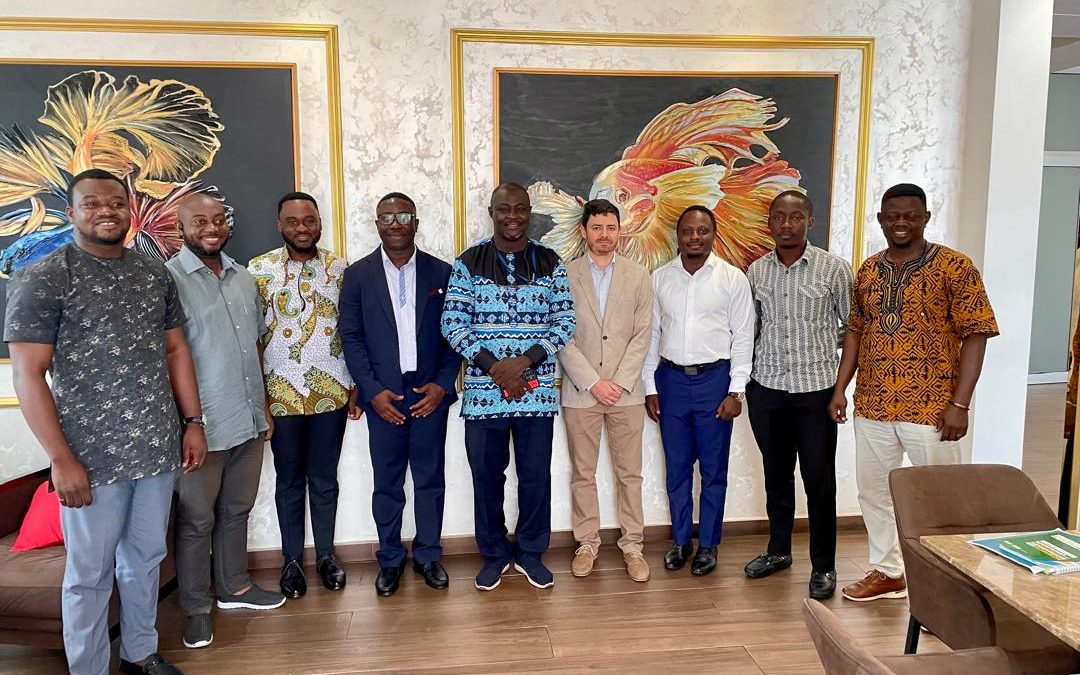
The first cohort training is taking place in Accra, Ghana, from April 23 to 26, 2025. Participants selected are undergoing intensive capacity development on the technical and operational aspects of soil information systems, positioning them as the first ambassadors in scaling the African Soil Information System across the continent.
A strong call to action marked the opening ceremony on April 23. Delivering remarks on behalf of the Executive Director of FARA, Dr Aggrey Agumya, the Acting Director for Research and Innovation, Prof Oluwole Fatunbi, welcomed participants and highlighted the critical importance of the initiative:
He noted that the gathering represented a pool of experts tasked with addressing the current fragmentation of soils data across Africa, a gap ISRIC is technically supporting to bridge.
He underscored the strategic importance of soil information to key stakeholders – from fertilizer companies to extension workers and policymakers – emphasizing that managing Africa’s soils better is fundamental to agricultural transformation.
Trainees were encouraged to take the opportunity seriously, likening them to the “first apostles” of the Soil Information System rollout.
He also pointed to future plans to scale this effort under the African Union Soil Observatory (AUSO) Project, funded by the European Commission, expected to commence later in the year.
Finally, he warmly welcomed all participants to Accra, with a special mention to the technical trainers from ISRIC.
In her remarks, Mary Steverink-Mosugu, Projects Coordinator from ISRIC, expressed appreciation to FARA for the strong collaboration and reiterated ISRIC’s commitment to supporting Africa’s drive for better soil management through technical excellence and shared expertise.
A Deep Dive into Soil Information Systems: Program Highlights
Facilitated by Luis Calisto and Eric Asamoah, both experts from the ISRIC – World Soil Information, the four-day training program was designed to provide a comprehensive and practical immersion into soil information systems and related technologies:
Main Workshop Facilitator Luis Calisto, ISRIC
Day 1: Participants received an overview of the Soils for Africa project and the upcoming AUSO project. Key sessions covered soil data collection principles, FAIR data (Findable, Accessible, Interoperable, and Reusable) practices, and methodologies for organising and serving soil data.
Day 2: The training featured a guided tour of the Soil Information System (SIS), hands-on exploration of SIS interfaces, and a technical breakdown of SIS architecture and its integration components.
Day 3: Participants delved deeper into advanced SIS architecture topics, including Git repositories, continuous integration/continuous delivery (CICD) pipelines, and assessment of FARA’s human and infrastructure capacity readiness for hosting and expanding the system.
Day 4: The final day focused on evaluating training outcomes, assessing FARA’s policy and infrastructure landscape for soil information system deployment, and defining next steps for broader rollout and sustainability.
The workshop concluded with a call for continuous collaboration and knowledge sharing as Africa sets the foundation for a robust, accessible, open and user-driven soil information system critical for achieving sustainable food systems on the continent.
By: Benjamin Abugri, Shaquille Penanneach & Daniel Kweitsu
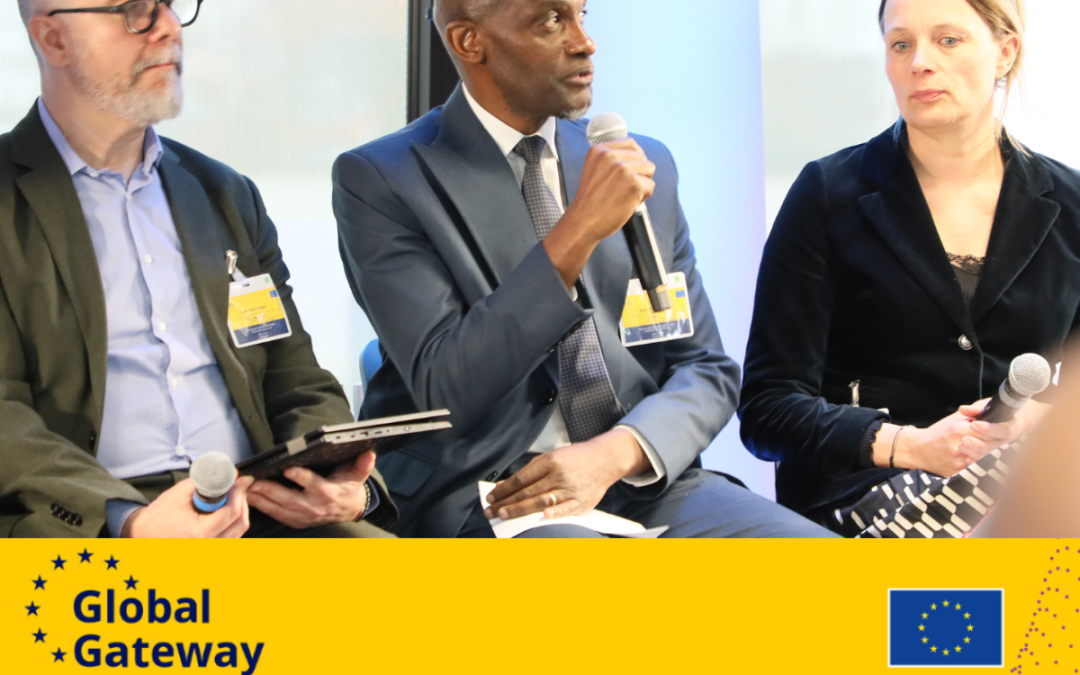
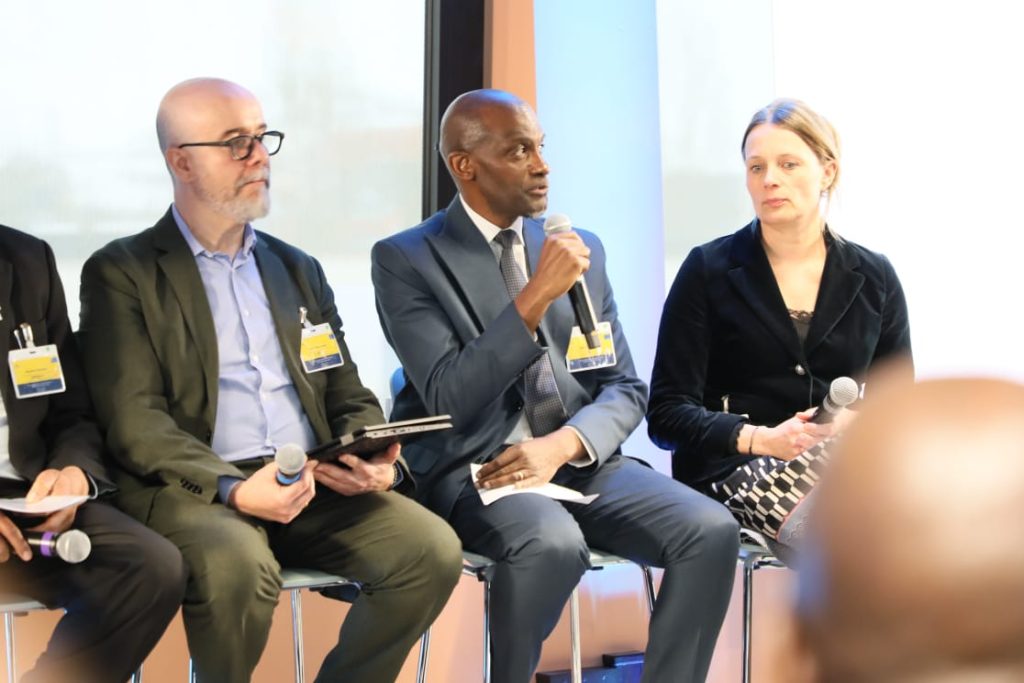
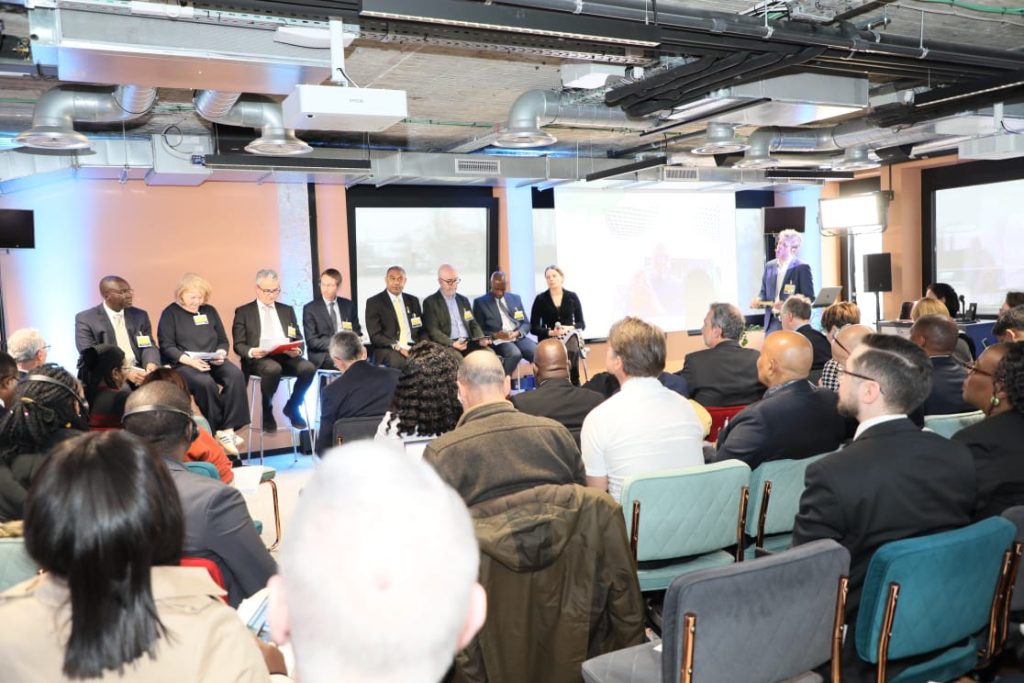
Brussels, March 11, 2025 – The Executive Director of the Forum for Agricultural Research in Africa (FARA), Dr Aggrey Agumya, took center stage at the ongoing European Union (EU) Conference, “Boosting Agrifood Research and Innovation Cooperation for Impact at Scale”. His participation in a high-level plenary panel underscored the critical role of EU-Africa partnerships in driving impactful research and innovation in Food, Nutrition, and Sustainable Agricultural Systems (FNSSA).
Addressing the session titled “What is the EU R&I Cooperation Landscape: Policies, Partnerships and Instruments?”, Dr. Agumya emphasized the necessity of a mutually beneficial Africa-Europe partnership. As the continental apex organization for R&I in FNSSA and the technical arm of the African Union Commission (AUC) and the African Union Development Agency (AUDA), FARA is at the heart of Africa’s agricultural research and innovation ecosystem.
In his intervention, Dr. Agumya provided insights into the institutional structure of agricultural research and innovation in Africa, highlighting its multi-tiered framework. At the national level, the National Agricultural Research Systems (NARS) play a crucial role, complemented by Sub-Regional Organizations (SROs) such as ASARECA, CCARDESA, CORAF, and NAASRO. At the continental level, FARA and the African Forum for Agricultural Advisory Services (AFAAS) provide leadership and coordination.
Dr Aggrey Agumya addressing the session
Speaking on priorities for R&I in FNSSA, Dr. Agumya stressed the importance of enhancing the impact of research investments by embedding them within broader development goals, market systems, and knowledge-sharing initiatives. He also called for scaling up innovations, particularly in investments, capacities, and processes, to ensure that impactful agricultural research outputs reach their full potential.
Reflecting on best practices, he cited successful examples where research has been effectively integrated into development programs. Notable among them are the Technologies for African Agricultural Transformation (TAAT), the Desira Initiative, and the Platform for African-European Partnership on Agricultural Research for Development (PAEPARD). The Comprehensive Africa Agriculture Programme (CAADPXP4) was also highlighted as a crucial initiative fostering a strong R&I ecosystem.
Dr. Agumya further underscored the significance of science-policy engagement in advancing Africa’s agricultural agenda. He referenced key initiatives such as the Soils Initiative for Africa, the Comprehensive Africa Agriculture Development Programme (CAADP) – Kampala Declaration, and the African Food Systems Initiative, stressing that while commitments have been made, implementation has been lacking. He noted that over 93% of AU decisions from 2021 to 2023 remain unimplemented, calling for greater accountability and execution.
Looking ahead, he urged stakeholders to bridge the gap between aspiration and action, noting that no African country is currently on track to meet CAADP targets. He identified improved planning, execution, and investment in R&I as critical steps toward achieving these goals. Additionally, he emphasized the need to move beyond traditional Africa-Europe collaborations, advocating for triangular partnerships with Latin America, the Caribbean, and the Asia-Pacific region through a Global NARS Consortium.
Dr. Bernard Mallet delivering the keynote address
The session was set in motion by a keynote address from Dr. Bernard Mallet, a senior scientist specializing in tropical forestry and international agricultural research. His extensive experience in leading EU-AU partnerships on food security and sustainability provided a strong foundation for the discussions.
Joining Dr. Agumya on the distinguished panel were key representatives from European and African institutions, including:
Mahaman Bachir Saley, Officer-in-Charge, Science, Technology, and Innovation Division, African Union ESTI Department
Nienke Buisman, Head of Unit, International Cooperation (Asia, Pacific, Africa, Middle East), Directorate-General for Research and Innovation, European Commission
Luis Viva-Alegre, Team Leader, Research and Innovation Unit, Directorate-General for Agriculture and Rural Development, European Commission
Peter Werheim, Head of Unit, Food Systems and Bioeconomy, Directorate-General for Research and Innovation, European Commission
Agnieszka Skuratowicz, Head of Unit, Youth, Education, Research, and Culture, Directorate-General for International Partnership, European Commission
Mathieu Le Grix, Head of Division, Agriculture, Rural Development, and Biodiversity, Agence Française de Développement (AFD)
This engaging panel discussion contributed to ongoing policy and investment conversations aimed at enhancing agrifood R&I cooperation between Africa and Europe. The insights shared are expected to inform future collaborations and drive impactful agricultural innovations at scale.